
Here’s a detailed look at the Mahindra SUVs to Get Big Updates Soon – 5 New Models Confirmed, what to expect, the strategy behind them, and how this moves Mahindra’s SUV game forward. If you want, I can also give you a quick “which one to watch” summary at the end.

Overview of What’s Happening
Mahindra, one of India’s biggest SUV makers, is gearing up for a major refresh of its SUV lineup. Over the next 12-24 months, we’re going to see both updates (facelifts, feature upgrades) of existing popular SUVs and entirely new or electric versions.
The goal: stay competitive, respond to changing customer preferences (more features, more EVs, more tech), tighten safety and design, and strengthen its presence in both ICE (internal combustion engine) and EV segments. Some of this is driven by upcoming regulations / trends (e.g., more electrification, stricter emissions / fuel economy, customer demand for connected / premium interiors) and some by competitive pressure from Tata, Hyundai-Kia, and others.
Below are the 5 SUVs (new launches or updates) from Mahindra that are expected soon, what changes are likely, how they compare with what’s currently on offer, and what to watch out for.
The 5 Mahindra SUVs / Updates Coming Soon
According to recent reports, these are the big five in the pipeline:
| # | Model / Update | What to Expect | Approximate Timing | Why It Matters / Key Upgrades |
|---|---|---|---|---|
| 1 | 3-Door Thar Facelift | Exterior refresh (new bumpers, lights, alloy wheels), better interior, more features. Possibly design cues taken from the 5-door “Thar Roxx”, etc. | Late 2025 / possibly very soon (some test mules already spotted) | Thar is a flagship off-road lifestyle SUV for Mahindra.
Refresh helps keep the buzz, maintain off-road credibility, and improve comfort/features so it appeals to a slightly broader buyer (who want rugged + some refinement). |
| 2 | XUV700 Facelift | Updates to bumpers, lighting, maybe wheels; interior style improvements; possibly a triple-screen dashboard; refined materials, etc. | Expected early 2026 | XUV700 has been doing well; to sustain sales and counter competition, especially in the premium/midsize SUV segment, it needs to stay fresh.
Also, expectations of more tech, more comfort, and perhaps improved safety or ADAS. |
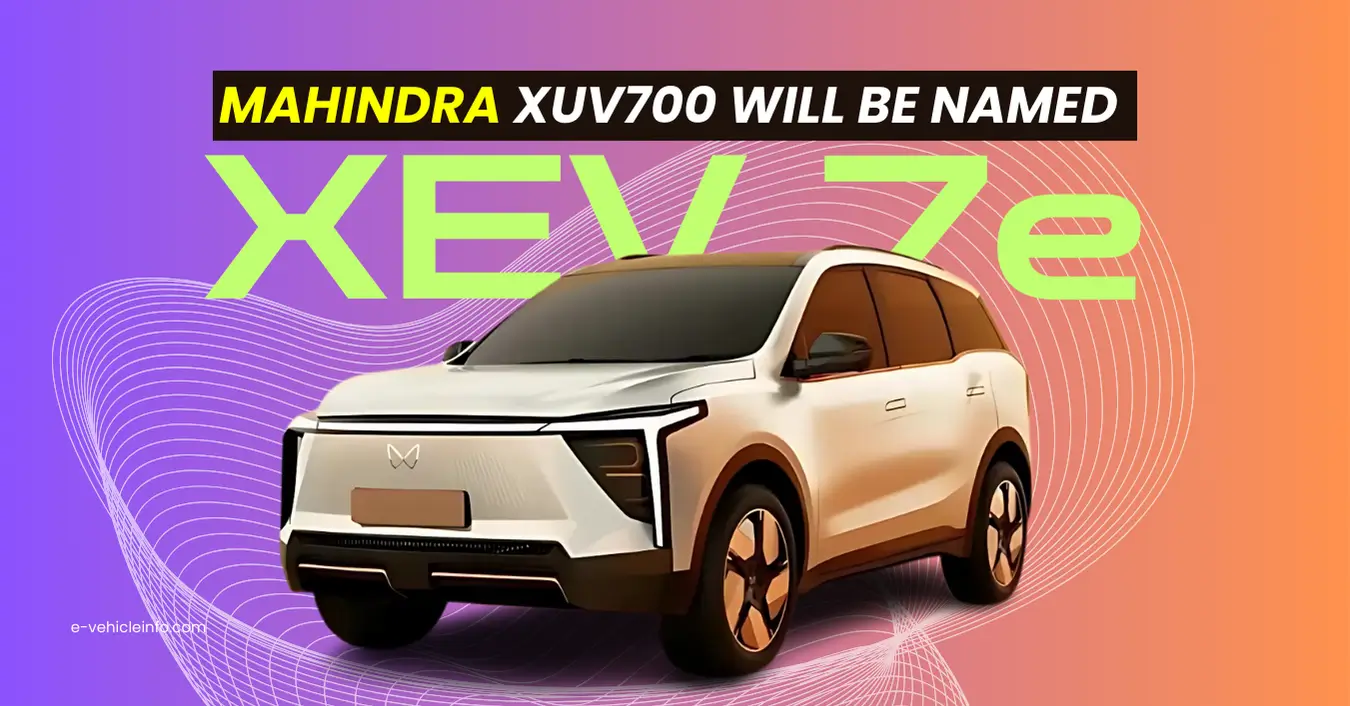
| 3 | Mahindra XEV 7e (Electric XUV700) | Essentially an EV variant of the XUV700; looks similar but with EV-specific design (closed grille, etc.), probably new EV platform, fast charging capabilities, decent battery size. | Possibly end of 2025 or early 2026 | This is Mahindra’s push into electrification in this key size segment.
The move to offer electric options for popular ICE SUVs is critical for future regulations, for customer demand, and for brand positioning. |
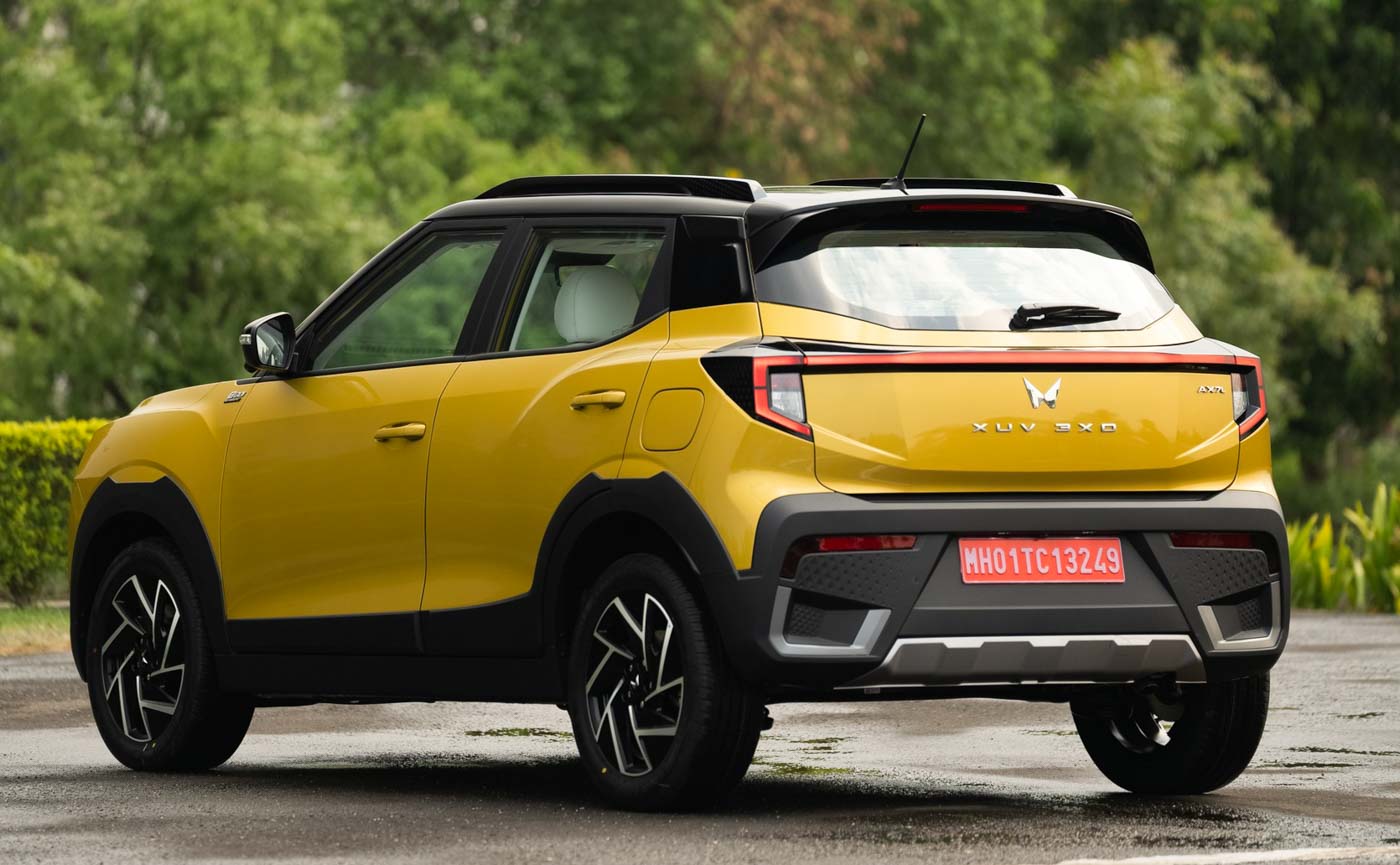
| 4 | Electric XUV 3XO | EV version of the new XUV 3XO, with similar styling but tweaked for EV (battery, perhaps range ~ 450 km, etc.), EV-specific features. | Likely around a similar time frame, maybe late 2025 or early 2026. | Broadening the reach of EVs into the more affordable/mid-segment.
XUV 3XO is already positioned as a value-for-feature offering; having an EV version will help Mahindra reach buyers who want lower running costs / green credentials, especially as EV infrastructure improves. |
| 5 | Next-Gen Bolero / Bolero Neo | Undertaking a platform refresh, stronger chassis/frame, updated styling, and possibly more comfort/refinement.
Some test cars have been spotted. Might also include better features, better safety, maybe better NVH (noise/vibration/harshness), etc. |
Might be closer; some sources say “showed a strong frame in August 2025,” which suggests it’s near. | Bolero (and Bolero Neo) has been popular in semi-urban / rural / fleet segments; updating it helps retain relevance, ensure reliability, reduce operating costs, and maybe even extend appeals to those wanting more comfort without premium pricing. |
Broader Strategic Moves
These upcoming launches/updates are not just isolated model refreshes — they fit into Mahindra’s larger strategy. A few things to note:
- Electrification & Platform Flexibility
Mahindra is developing platforms that support both ICE and EV variants; this helps reduce development cost, improve time-to-market, and adapt to regulatory pressures. For instance, the NU_IQ platform, shown in recent concept reveals, is designed to support versatile power-train options. - More Premium Interiors, More Tech, Safety & ADAS
To compete with rivals, features matter more than ever. Buyers in India (and globally) expect connectedness (large infotainment screens, digital instrument cluster), driver aids, comfort features (better seats, materials, sunroof, ambient lighting), and safety. The facelifted XUV700, the EVs, the new Bolero, etc., are all expected to carry more of these. - Range Expansion & Filling Gaps
Mahindra is filling multiple gaps: small/midsize EV SUVs, off-road rugged SUVs (Thar), mid-luxury options (XUV700), value-for-money rugged utility (Bolero), etc. By offering both ICE and EV versions of popular models, they can address a wider set of customers. - Responding to Regulations & Trends
India is pushing electrification, stricter emissions norms, and higher safety norms. Also, customers are more conscious of the total cost of ownership (fuel / EV running cost), comfort, and tech. Mahindra has to stay ahead in anticipating these so that their SUVs don’t lose shelf life quickly. - Design Refresh & Brand Image
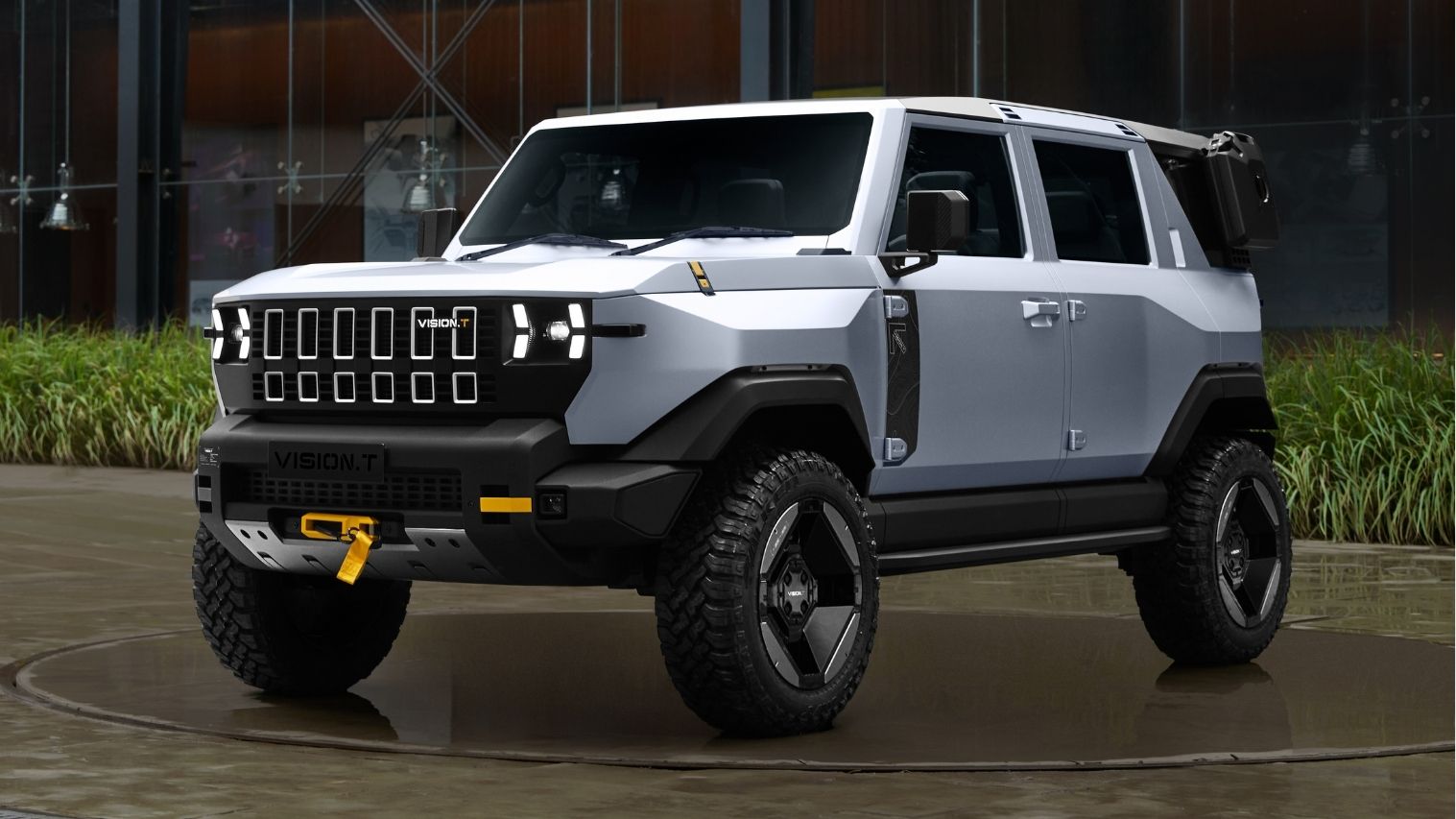
With competitors updating aggressively, brand image (how ‘fresh’ your car looks), design, and visible features (LED lighting, alloy wheels, interior trim) become key differentiators. Even for rugged vehicles, buyers want that mix of tough + sophisticated.
Potential Challenges & What to Keep an Eye On
While the strategy looks strong, there are hurdles/risk areas:
- Cost of EVs & Infrastructure: As EV versions of popular SUVs arrive, the sticker prices tend to be higher. Charging infrastructure must improve to support adoption, especially outside major cities. If buyers don’t get adequate charging support, EVs will remain niche.
- Balancing Ruggedness with Comfort: Vehicles like the Thar and Bolero have rugged DNA. Moving them more towards comfort (better interiors, more features) might alienate purists if not done carefully. Conversely, staying too rugged and feeling outdated can limit mainstream appeal.
- Supply Chain / Battery Costs: For EVs, battery sourcing, raw materials, etc., are volatile. Cost pressures, regulation, and tariffs may impact pricing.
- Competition Intensifies: Rivals (both Indian and international brands) are also launching EVs, facelifts, and new designs. Mahindra must ensure that its updates are more than just cosmetic – they must deliver real value: better range, better features, safety, etc.
- Regulatory & Policy Risk: Changes in subsidies, import duties, EV incentives, and emission norms can change business cases rapidly. Mahindra will need to stay agile.

What Buyers Can Expect (Features / Pricing / Spec Gains)
Here are some likely improvements for the updated/new SUVs, based on leaks and industry expectations:
- Improved LED lighting (matrix or projector LEDs), new lighting signatures.
- More modern front/rear bumpers, grille redesigns (especially for EVs, closed front grilles, etc.).
- Better alloy wheels, possibly larger sizes / new designs.
- Interior enhancements: larger touchscreen(s), digital instrument cluster(s), better seats (leather or better fabric), more comfort features: ambient lighting, possibly ventilated seats, sunroof / panoramic roof, better sound systems.
- More safety/driver assistance features: ADAS (lane keeping assist,blind-spot monitoring, adaptive cruise control, etc.), better airbag counts, stiffer body structures, improved crash safety, etc.
- For EVs: improved battery capacity or utilization, faster charging (DC fast chargers support), better claimed range (maybe ~400-500+ km WLTP / MIDC depending on segment), more charging options.
On pricing: expect facelifts to come with modest price increases vs incumbents (due to added features). EV versions will likely have a larger premium, but state/central subsidies/incentives could help in many cases. Bolero / Thar mid variants may see smaller % increases if Mahindra can optimize costs.
Timeline & What’s Already Known
- Thar Facelift has been spotted/test mules seen. Some sources suggest late 2025.
- XUV700 Facelift likely early 2026.
- XEV 7e (Electric XUV700) probable by late 2025 / early 2026.
- EV XUV 3XO somewhere in the same timeframe.
- Next-Gen Bolero development already in progress; test cars seen; might sooner than some think.
What This Means for Different Types of Buyers
- SUV Enthusiasts / Off-Road Fans: The Thar refresh and its variants remain very relevant. More features, better comfort without losing off-road capability will be a plus. If you prefer 3-door ruggedness, the facelift will be interesting.
- Middle / Upper-Midsize SUV Buyers: XUV700 facelift + electric version offer a good chance to pick a more modern, tech-rich, premium experience. If you were holding off waiting for more features or better interiors, these updates might make you act.
- EV Seekers: EV versions of popular SUVs like XUV700, 3XO, plus Mahindra’s new EV platform efforts, are promising. The real value will depend on charging infrastructure, actual range vs claimed, and pricing.
- Budget / Value Buyers: Bolero, Bolero Neo, more affordable trims of these SUVs will see some benefit via trickle-down of new features. Mahindra is likely to make sure competitive pricing is a part of its strategy, especially in semi-urban / rural markets.
Examples & Comparisons
It helps to compare with what rivals are doing to see how competitive Mahindra’s moves will be:
- Rivals like Tata, Hyundai, and Kia are also introducing EVs, facelifts, and tech upgrades aggressively. For example, Tata is pushing EV versions of some of its SUVs, and others are raising safety / ADAS expectations.
- In some markets, features like three-screen dashboards, ambient lighting, and driver aids are moving from luxury to mainstream. Mahindra will need to make sure its facelifts deliver “enough” so that the updates are more than cosmetic.
Conclusion
The bottom line: Mahindra is poised for a phase of significant SUV refreshes + electrification. The 5 main launches (Thar facelift, XUV700 facelift, EV variants of XUV700 and 3XO, next-gen Bolero) represent a comprehensive attack on retaining its leadership in SUVs amidst changing customer expectations.
It’s a balancing act – staying true to what made these SUVs popular (ruggedness, space, capability) while adding what’s now expected (tech, comfort, safety, EV). If done well, Mahindra could strengthen its position; if not, it risks losing out to rivals who are also moving aggressively.