

Royal Enfield To Enter EV & Hybrid Market is gearing up for one of the most consequential product pivots in its modern history: the debut of an all-new electric sub-brand—Flying Flea—followed by mainstream e-motorcycles, and in parallel, development of a smaller-displacement model with hybrid tech.
The transition won’t erase the company’s retro charm; instead, it’s being used as design fuel for an urban-friendly EV range and a highly efficient, learner-friendly hybrid play aimed at new riders and new markets. Here’s a clear, sourced look at what’s coming, when, and why it matters.
The Timeline: Electric First, Then Hybrid
Royal Enfield has publicly narrowed its first electric launch window to the fourth quarter of FY26—that’s January through March 2026. Multiple briefings and earnings-call updates in mid-2025 reiterated that the first two production EVs, the FF-C6 and the S6 under the Flying Flea banner, are targeted for that period.
Hybrid is tracking on a slightly different path: industry reporting through spring 2025 indicates Enfield is exploring a 250cc class model using technology sourced with assistance from CFMoto. While the company hasn’t issued an official launch date, coverage positions this as the brand’s first substantive step into hybrid territory—plausibly overlapping the 2025–2026 window as development firms up.
Meet “Flying Flea”: the EV Sub-Brand
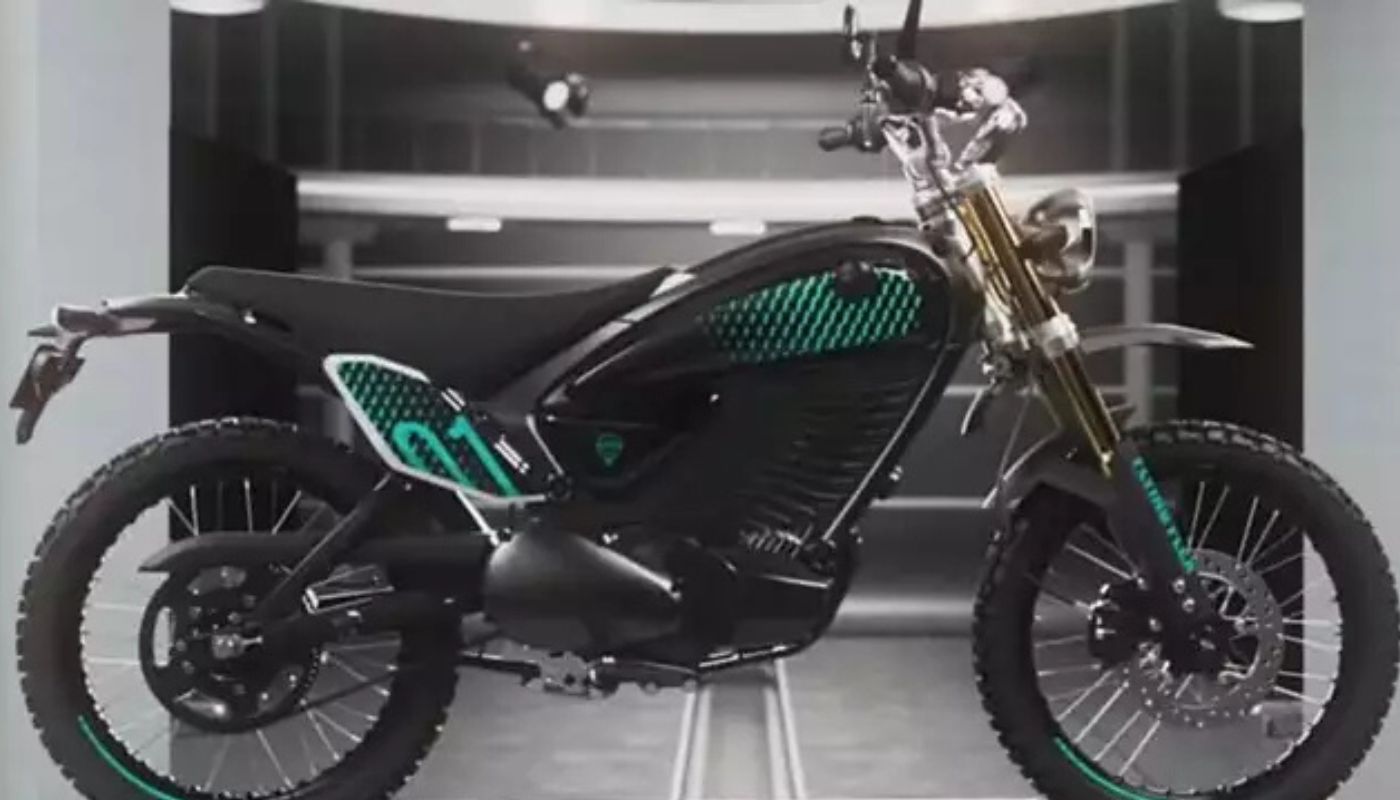
The production pair starts with the C6 (roadster/cruiser vibe) and the S6 (scrambler stance), both previewed in late 2024 and framed as compact, approachable “City-Plus” machines for daily use with some weekend fun.
Platform & Manufacturing
Under the skin sits an all-new “L” platform (internally tied to the Electrik01 program), designed to spin off multiple body styles—L1A, L1B, L1C—rather than a one-and-done EV. Early reporting also pointed to a careful focus on mass (to keep kerb weight usable) and friendly performance rather than outright numbers. Manufacturing plans point to production in Tamil Nadu, leveraging Royal Enfield’s EV-readied facility at Vallam Vadagal when the bikes move from pilot to line build.
What’s Likely in the Electric Spec Sheet (and what isn’t—yet)
Royal Enfield has kept hard specs close. The brand’s public posture stresses right-sized performance, urban range, and fast-charging on a fixed-battery architecture (as opposed to swapping), balancing cost, simplicity, and reliability for mass-market adoption.
Expect connected features, including turn-by-turn navigation and health diagnostics via the instrument cluster and companion app, but don’t expect a spec-war with premium performance EVs. The priority is to feel like an Enfield first—easy stance, relaxed ergonomics, torquey delivery—just without petrol. The hybrid project: why a 250 makes sense
On the hybrid side, the sweet spot appears to be a quarter-liter platform. Reports suggest Royal Enfield is evaluating a 250cc powerplant, with CFMoto’s assistance, that can meet India’s BS6 Phase-2 and future CAFE norms—and crucially, support mild-hybrid functions (idle stop-start, low-speed e-assist, and energy recuperation).
That keeps weight, complexity, and cost in check while delivering big, real-world gains in city efficiency—some outlets peg potential fuel economy above 50 km/l, though final claims will depend on system calibration and test cycles. Think of this as a pragmatic bridge tech that lowers running costs and emissions without demanding a charging habit from buyers outside EV-dense cities.
Why 2025–2026?
Two forces are converging. First, the EV cost curve for batteries, power electronics, and lightweight castings continues to improve, which is vital to hit Royal Enfield’s value-led price points. Second, India’s regulatory and incentive landscape is nudging manufacturers toward cleaner tech while urban buyers grow more receptive to EVs and hybrids for daily use.
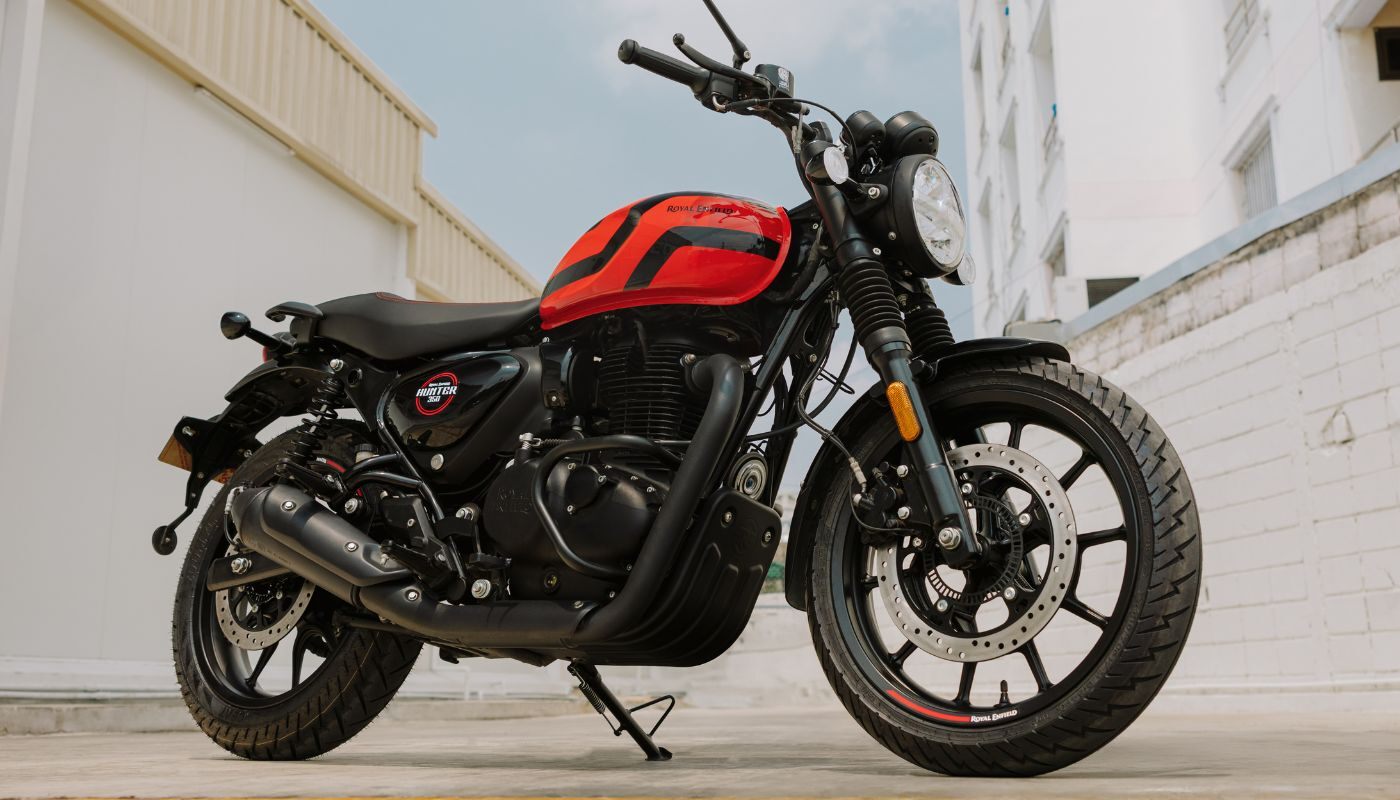
Royal Enfield has publicly said it wants competitive pricing and a distinct EV identity—hence the separate Flying Flea brand and the emphasis on fast charging over swapping. That sober, mass-market strategy takes time to get right, which is why FY26 is the realistic line in the sand for the first electric models.
What Riders Can Expect on Day One?
For city commuters: Expect friendly seat heights, predictable throttle mapping, comfortable ergonomics, and fuss-free charging at home or work for the EVs; and if you’re hybrid-curious, look for the usual Enfield ride feel with dramatically lower fuel stops and cleaner starts in traffic.
For style-first riders: The design language stays unmistakably Enfield—classic silhouettes and paintwork—now layered over modern hardware like a magnesium battery case, forged aluminum components, and a digital-native cockpit.
For the long term, Dealer and service networks are the quiet superpower here. A mainstream EV/hybrid strategy only works if maintenance, software updates, and parts are handled with the same reach and consistency as petrol models. Enfield’s scale—especially in India—means these bikes should feel “owned” and supported from day one.
Open Questions (and Sensible Expectations)
- Performance & range: No official numbers yet. Given the “City-Plus” brief, expect practical urban range and usable performance rather than chasing superbike figures.
- Price: Nothing confirmed. The company’s repeated emphasis on affordability suggests aggressive positioning relative to imported or premium EVs.
- Hybrid tech depth: “Mild-hybrid” features are the most likely first step. Full parallel-hybrid setups are complex and heavy for motorcycles; efficiency per rupee and ease of service will guide the final spec.
Summary
Between the Flying Flea C6/S6 electric duo targeted for early 2026 and a parallel effort to bring hybrid efficiency to a new 250cc class, Royal Enfield is threading a careful needle: modern propulsion with classic soul, mass-market pricing with credible tech, and big-brand serviceability with fresh, rider-friendly features.
If the company executes on its FY26 EV timeline and lands a sensible, city-strong hybrid offering, 2025–2026 could mark the beginning of Royal Enfield’s second electric century—one that’s quieter, cleaner, and broader in reach, but still unmistakably Enfield.