
Here’s a summary of what’s known so far about Amazon testing GM BrightDrop electric vans, with context, what’s working, what’s uncertain, and what it could mean. If you like, I can also pull up technical specs or compare costs vs other EVs.
What’s Going On
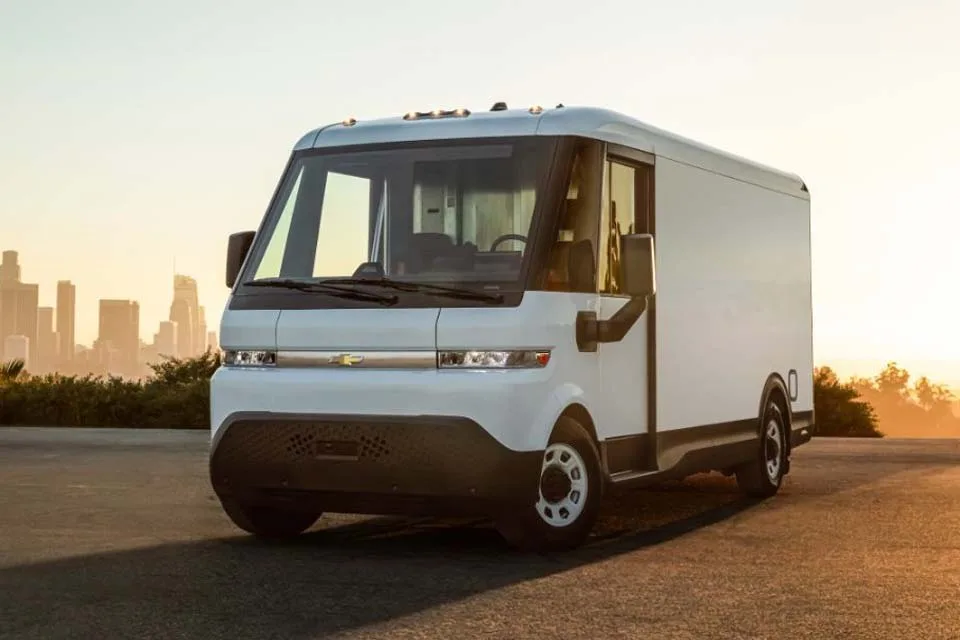
- Amazon has begun testing a small fleet of BrightDrop electric delivery vans made by General Motors. The number is around 12 vehicles.
- These vans are being trialled alongside Amazon’s existing EV delivery fleet, which includes vehicles from Rivian, Ford, Mercedes-Benz, and Stellantis.
- The BrightDrop vehicles were sold to Amazon in 2023 (model-year 2024). Amazon says that testing different options is part of its larger strategy.
Why this matters — Amazon’s Goals & Motivations
- One big driver is Amazon’s EV / climate goals: by 2030, it aims to have at least 100,000 electric delivery vehicles on the road.
- Amazon also has a broader target of net-zero carbon emissions across its global operations by 2040.
- Testing multiple suppliers (not just Rivian) gives Amazon more flexibility — in procurement, operations, pricing, and service networks. It mitigates risk in case any one supplier has problems (supply, cost, reliability).
What We Know About BrightDrop / GM’s Situation
- BrightDrop started as its own fleet-EV unit under GM (from 2021), but has seen some challenges: slow sales, production pauses, and inventory buildup.
- GM rebranded BrightDrop vans under the Chevrolet umbrella to leverage Chevy’s dealership & service networks.
- In early/mid-2025, BrightDrop sold ~1,600 vans in the first half of the year.
- The CAMI plant in Ontario (Canada) is the production facility for these vans. Production had been temporarily halted (or slowed) due to the weak demand, but there are plans to resume.
What’s uncertain/open Questions
- Amazon hasn’t published details about how the BrightDrop vans are performing in the test (range, reliability, costs, maintenance burdens, payload vs operational cost).
- It’s not yet clear whether this is a stepping-stone to a large purchase or just a trial to see if BrightDrop can match/exceed what Rivian and others are offering.
- How the cost per mile or per delivery compares (electricity, charging infrastructure, downtime, repair, etc.) vs existing vans or vs other EV makes.
- Whether scaling up will be smooth, given BrightDrop’s recent production challenges and GM’s other financial/logistical pressures.
Possible Implications
- If BrightDrop vans perform well, Amazon could start placing bigger orders, giving GM a boost in its electric-van business. That would help with economies of scale, better pricing, and stronger service/parts support.
- For GM, this is a chance to reclaim momentum: proving reliability, building trust, reducing idle inventory, and showing that the rebranding under Chevrolet and integration with Chevy’s services was a wise move.
- For Amazon, it means diversifying its EV sources. Rivian is a major partner (and large shareholder), but having alternatives helps, especially in case of supply constraints or performance trade-offs.
What this tells us about the EV delivery market
- Demand for electric delivery vehicles is real, but it’s not always easy for manufacturers to scale quickly or profitably. There are challenges around battery cost, infrastructure, service networks, maintenance, and matching operational needs (range, payload, duty cycles).
- Pilot programs still matter: companies like Amazon are very focused on total cost of ownership, not just sticker price or range. Reliability, charging, downtime, maintenance — all critical.
- The competition among EV makers in the “fleet/delivery van” segment is heating up. Early lead (as with Rivian) helps, but only if they can keep delivering.