
Chinese EV Manufacturer BYD is stepping up its European push with the announcement of a Budget-Friendly Electric Vehicle (EV) designed specifically for the continent’s cost-conscious and urban mobility market.
This move reflects BYD’s strategy to expand beyond premium segments and capture a broader slice of Europe’s rapidly evolving EV market.
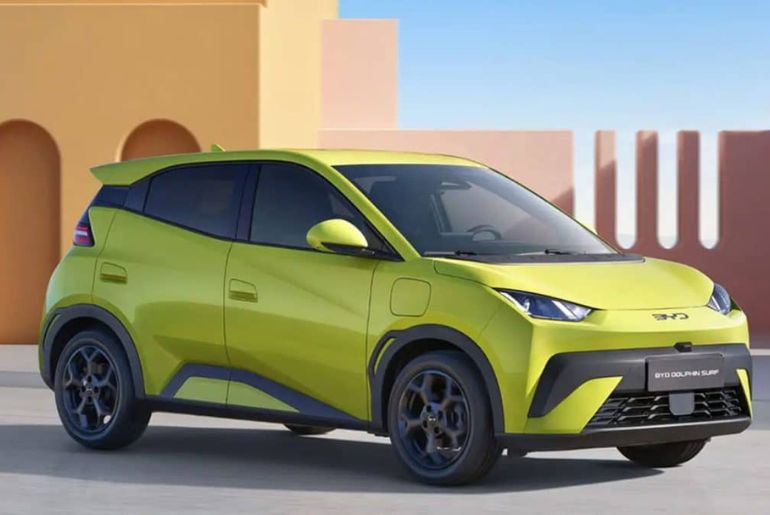
Affordable EV Options For Europe
According to reports, BYD is preparing to introduce a smaller, more affordable electric hatchback in Europe, positioned below its existing models such as the Dolphin and Atto 3. The model is expected to target first-time EV buyers and city commuters by delivering a lower price point and features tailored to urban use.
One of the key motivations is that European consumers are increasingly seeking compact, efficient EVs that deliver good value and city-friendly usability—especially as electric-mobility incentives and regulations push more affordable alternatives.
Why This Matters For Europe
- Cost barrier: One of the main impediments to wider EV adoption remains pricing. BYD’s anticipated entry into the sub-€25,000 segment could reshape the affordability equation.
- Urban suitability: A compact footprint makes the model suitable for European cities, where space is constrained and driving patterns favour shorter ranges and good manoeuvrability.
- Brand momentum: BYD has already made significant inroads in Europe, launching various models and expanding its network of dealers and charging partnerships. The new “budget” EV is a logical next step to broaden its customer base.
What We Know So Far
Although full specifications are yet to be officially confirmed, industry sources suggest the following highlights:
- A smaller size tailored for European markets, likely a hatchback format.
- Competitive pricing that positions it as one of Europe’s most affordable EVs.
- Use of BYD’s battery technology, potentially its Blade Battery (LFP – lithium iron phosphate), offering a cost-effective electric powertrain.
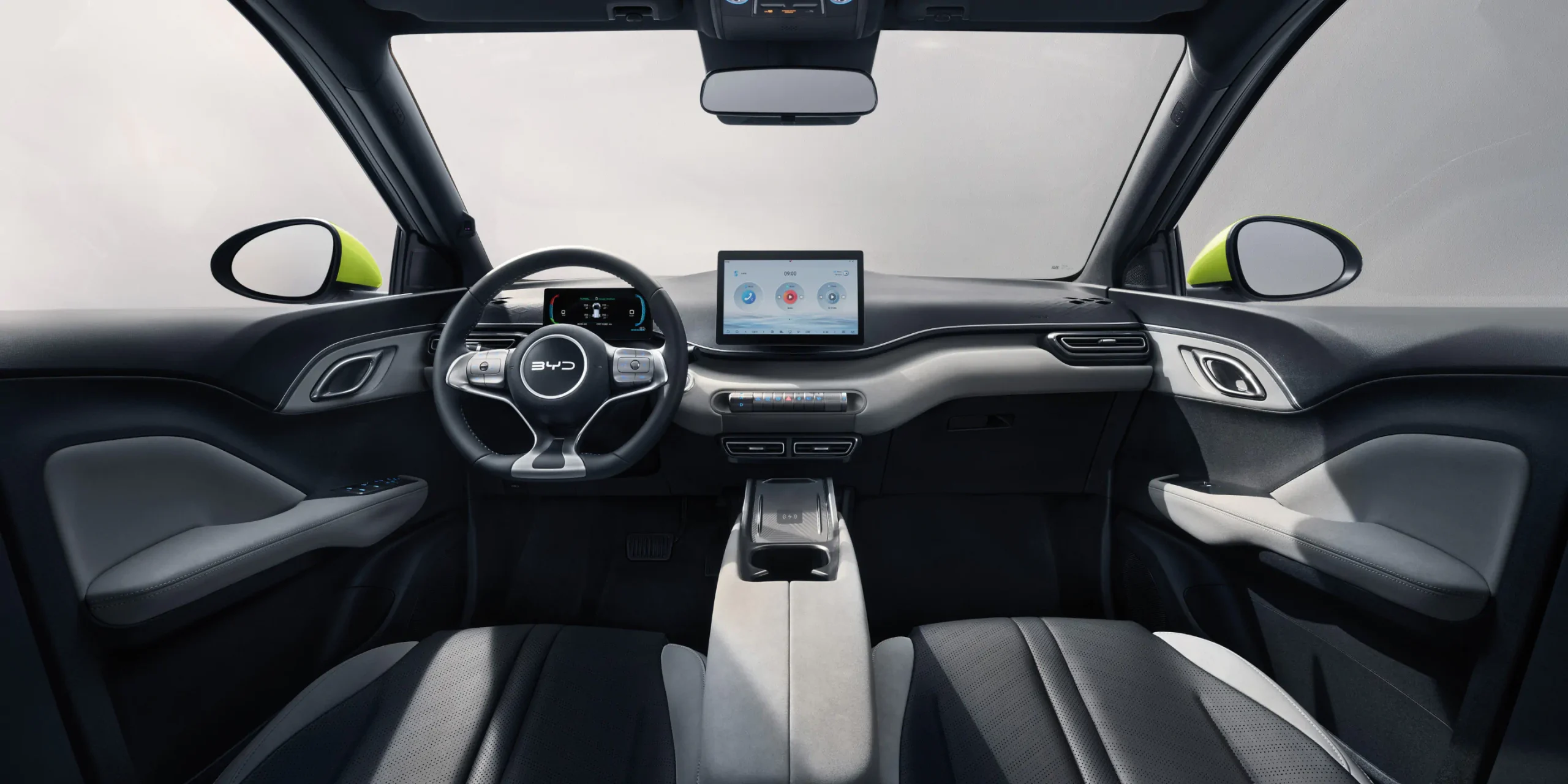
- Focus on daily-use commuting, not necessarily long-haul range—emphasis on practicality over luxury.
Strategic Implications For BYD & the European Market
This model represents a strategic pivot for BYD in Europe. Rather than just competing in premium and mid-segments, it aims to tap the entry-level EV segment, which is growing rapidly but still underserved. The benefits include:
- Broader Market Reach: Attracting city drivers, younger buyers, and those previously priced out of EV ownership.
- Volume Growth: Entry models help scale production and brand presence, feeding into BYD’s global economies of scale.
- Competitive Edge: With many legacy automakers still focused on mid-/premium EVs, BYD may gain an advantage in the “value EV” space.
For Europe more broadly, the arrival of a truly affordable EV from a major brand could accelerate the shift to electric mobility, particularly in urban areas where affordability and practicality matter most.
Challenges To Watch
While the concept is promising, there are a few challenges:
- Regulation & Tariffs: Import tariffs and local manufacturing rules across Europe could affect final pricing and competitiveness.
- Brand Perception: As a relatively newer entrant in many European markets, BYD must continue to build trust around service, reliability, and infrastructure.
- Range & Features Trade-Offs: To hit lower price points, some compromises in range, performance, or premium features may be necessary—which could affect buyer perception.
- Charging infrastructure: While cities are increasingly EV-ready, ensuring convenient charging is still key for success in the entry segment.
What This Means For Indian Buyers & The Global EV Shift
Although aimed at Europe, BYD’s move has global significance: India’s EV ecosystem is evolving, and the idea of a budget-electric car is highly relevant for Indian buyers. Cost-effective EVs with an urban focus could become more common globally.
For Indian customers watching the scene, BYD’s European strategy may signal the brand’s global ambitions and potential for future models tailored to markets like India.
Conclusion
BYD’s introduction of a budget-friendly electric car for Europe marks a significant moment in the EV industry. By targeting affordability, practicality, and urban usability, the company is signalling its readiness to not just compete in the premium EV space—but to make electric mobility accessible to a wider audience. If executed well, this model could reshape the entry-level EV market in Europe and inspire similar strategies globally.
For buyers, this means the possibility of owning an EV without the premium price tag. For competitors, it’s a wake-up call: value-driven EVs are the next battleground.