
Below is an overview of China’s new policy to require export licences for electric cars — what it entails, why it’s being introduced, and its likely consequences.
Policy Details
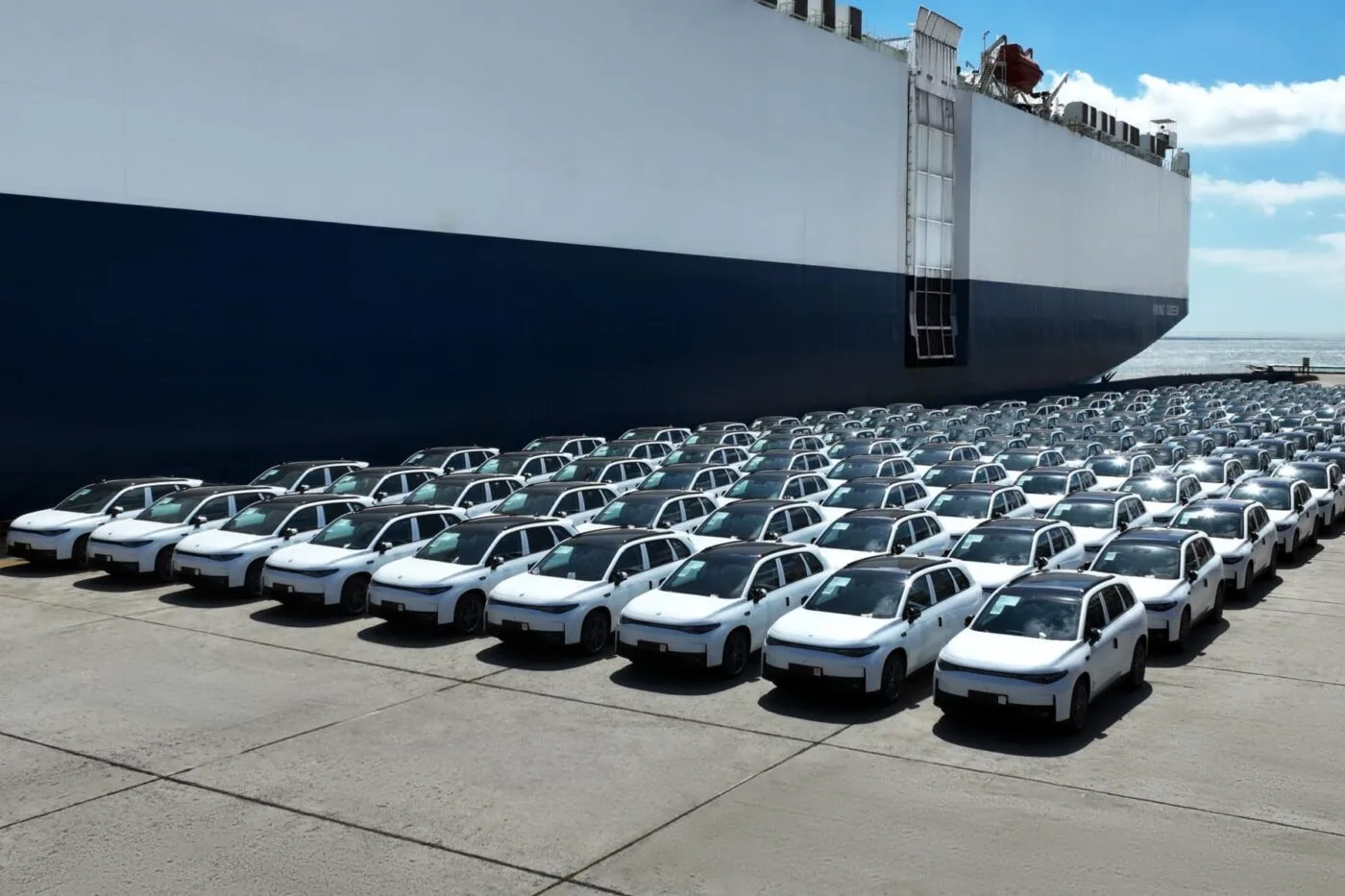
- Beginning 1 January 2026, China will require that pure battery-electric passenger vehicles (BEVs) be exported only under an export licence regime.
- The measure is formally described as “export licence management for passenger cars equipped exclusively with electric motors (pure electric passenger cars).”
- Automakers and their authorized export partners (rather than arbitrary traders) will be eligible to apply.
- The relevant procedural rules will reference existing legal frameworks — notably China’s 2012 “Notice on Further Standardisation of the Export Sequence of Automobile and Motorcycle Products.”
- Customs inspections of exported BEVs will follow the existing import-export goods catalogue and inspection requirements.
- The announced regime currently applies only to pure electric passenger cars. Gasoline vehicles and hybrids already fall under existing licence or export management rules.
Rationale & Objectives
China’s rationale for imposing export licences on BEVs revolves around several concerns:
Brand integrity and after-sales services
Some Chinese EVs exported via unregulated channels lack proper after-sales support abroad. That hurts consumer experience and brand reputation.
Unfair competition and pricing pressure
Uncontrolled exports by traders can lead to price dumping, slashing margins, and triggering disruptive competition in overseas markets. The licences are meant to curb these practices.
Control over export volumes and destinations
With export licences, the state can influence which models go abroad and to which countries — a lever that may have strategic, trade, or diplomatic uses.
Managing oversupply and local market stability
China’s EV sector has been grappling with intense competition, price wars, and overcapacity pressures. Restricting arbitrary exports is a way to exercise discipline over external expansion.
Alignment with other export controls
In recent years, China has already adopted export controls over strategic materials, such as rare earth magnets, to tighten oversight over critical supply chains.
Potential Impacts & Risks
For Chinese automakers and Foreign Manufacturers in China
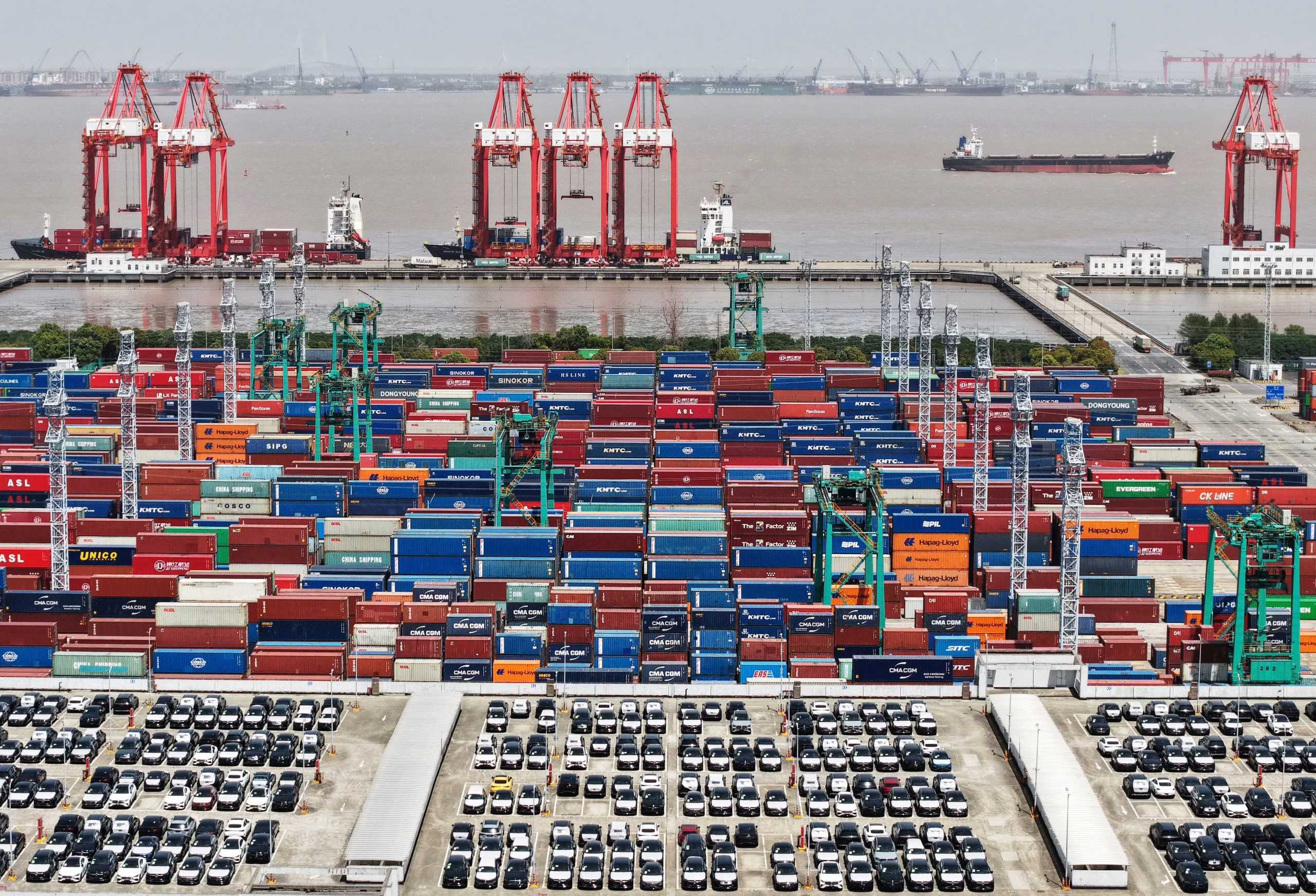
- Automakers will face an added administrative step: securing licences for outward shipments of BEVs. This could slow down logistics or lead to delays in deliveries to markets abroad.
- Foreign firms that manufacture EVs in China (for export) — such as Tesla’s Shanghai production or joint ventures producing for export — will be bound by the same licence restrictions.
- The licensing system could introduce uncertainty or discretion in approvals — particularly if authorities favor certain companies or markets over others.
For Destinations (Importing Countries)
- Export control from China may reduce the availability or flexibility of supply for markets that rely heavily on Chinese EV imports.
- Some importing countries may face delays or disruptions.
- In countries where Chinese EVs are already under tariff investigation or facing anti-subsidy measures, China may use licence allocations as a form of negotiation or leverage.
On Market Dynamics & Global EV Competition
- The new regime could restrain aggressive export growth and price competition from Chinese players, giving more breathing room to competitors in Europe, the Americas, and elsewhere.
- However, if the licence system is efficiently managed, the effect might be limited — especially for major automakers that already have export infrastructure.
- There is also a risk of bottlenecks or politicization: if licence approvals become slow or selective, that could choke exports even for well-qualified firms — echoing previous delays seen in rare earth export controls.
Context & Scale
- China is already a powerhouse in EV production and export. In 2024, nearly 1.65 million electric vehicles were exported — a figure that nearly doubled from prior years.
- In 2024 overall, China exported about 5.5 million vehicles, of which ~40 % were EVs.
- Local governments in China have, in some cases, supported traders that exported new EVs as “used” vehicles to boost local growth metrics—practices the central government now seeks to curb.
Challenges & Open Questions
- Licence processing efficiency: If licensing becomes overly bureaucratic or opaque, it may inhibit exports more than intended.
- Fairness and transparency: Will smaller or newer automakers face discrimination in licence grants compared to large state-backed firms?
- Destination differentiation: Will China grant licences selectively based on diplomatic or trade relations?
- Coordination with customs & inspection agencies: The export licence system must integrate smoothly with existing customs and inspection systems.
- International pushback: Some importing nations might view this as a protectionist or trade-distorting move and raise complaints through the WTO or in trade negotiations.
Summary
China’s decision to require export licences for pure electric passenger vehicles from 2026 marks a strategic tightening of control over its global EV exports.
The policy seeks to protect brand reputation, curb unregulated competition, and manage external expansion more carefully. But its ultimate effect will depend heavily on how the licensing regime is implemented, and whether it is used neutrally or as a tool of market and geopolitical influence.