
The electric vehicle (EV) industry, once riding high on a wave of optimism, now finds itself in a state of uncertainty as recent federal policy shifts spark anxiety among automakers, suppliers, consumers, and investors.
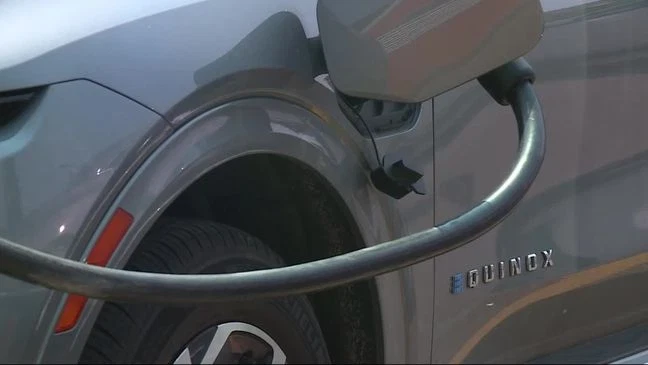
Once a hallmark of clean energy ambition, the EV transition is now encountering new headwinds—many of which stem from changing political priorities, evolving regulatory frameworks, and public confusion about incentives. These developments threaten to dampen momentum in a sector that has been central to climate goals and technological innovation.
Shifting Political Winds
A significant factor behind the anxiety in the EV market is the shifting political landscape. As the 2024 U.S. presidential election approaches, differing policy stances between major parties have heightened uncertainty about the future of federal EV support. While the Biden administration has made electric transportation a central pillar of its climate agenda—via policies like the Inflation Reduction Act (IRA) and generous tax credits—some lawmakers and potential presidential candidates have voiced opposition to these initiatives.
This political divide was made clear in early 2025 when Congress, now with a Republican majority in one chamber, moved to challenge several aspects of the EV subsidy program. Among the concerns raised: the cost of federal tax credits, the dependency on Chinese supply chains for EV batteries, and the impact of rapid EV adoption on the U.S. oil and gas industry. These legislative moves have created an atmosphere of unpredictability, with automakers left unsure about the future regulatory and financial landscape in which they must operate.
Tax Credit Confusion
One of the most immediate sources of concern has been the complex and evolving rules around EV tax credits. Under the IRA, buyers of qualifying electric vehicles can receive up to $7,500 in federal tax credits. However, these incentives come with strict eligibility requirements related to where the vehicle is assembled and where its battery materials originate.
As of 2025, many vehicles have lost eligibility for the full tax credit because their battery supply chains include components or minerals sourced from China, which the U.S. has labeled a “foreign entity of concern.” This has led to a shrinking list of eligible vehicles and growing frustration among consumers who find it difficult to determine which models qualify. As a result, dealers report stalled purchases, with potential buyers opting to wait or reconsider their options altogether.
Automaker Adjustments
Major automakers are not sitting idly in the face of policy uncertainty. Companies like Ford, General Motors, Hyundai, and Tesla have had to revisit their production plans and supply chain strategies in response to the tightening eligibility criteria for tax credits.
Similarly, General Motors has slowed the rollout of some of its upcoming electric models, pending clearer guidance on long-term tax credit availability. These delays signal a broader industry recalibration, as manufacturers weigh the risks of over-investment in a market whose policy foundations are starting to feel unstable.
Consumer Sentiment and Demand Softening
The uncertainty has also trickled down to consumers. After several years of growing enthusiasm for EVs, recent surveys suggest a softening in demand. Concerns about upfront costs, charging infrastructure, and confusing rebate structures have eroded some of the goodwill built by earlier climate-focused campaigns.
Moreover, inflation and interest rate pressures have made it more expensive for middle-income families to purchase big-ticket items like electric vehicles. In the past, the promise of a $7,500 tax credit might have tipped the scale for many buyers. But if that credit is in question—or difficult to claim due to changing requirements—some consumers are opting to stick with traditional internal combustion vehicles, or postpone purchases altogether.
Supply Chain Uncertainty
Complicating matters further are ongoing tensions with China, which supplies a substantial portion of the world’s EV battery materials. The U.S. push to decouple its EV supply chain from Chinese dependencies is laudable from a national security and economic independence standpoint, but it also introduces significant challenges.
Domestic mining of lithium, cobalt, and other critical minerals remains limited and often faces environmental and political opposition. Meanwhile, building new supply chains with partners like Australia, Canada, and South America takes time, time the industry may not have if consumer confidence continues to erode. Without reliable and affordable access to these materials, many manufacturers may find it difficult to qualify for future incentives, making their vehicles less competitive in the marketplace.
The Role of States and Local Governments
Interestingly, while federal support is being called into question, some state governments are stepping in to fill the gap. California, New York, and Washington have reinforced their EV mandates and rebate programs, offering additional subsidies to both consumers and fleet operators. These localized efforts may help stabilize demand in key markets, but they also risk creating a patchwork of incentives that confuses consumers and complicates marketing strategies for automakers operating nationally.
Looking Ahead: What’s Next for the EV Market?
Despite the current uncertainty, long-term fundamentals for EVs remain strong. Automakers have invested billions into electrification, and global trends still point toward a transition away from fossil fuel-powered transportation. However, the next two years will be critical in determining how smoothly and quickly that transition occurs in the U.S.
Policymakers must recognize that abrupt shifts or overly complex regulations can undermine progress. Clear, consistent, and predictable policies will be essential in maintaining momentum and restoring consumer confidence. Equally important is robust communication—ensuring that the public understands what incentives are available, how to claim them, and which vehicles qualify.
Without this stability and clarity, the U.S. risks falling behind in the global EV race—not because of a lack of innovation, but due to policy-induced hesitation. As the federal government continues to redefine its role in the green transition, the EV industry is watching closely, hoping that today’s policy shifts don’t become tomorrow’s roadblocks.