
Here’s a detailed write-up about Honda’s announcement of its first EV launch in India in FY27, based on statements by Kunal Behl, VP, Marketing & Sales at Honda Cars India, and related reporting. If you like, I can also include some analysis of how this fits with competitors, or forecast pricing, etc.
What Honda Has Announced
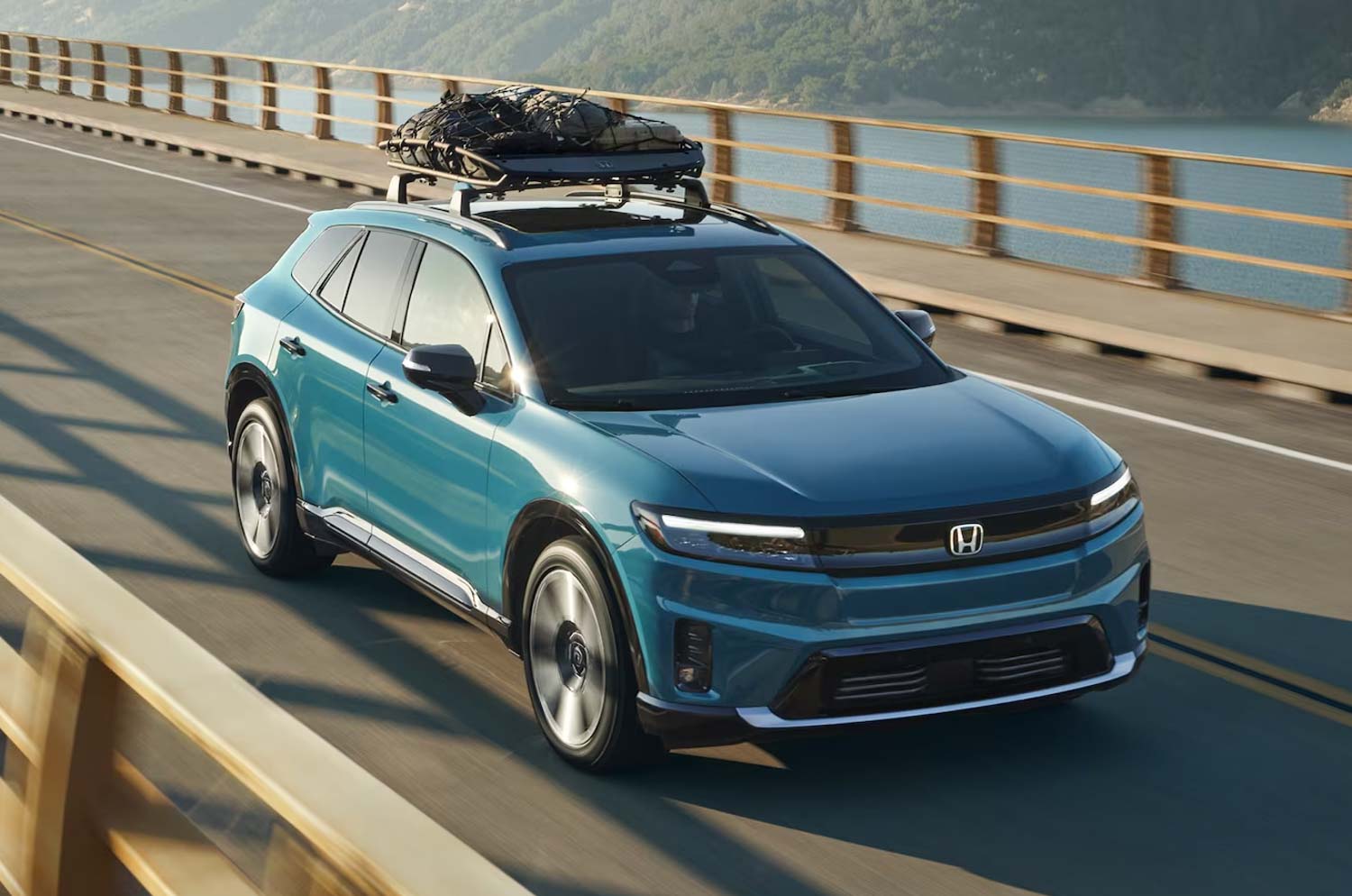
- Kunal Behl, Vice President (Marketing & Sales), Honda Cars India, has publicly confirmed that the company will launch its first electric vehicle (EV) in the Indian market in FY27 (i.e., between April 2026 and March 2027).
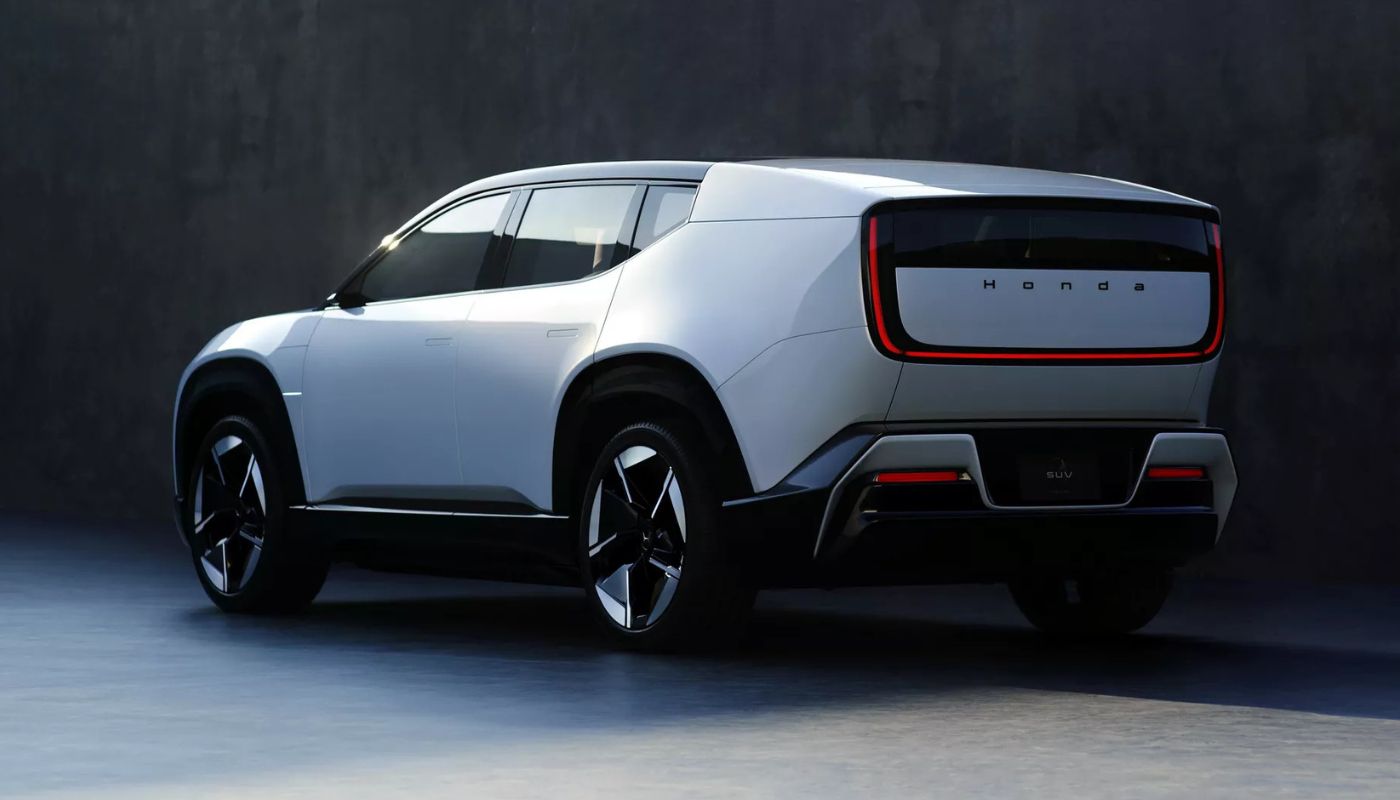
- The first EV is expected to be an SUV. This suggests Honda is targeting the rapidly growing SUV segment, rather than entering with a small hatchback or city car.
- In addition to the EV launch, Honda Cars India is planning to introduce three new nameplates by FY27. These will include both hybrid and electric vehicles. So the EV is part of a broader push toward electrification.
Strategic Context and Rationale
Why is Honda making this move, and why now? A few drivers and context:
- SUV Segment Growth
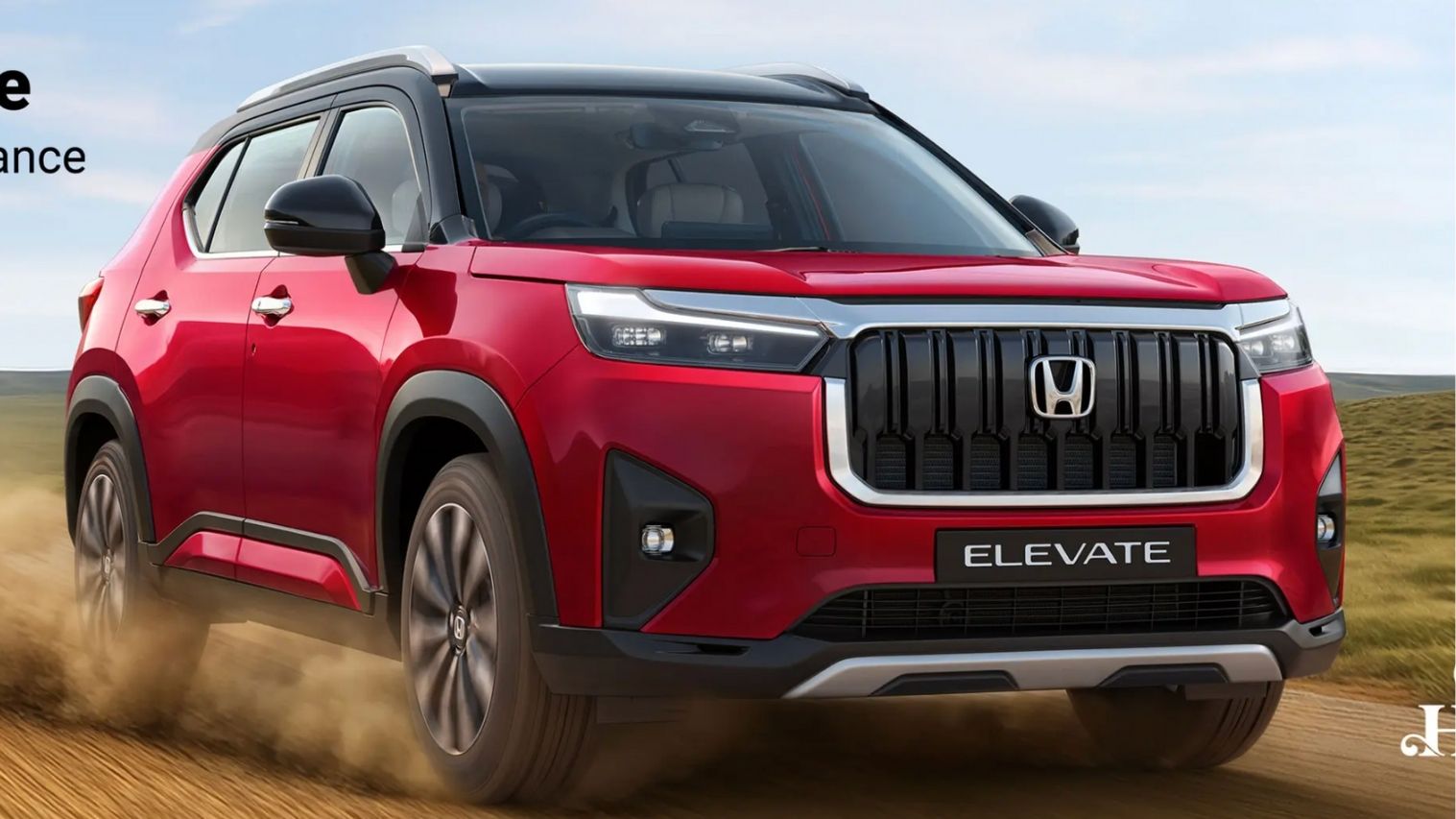
SUVs continue to dominate sales in India’s passenger vehicle market. Honda currently has only one SUV in its domestic portfolio (the Elevate) besides sedans like Amaze and City. To tap into market demand, Honda plans to expand its SUV offerings. The EV SUV seems to be aligned with this trend. - EV & Hybrid Push Globally and Locally
Globally, Honda is moving toward electrification, as are most automakers. In India, policy push, consumer interest, and tightening emissions norms are pushing toward EVs. Launching in FY27 gives Honda time to adapt design, sourcing, compliance, charging infrastructure, etc. - Competitive Pressure
Other automakers—both incumbents and newer EV-focused players—are already launching EVs or have announced EV plans in India. For Honda, to maintain relevance, entering the EV market is imperative. Also, being late but entering with SUVs (which have higher margins) can help. - Portfolio Refresh
Honda also aims to add hybrid models, not just pure battery electric vehicles. This suggests a transition strategy rather than an immediate full-EV commitment across the range. By FY27, with three new nameplates that include EV/HEV, Honda seems to be spreading risk and learning.
What We Don’t Yet Know
While the announcement gives some clarity, several critical details are still unspecified (and will impact how successful this launch is):
- Exact model and specifications: We know it’s an SUV, but size (compact, mid-size, etc.), battery capacity, range, performance, etc., are not yet public.
- Pricing: How much the EV will cost (ex-showroom, on-road) relative to ICE (internal combustion engine) and hybrid competitors will shape its market uptake.
- Manufacturing & Localization: Whether the EV will be produced locally (in Honda’s plants in India) or imported, and the extent of localization of key EV parts (battery, EV motor, etc.). Localization has big implications for price, supply chain, and government incentives.
- Charging infrastructure and after-sales ecosystem: EVs need support—charging stations, service network, battery warranties, spares. Honda’s strategy in this area is not fully known.
- Incentives/policy support: What subsidies, tax breaks, or regulatory advantages can Honda leverage? Government policies (state & central) will matter a lot.
Implications
- For Honda
If Honda succeeds, this EV SUV could help boost its competitive position, especially among customers who are shifting toward EVs for environmental, regulatory, or running-cost reasons. It can also help Honda meet any regulatory or emissions obligations. However, the risk is high: customer acceptance, cost, and infrastructure are still evolving. - For the Market
Honda’s entry will add more supply and variety to the EV market. This could push down costs (with more models vying for consumer attention), accelerate charging infrastructure development, and further normalize EV ownership in India. - For Competitors
Automakers like Tata, MG, Hyundai, and newer EV players (Ola, etc.) will see Honda’s move as additional pressure. Pricing, features, and after-sales services from Honda will be benchmarks. If Honda’s EV offering is compelling, it might push others to speed up launches or improve offerings. - Policy / Environmental Impact
An EV SUV from a major OEM helps towards national goals for lower emissions, greater EV adoption, energy security (less dependence on fossil fuels), etc. It may also help in states meeting air pollution goals.
Challenges
- Cost / Affordability: EVs are still more expensive than ICE counterparts in many segments, especially SUVs with longer range. Honda will need to balance cost, features, and value.
- Battery Supply & Technology: Procuring battery packs, battery management systems, etc., at scale, with reliability, safety, and cost under control, is a huge exercise.
- Consumer Mindset & Range Anxiety: Even if Honda launches a competitive EV, many Indian consumers will still worry about range, charging infrastructure, and resale/maintenance costs.
- Infrastructure: Charging stations, especially fast-chargers in semi-urban and rural areas, will need to be expanded. Otherwise, uptake may be limited to urban and high-income buyers.
- Regulatory & Policy Risks: Changes in subsidies, import duties, GST, or EV policy could affect profitability and affordability. Also, safety/homologation standards for EVs are evolving; compliance costs could increase.
Forward Look & Expectations
Given the timeline (FY27) and what Honda has revealed so far, here are plausible expectations or what to watch for:
- Timeline Milestones:
- FY26: likely further announcements (pre-launch, specs, pricing, battery/charging partnerships)
- Late FY26 / early FY27: possible unveiling of the EV model, followed by launch in the domestic market.
- Possible Segment / Positioning:
Honda may position the EV SUV in the compact SUV segment (which appeals to many buyers), to balance cost and utility. Alternatively, a mid-sized SUV may be chosen if they aim at premium buyers. - Price Range: If localized well, the entry EV SUV might be priced somewhere in the mid-to-upper range, depending on battery/feature package. If imported or less localized, it could be high.
- Hybrid Models as Stepping Stones: The inclusion of hybrid models suggests Honda might first test and scale hybrids, then move to full EVs, or offer hybrids alongside EVs. Hybrids may help create familiarity and reduce risk.
- Branding & Technology Partnerships: Honda may partner with battery makers, possibly forge alliances for charging infrastructure, invest in R&D locally, and maybe even use “H mark” branding (as reports suggest Honda is planning to debut a new “H mark” for HEV/EV models from ~2027) for its electrified line-up.
Conclusion
Honda’s confirmation via Kunal Behl that its first EV in India will arrive in FY27, and that it will be an SUV, marks a significant step for the automaker’s future in India. While many details are not yet public, the move is clearly a response to market trends: rapid growth in SUVs, increasing regulatory and consumer pressure for cleaner, electrified mobility, and a changing competitive landscape.
Success will depend on Honda’s execution — the product’s specification, price, after-sales, charging infrastructure, localization, and how well it communicates value to consumers. If they manage those well, Honda could make a strong entry into India’s EV market. If not, it risks launching too cautiously or with too high a cost, limiting market impact.