
Here’s a summary of Hyundai’s ambitious 2030 roadmap, including what’s confirmed about India-made EVs, based on recent announcements and reporting.
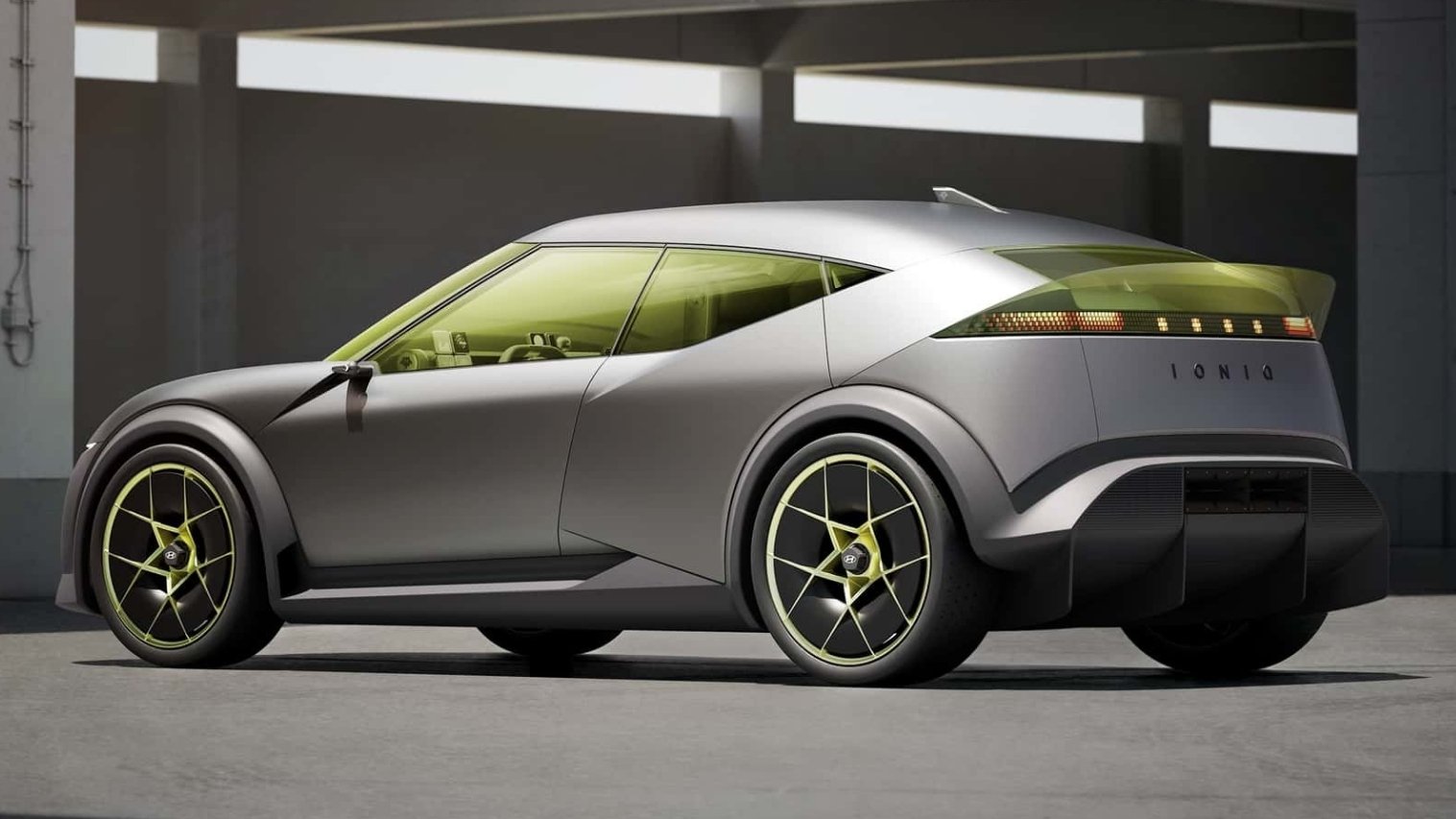
Global Strategy & Targets
- Hyundai Motor Company has reaffirmed its goal of 5.55 million global vehicle sales annually by 2030.
- Of those, electrified vehicles (this includes battery-electric, hybrids, etc.) are expected to make up around 60%, i.e., ~3.3 million electrified vehicles per year.
- The product portfolio will include 18+ hybrid models by 2030.
- Hyundai also plans to enter new segments, such as mid-size pickup trucks (especially in North America) and light commercial vehicles.
Key Technology & Manufacturing Moves
- The company intends to introduce Extended Range EVs (EREVs) from 2027, which combine battery + engine (for range extension) with the target of over 600 miles (≈ 960 km) of driving range. These will use in-house battery and motor tech.
- Battery improvements are a big part of the plan: by 2027, Hyundai aims for about 30% lower battery cost, 15% higher energy density, and 15% shorter charging times.
- The company is also pushing “Software-Defined Vehicles” (SDVs), with architectures that allow over-the-air updates, personalized features, etc. SDV platforms and tools play a key role.
- On the manufacturing front, global production capacity is expected to increase by about 1.2 million units by 2030.
India: What’s Confirmed & Planned
Hyundai’s roadmap for India is a critical part of the global plan. Key confirmed points include:
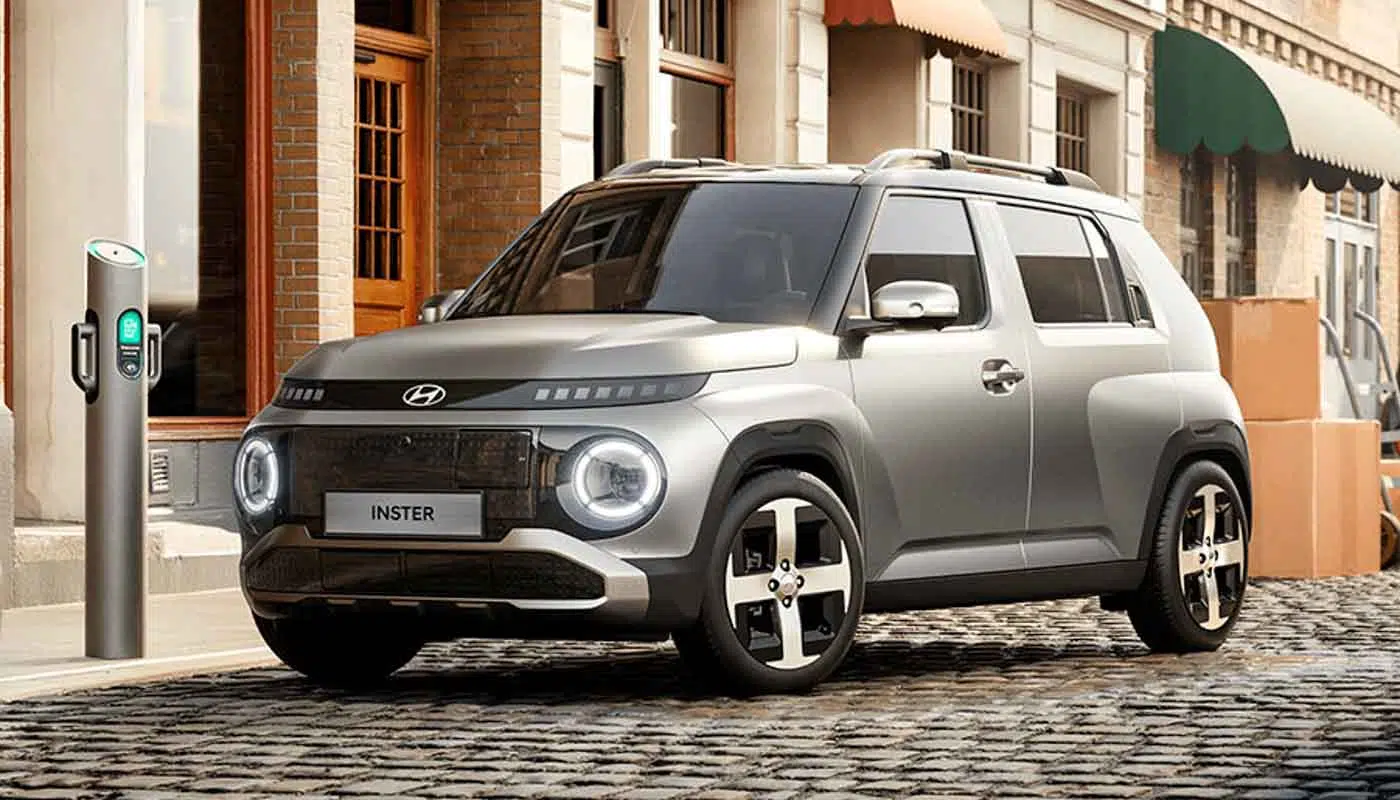
- India-made EVs confirmed
- Hyundai and its affiliate Kia plan to begin local production of EVs in India by 2025.
- India will get “the country’s first EV designed specifically for local drivers” as part of Hyundai’s product roadmap.
- Product launch plan through FY2030
- Hyundai Motor India has committed to 26 new models by FY2030. This includes 20 ICE (internal combustion engine) vehicles, 6 EVs, and several hybrid models.
- The new offerings will span nearly all segments: compact SUVs, hatchbacks, sedans, and more. There will also be more premium hybrids.
- EV, platform & price-positioning
- An electric hatchback, codenamed HE1i, is slated for launch in late 2026. It’s expected to be a “skateboard-based” mass-market EV, likely targeting a more affordable price range (≈ ₹10-15 lakh) to compete with existing small EVs.
- The Creta SUV (one of Hyundai’s biggest volume models in India) is to be upgraded to a next-generation version around 2028 and will offer petrol, diesel, hybrid, and electric powertrains. It’s being positioned to comply with future regulations (e.g., CAFE norms) and serve as a platform leader.
- Charging & infrastructure
- Along with its model rollouts, Hyundai plans to build out a more comprehensive EV charging network in India to support these EVs.
Challenges & Strategic Rationale
- The push into India for EVs and hybrids comes amid increasing competition: Indian OEMs (Tata, Mahindra, etc.) are accelerating their EV programmes. Hyundai is also losing market share and has slipped in recent monthly rankings.
- EV adoption still faces headwinds: infrastructure, cost of EVs, consumer preferences, and regulatory pressures. Localizing production and using in-house technologies helps, but the challenge remains steep.
- The roadmap seems to be designed to balance risk: maintain a strong ICE portfolio in the near term, build hybrids, and then shift more aggressively to EVs and extended-range models, while localising where possible.
What to Watch Out For
- How competitive are the locally made EVs in terms of price, range, and features vs imported ones and vs rivals?
- Effectiveness of charging infrastructure rollout — whether Hyundai can partner, or whether government policy supports it.
- How regulation (e.g., emission norms, EV incentives) will evolve in India — these can strongly influence costs and adoption.
- Whether Hyundai can speed up its EV ramp-up such that “electrified” vehicles form a growing share before 2030.
Conclusion
Hyundai’s 2030 roadmap is ambitious globally, aiming for major electrification, expansion into new segments, improved technologies (battery, software), and higher production capacity.
In India, the plan is to localize EV production, launch multiple new models across ICE, hybrid, and electric powertrains, build supporting infrastructure, and compete strongly in both volume and value. The confirmation of India-made EVs by 2025 is a significant milestone in this strategy.