
Electric vehicle charging provider Ionity has introduced two new annual subscription plans, extending its existing portfolio of monthly tariffs. The new offerings—called Power 365 and Motion 365—allow drivers to pay once per year rather than month to month, with the promise of cost savings and locked-in charging prices.
What Are the Annual Plans, and How Do They Work?
The two new plans mirror the existing monthly options in terms of per-kWh charging prices, but offer a discounted base subscription fee if paid in advance. Under the new scheme:
- The Power 365 plan offers a charging rate of €0.39 per kWh (same as its monthly counterpart).
- The Motion 365 plan gives €0.49 per kWh.
The key differentiator is the subscription (basic) fee structure:
- Under current promotional pricing (valid until November 7, 2025), Power 365 costs €99.99 per year for the full 12 months, compared to the cumulative monthly cost of €11.99 × 12 = €143.88. That yields a saving of about €43.89 if you stay the full year.
- Motion 365 is priced at €49.99 annually (versus monthly fees totaling €5.99 × 12 = €71.88), giving a discount of about €21.89.
After November 7, 2025, these rates shift: Power 365 will cost €119.99 a year, and Motion 365 will cost €59.99, reducing—but not eliminating—the advantage vs. monthly payments.
Importantly, users who commit to an annual plan lock in the charging price for the full 12 months. If Ionity raises per-kWh prices for new customers after you’ve signed up, your rate remains unchanged for the duration. However, the converse is also true: if Ionity lowers prices later, your locked rate remains as it was when you signed up.
Also, there is no automatic renewal: the annual subscription ends after 12 months, and you must actively re-subscribe.
In terms of plan flexibility:
- You can upgrade from Motion 365 to Power 365 at any time; the change takes effect immediately, and a pro-rata adjustment is applied.
- But you cannot downgrade from Power 365 to Motion 365 until the 12-month term ends.
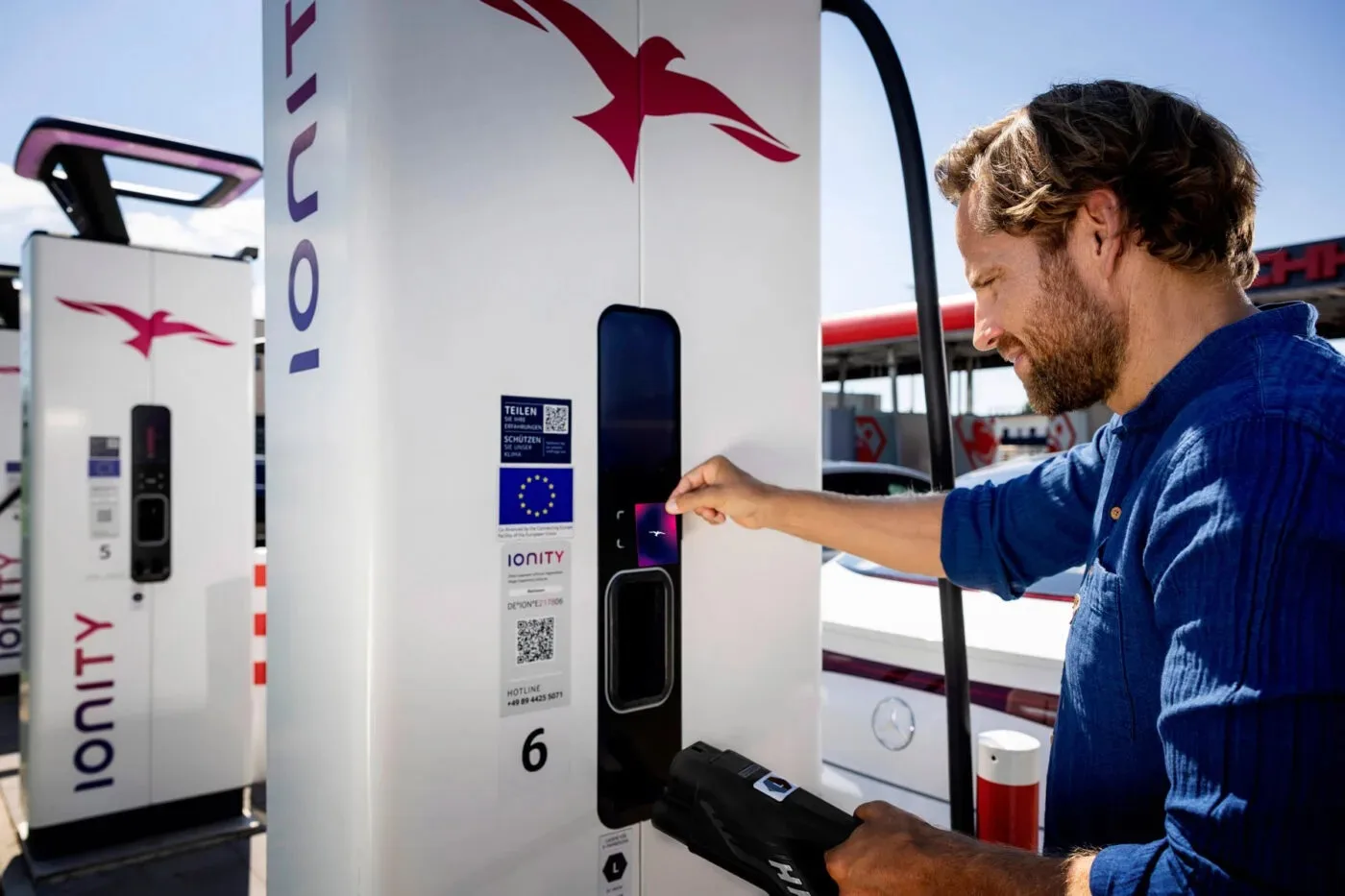
All subscription customers (annual or monthly) may also request an Ionity RFID charging card for access.
Why Ionity Is Doing This
Ionity frames these new annual plans as a way to offer cost predictability and transparent pricing to EV drivers. With the subscription fee locked in and per-kWh costs fixed, users avoid surprises from rate hikes within the term. As CEO, Jeroen van Tilburg put it: “drivers can focus on their journeys instead of their bills,” knowing that costs are predictable.
This move also gives Ionity a more stable revenue base (through upfront yearly commitments), reducing churn risk and strengthening customer loyalty. At the same time, the lower fees serve as incentives for more frequent usage.
Trade-offs and Considerations
While the annual plans seem attractive, a few caveats are worth noting:
- Commitment risk – If your usage is lower than expected, the upfront cost may not pay off.
- Locked rates – If market charging rates fall, you won’t benefit until your term ends.
- No auto-renewal – You must remember to renew or switch to continue benefiting.
- Limited switching – Downgrade restrictions may limit flexibility for users whose charging needs change significantly.
- Geographic variation – Prices per kWh and subscription fees can vary by country in Ionity’s coverage area.
Also, for users who don’t charge often, Ionity’s Direct (pay-as-you-go, no subscription) or Go (app-based discount) plans remain available and unaffected. Their rates are currently around €0.75/kWh (Direct) and €0.70/kWh (Go) across many markets.
Broader Context & Implications
This annual subscription launch marks another step in Ionity’s evolution as a charging infrastructure provider across Europe. Ionity already operates in 23–24 countries and positions itself as a high-power, pan-European network.
Earlier in 2025, Ionity also introduced a fleet charging solution aimed at businesses managing electric vehicle fleets. That offering emphasizes centralized billing, flexible tariffs, and scale advantages.
By diversifying its offerings—from ad-hoc charging to monthly subscriptions to now annual plans and fleet services—Ionity is strengthening its appeal to different types of users (from occasional drivers to power users to corporate fleets).
From a market perspective, the annual plans may help smooth demand, reduce switching, and provide Ionity with more predictable revenue flows. For EV users, the key question will be whether one’s usage justifies the upfront commitment. For frequent long-distance drivers who use Ionity often, the savings could be meaningful.