
Jaguar Land Rover (JLR)—the UK‑based luxury automaker owned by Tata Motors—has been impacted by a significant cyber incident that has severely disrupted its production and sales:
On September 2, 2025, JLR disclosed that a major cybersecurity incident had severely disrupted its global production and retail operations. In immediate response, the company shut down its IT systems worldwide to contain the damage and protect sensitive infrastructure.
The company emphasized there was no evidence so far that customer data had been stolen. Nonetheless, the disruption affected both manufacturing plants—including Halewood and Solihull in the UK—and retail functions such as vehicle registration and dealer management systems.
Operational Disruption and Scope
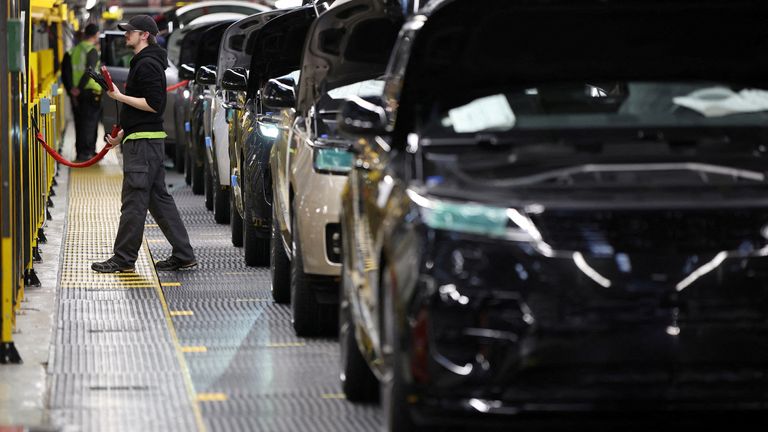
- UK Plants: Employees at Halewood—manufacturing Range Rover and Defender components—were specifically told not to report to work on Monday following the incident. Assembly halted at both Halewood and Solihull, where the Range Rover and Range Rover Sport are produced.
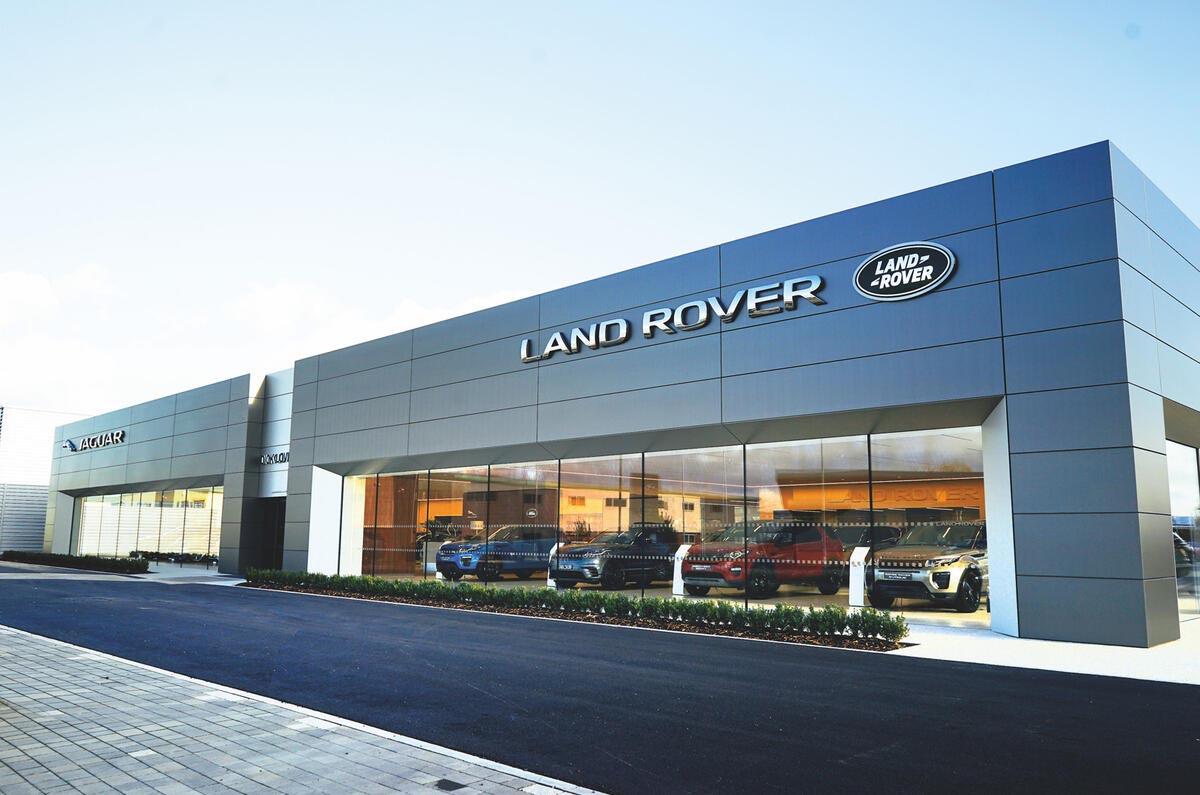
- Dealer Operations: Dealerships continued to accept orders and customer deposits but could not register new vehicles, including on September 1—the busy “new plate” day in the UK—leading to widespread disruption in handovers.
- Parts and Delivery: The disruption reportedly impacted parts supply chains and new car deliveries, though JLR did not confirm full details.
- IT Infrastructure
Root Cause and Cybersecurity Response
Though JLR has not officially detailed the nature of the attack, some reporting suggests:
- An unauthorised intrusion was detected late Tuesday, possibly an Advanced Persistent Threat (APT) targeting operational systems across multiple regions.
- Detection tools—including IDS (Intrusion Detection Systems) and EDR (Endpoint Detection & Response)—flagged anomalous activity, triggering system-wide shutdowns.
- A cybersecurity expert quoted by The Guardian noted the swift shutdown implied an attack aimed at operational technology (OT), not merely customer data.
JLR is reportedly working with external cybersecurity firms and has notified law enforcement and relevant bodies such as the UK’s National Cyber Security Centre (NCSC).
Corporate Context & Timing
This cyber incident compounds existing challenges for JLR:
- Profit Declines: In the preceding quarter, JLR reported a near 49% drop in pre‑tax profits, driven by high US tariffs on UK car exports.
- Model Launch Delays: The launch of new electric Range Rover and Jaguar models had been postponed for additional testing and improved demand expectations.
- Workforce Changes: Earlier in July, the company initiated a program to cut up to 500 management jobs as part of restructuring.
- Leadership Transition: Concurrently, PB Balaji—Tata Motors’ finance chief—has been tapped to succeed long‑serving CEO Adrian Mardell, who will retire in December.
The attack also mirrors a worrying trend of cyber incidents in the UK, with retailers like Marks & Spencer, Co‑op, and Harrods experiencing similarly serious breaches recently.
Implications and Outlook
Short-Term Impact
- Downtime: Immediate production stoppages at key UK facilities.
- Dealership Backlogs: Vehicle registration delays are affecting delivery schedules.
- Operational Strain: Manual workarounds required for customer communications and support.
Medium to Long-Term Consequences
- Financial Fallout: Recovery costs (IT remediation, system hardening), loss of sales, and possible regulatory fines (e.g., GDPR) may strain JLR’s finances further.
- Reputation & Trust: The incident amplifies concerns around reliability and cybersecurity resilience.
- Industry-wide Alarm: It underscores vulnerability within global automotive manufacturers, especially those with tightly integrated IT/OT ecosystems.
Recovery Approach
JLR is “working at pace to restart global applications in a controlled manner”. Dealers expect normalization later in the week, with some predicting recovery by Thursday or Friday.
Conclusion
The September 2, 2025, cyber incident marks a significant operational and strategic setback for Jaguar Land Rover, a company already grappling with economic and market pressures. By proactively shutting down IT systems, JLR demonstrated swift defensive action—likely avoiding a catastrophic data breach—but the consequences are severe: halted production, disrupted sales, delivery delays, and a threat to stakeholder trust.
As investigations unfold, the incident raises broader questions about cybersecurity preparedness in the automotive industry—especially for companies whose modern production relies heavily on interconnected digital infrastructure.