
Mahindra & Mahindra (M&M), one of India’s leading automotive manufacturers, has set an ambitious target to sell Mahindra Targets 7,000 EVs per Month by the End of the Fiscal Year, signaling a strong push toward electric mobility.
This goal highlights Mahindra’s confidence in rising EV demand and its expanding electric product portfolio, positioning the company as a key player in India’s fast-evolving EV market.
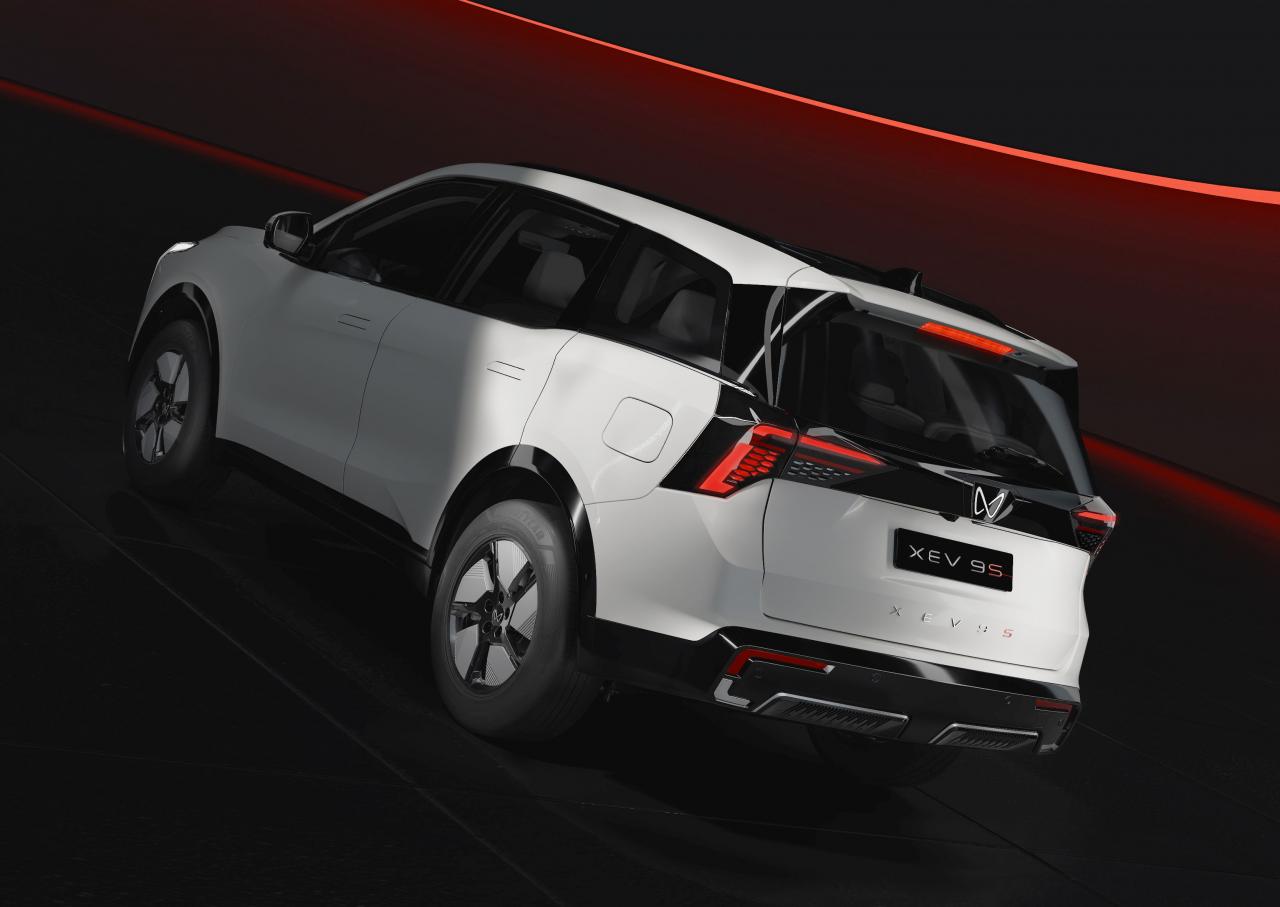
Mahindra’s Expanding EV Vision
Mahindra has been steadily strengthening its electric vehicle strategy over the past few years. With growing consumer interest in sustainable mobility, favorable government policies, and improving charging infrastructure, the company believes the Indian EV market is approaching an inflection point.
The target of 7,000 monthly EV sales represents a significant jump from current volumes and reflects Mahindra’s intention to scale operations rapidly. The automaker is focusing on both electric SUVs and electric three-wheelers, catering to personal and commercial mobility needs.
Strong Performance of Electric SUVs
A major driver behind Mahindra’s EV growth is the strong response to its Born Electric SUV lineup, particularly models like the XUV400 EV. Known for competitive range, high safety ratings, and aggressive pricing, Mahindra’s electric SUVs have helped the brand gain traction among urban and semi-urban buyers.
Rising fuel costs and increasing awareness of low running costs have further boosted demand for electric SUVs. Mahindra is leveraging this trend by increasing production capacity and improving delivery timelines to meet customer expectations.
Leadership in Electric Three-Wheelers
Beyond passenger vehicles, Mahindra already enjoys a leadership position in the electric three-wheeler segment. Its electric auto-rickshaws are widely used in last-mile connectivity and commercial transportation across Indian cities.
This segment plays a crucial role in helping Mahindra achieve its monthly EV sales target, as demand from fleet operators and small businesses remains strong due to lower operating costs and government incentives.
Manufacturing Capacity and Supply Chain Focus
To support its EV sales ambitions, Mahindra has been investing heavily in manufacturing expansion and supply chain resilience. The company is working on improving semiconductor availability, battery sourcing, and localized production to reduce dependency on imports.
Dedicated EV manufacturing facilities, combined with flexible production lines, allow Mahindra to ramp up output quickly while maintaining quality standards. This scalability is critical to achieving consistent monthly sales of 7,000 units.
Investments in Technology and Sustainability
Mahindra’s EV push is backed by substantial investments in battery technology, software, and digital architecture. The company is also focused on sustainability across the value chain, including renewable energy use in manufacturing and responsible sourcing of raw materials.
These initiatives not only support long-term cost efficiency but also align with global environmental, social, and governance (ESG) expectations, making Mahindra more attractive to investors and eco-conscious consumers.
Favorable Market Conditions in India
India’s EV ecosystem is maturing rapidly. Government incentives under schemes like FAME, state-level subsidies, reduced GST on EVs, and growing public charging infrastructure are encouraging buyers to switch to electric vehicles. vehicles
Mahindra’s strong brand recognition, wide dealership network, and after-sales support give it a competitive advantage as first-time EV buyers look for trusted manufacturers.
What This Means for the Indian EV Market
Mahindra’s target to sell 7,000 EVs per month by the end of the fiscal year reflects broader optimism in India’s electric mobility journey. If achieved, it would not only strengthen Mahindra’s market position but also accelerate EV adoption across multiple vehicle segments.
As competition intensifies with new domestic and global EV players entering India, Mahindra’s focus on scale, affordability, and product diversity could prove to be a decisive factor.
Conclusion
Mahindra’s ambitious EV sales target underscores its commitment to leading India’s transition to electric mobility. By combining strong products, manufacturing scale, and favorable market conditions, the company is positioning itself for sustained growth in the EV segment. Achieving 7,000 EV sales per month would mark a significant milestone—not just for Mahindra, but for India’s broader electric vehicle ecosystem.