
Maruti Suzuki crossing 80,000 retail sales in just 4 days of Navratri: The festive season of Navratri 2025 has ushered in a historic sales surge for India’s largest carmaker, Maruti Suzuki India Limited (MSIL).
Riding on a timely GST tax cut move and strong consumer sentiment, Maruti has reportedly crossed—or is on the verge of crossing—the milestone of 80,000 retail vehicle sales in just the first four days of Navratri (September 22–25).
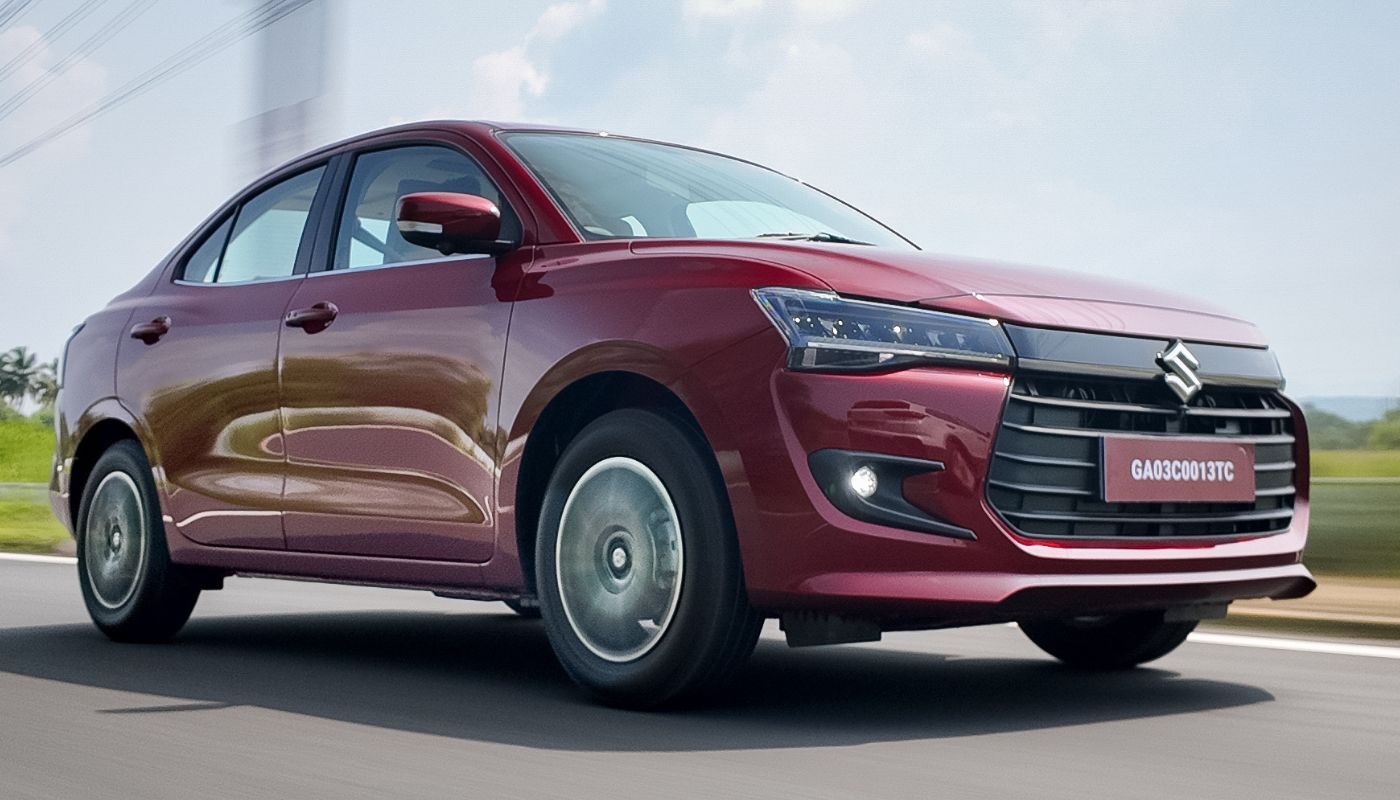
Context: GST Cut + Festival Season
The GST incentive
On September 22, the government’s revised tax regime (often dubbed “GST 2.0”) came into effect. Under it:
- Small cars (under ~4 meters in length, with limited engine capacity) now carry an 18% GST versus earlier effective rates (28% + cess).
- For larger vehicles (length > 4 m), the tax was revised to 40%, down from the earlier 43–50%.
- Maruti Suzuki broadly passed this benefit fully to its customers, along with additional discounts on many models.
This move effectively trimmed prices across its range, particularly benefiting entry-level and small cars—segments already known for their price sensitivity.
Festive Push
Navratri is one of the marquee festival periods in India, when purchases—especially of consumer durables like cars—traditionally spike. The timing of the GST cut at the very onset of Navratri magnified its impact. Customer footfalls, enquiries, and bookings surged dramatically.
Further, Maruti reports that bookings outside the top 100 cities (i.e., Tier-II and Tier-III markets) have nearly doubled. The small-car segment, in particular, has seen ~50% growth in demand.
Together, the mix of price incentives + festival sentiment created a perfect storm of demand.
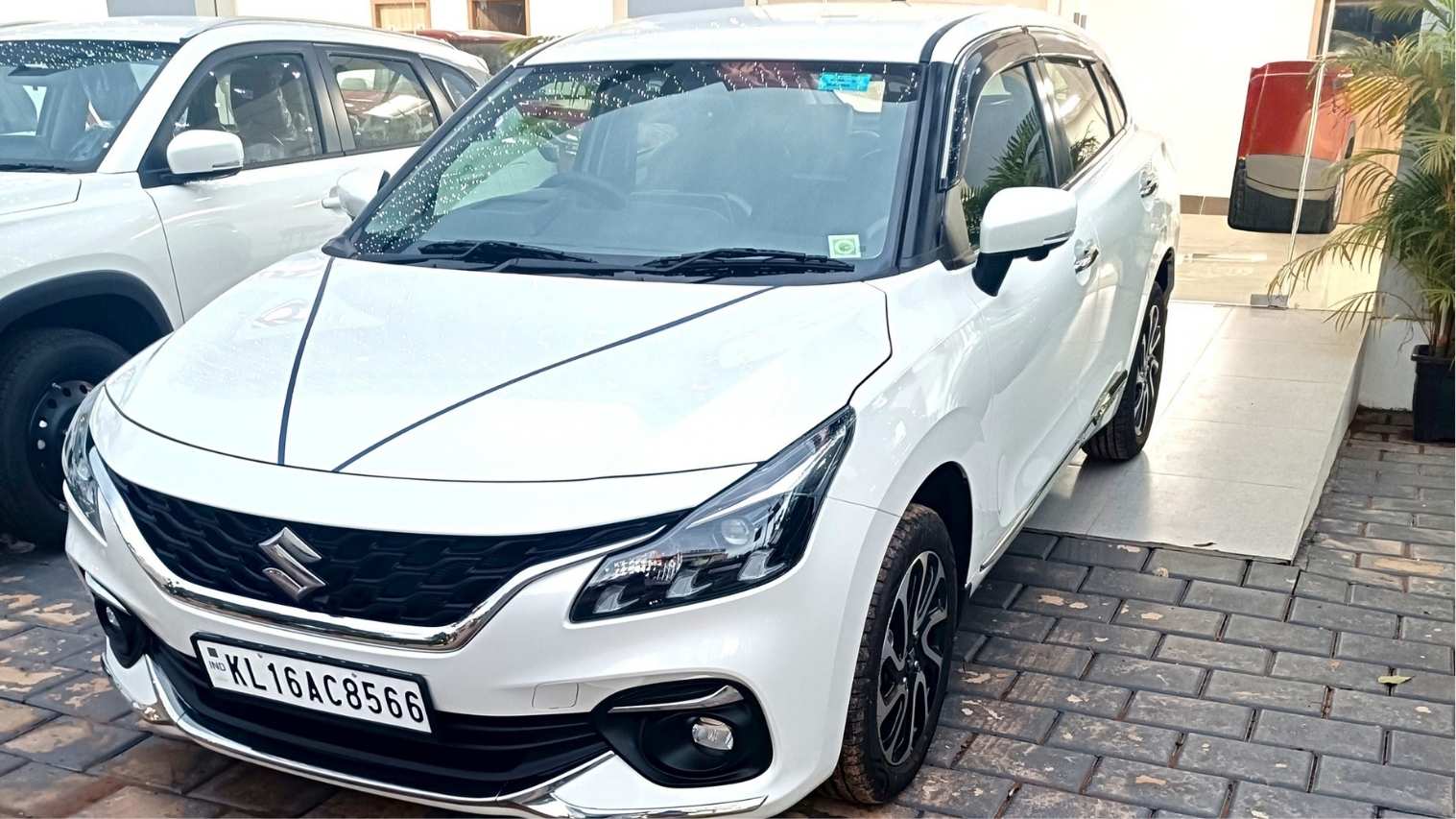
The Numbers: What was Achieved
Day 1 (Sep 22)
- Maruti received ~80,000 customer enquiries in a single day—nearly double its usual daily average of 40,000–45,000.
- It delivered 25,000+ vehicles by evening, with expectations that the final tally would approach 30,000 for the day.
- This single-day performance was among the strongest starts the company has seen in decades.
Over the First four Days
- By September 25 (by about 6 pm), Maruti had reported ~75,000 units of retail sales since Navratri began.
- The company expected to cross 80,000 units by the end of the day.
- Bookings in this span rose ~35% overall.
- Demand for small cars surged by ~50%.
- Daily bookings averaged ~18,000 units.
Taken together, the company essentially scaled up from a strong Day 1 performance into sustained momentum over four days.
Why This Milestone Matters
Validation of Policy Levers
The fact that Maruti could record such exceptional retail numbers in a very short span right after a tax change underscores how responsive consumer behavior is to price stimuli. A well-timed fiscal policy tweak, matched with strong brand and distribution strength, can shift near-term demand meaningfully.
Strengthening Seasonality
Auto manufacturers often rely heavily on the festival season to drive a large portion of annual volumes. An early surge like this not only boosts revenues early but also helps manage inventory and supply chain stress deeper into the season.
Deeper Market Penetration
The fact that the surge was pronounced in Tier II / Tier III cities suggests that the price cuts opened incremental demand beyond just major urban markets. That improves geographical depth and diversifies risk.
Segment Pull
Small cars taking the lead is significant. These are volume engines for Maruti, operating on thinner margins but with a larger contribution to unit sales. That these models saw 50% growth suggests a favorable shift in buyer preference.
Challenges & Risks
- Meeting supply and logistics: sudden surges stress production, delivery, parts logistics, and dealer readiness. Some variants may run out of stock.
- Sustainability: after the initial burst, maintaining elevated demand for the rest of the festive window or beyond may be harder.
- Profitability: while retail volumes are rising, margin dilution from discounts and tax pass-throughs needs careful management.
The Broader Industry Ripple
Maruti’s performance did not occur in isolation. Other automakers such as Hyundai, Tata Motors, and Mahindra also reported robust demand in the first days of Navratri. Hyundai, for instance, recorded ~11,000 dealer billings on Day 1—the highest in five years.
Meanwhile, associations like SIAM and FADA have suggested that this GST cut plus festive upswing could buoy the auto sector for months ahead, not just a short-lived spike.