

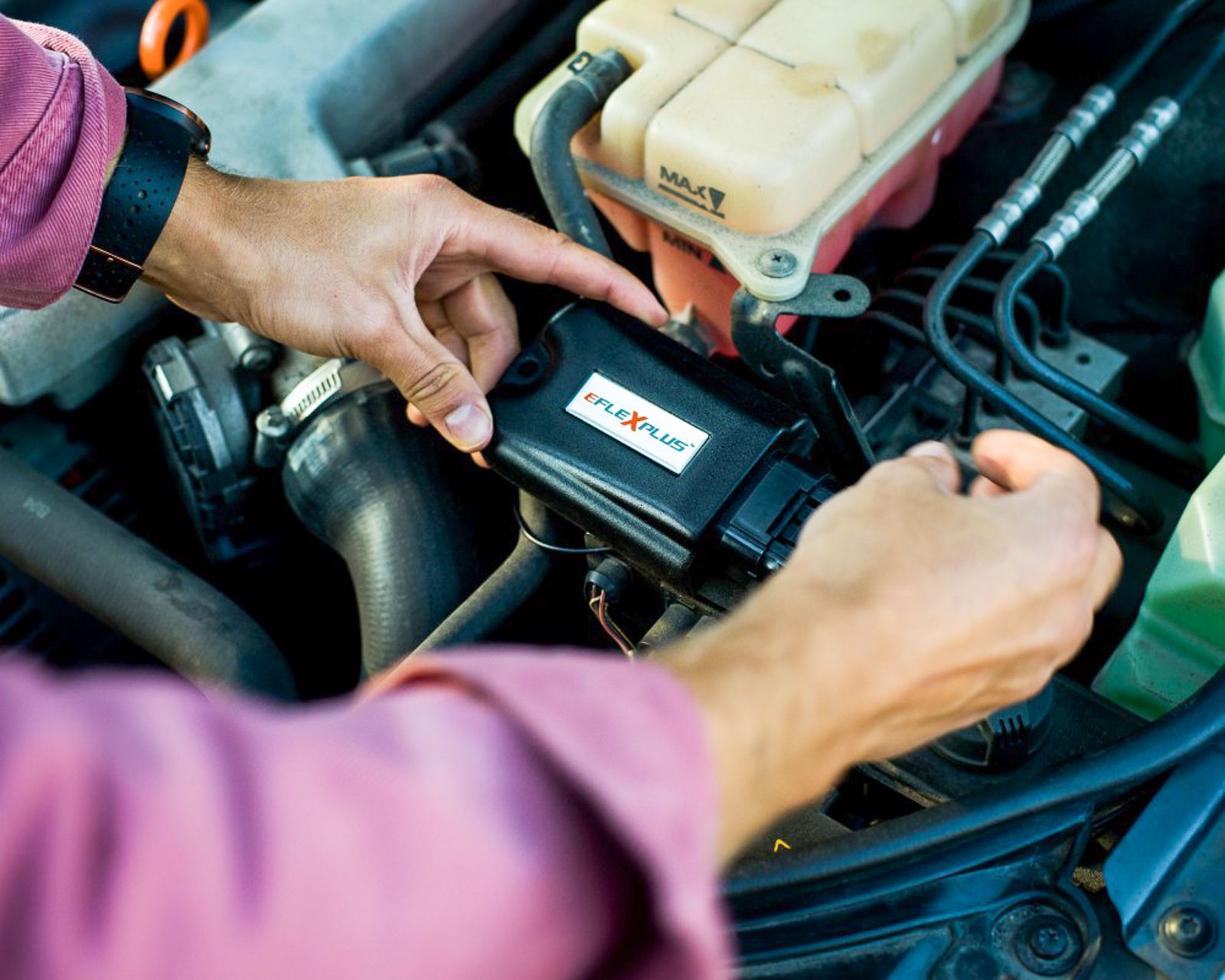
Maruti Suzuki E20 Upgrade Kit is preparing to make India’s E20 fuel transition easier for owners of older cars. Multiple reports indicate the company will roll out E20 “material upgrade” kits for models up to 15 years old, allowing non-compliant vehicles to safely run on petrol blended with 20% ethanol (E20).
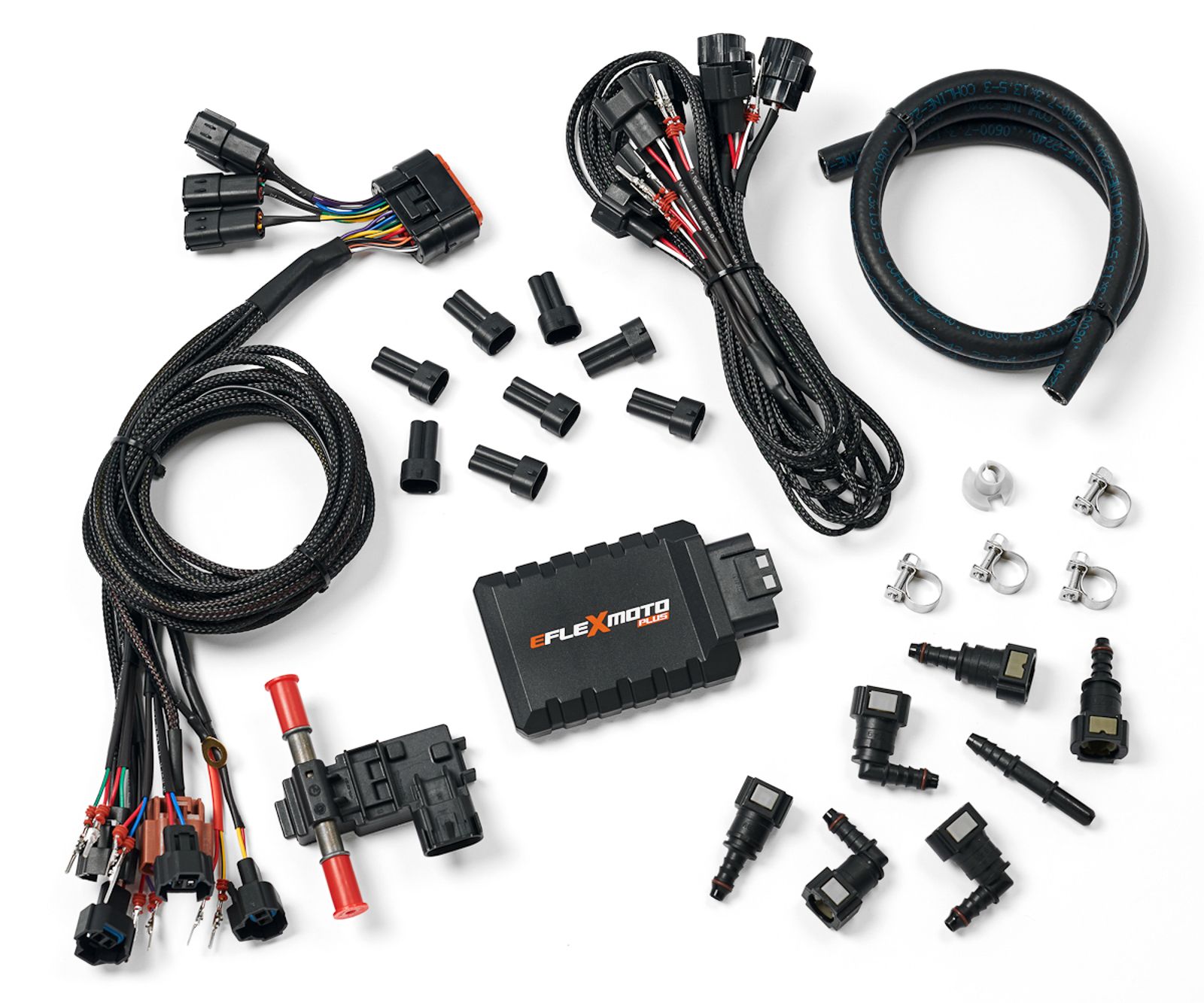
The kits are expected to replace select fuel-system parts that are sensitive to higher ethanol content—think hoses, seals, gaskets, some plastic elements, and specific metal components exposed to fuel. Indicative pricing widely reported is ₹4,000–₹6,000, varying by model.
This move matters because E20 petrol is being scaled up across India, and while all new Maruti cars manufactured since April 2023 have been built E20-ready, millions of earlier vehicles were designed primarily for E0/E5/E10 and may need parts with different materials to avoid premature wear. The upcoming kit is intended to fill that gap for a large swathe of Maruti’s legacy fleet.
Why E20 is Different—and Why Kits Help
Ethanol is an alcohol; blends like E20 (20% ethanol, 80% petrol) can be more corrosive to certain rubbers, plastics, and metals than straight petrol. That’s why manufacturers specify E20-compatible materials in fuel-system parts on newer vehicles.
For many older cars, upgrading vulnerable components is the safest route to long-term reliability on E20. Several outlets reporting on Maruti’s plan say the kits will focus on ethanol-resistant seals, gaskets, fuel lines, and similar parts to prevent leaks or deterioration, and in some cases, may involve ECU calibration checks if required.
While online debate occasionally claims E20 “kills mileage” or harms engines, testing by Indian agencies has suggested minor, manageable fuel-efficiency changes (often low single digits) when vehicles are properly calibrated and maintained. The government and industry bodies have also addressed safety and materials standards around E20.
What’s Being Reported So Far
- Eligibility window: Up to 15 years old (typically vehicles built roughly from 2010 onward, depending on exact launch timing and ongoing availability).
- Indicative cost: Around ₹4,000–₹6,000, model-dependent.
- Scope of parts: E20-resistant rubber, plastic, and metal components in the fuel system (e.g., seals, gaskets, hoses, certain lines).
- Status: Reported/expected; timelines, exact kit contents, and final pricing to be confirmed by Maruti Suzuki through official channels. News cycles on August 13–14, 2025, highlight this plan amid India’s ethanol-blend push.
- Context: Automakers are accelerating ethanol-blend readiness and flex-fuel development in light of fuel-policy targets and efficiency norms.
What Owners Should Expect
If your Maruti is newer (April 2023 onward), it’s already E20-compliant and doesn’t require the kit. If it’s older—yet within the 15-year window—the kit provides a manufacturer-approved path to running E20 with better material compatibility, which can help avoid fuel-system degradation. Owners should still follow recommended fuel filters, service intervals, and any software updates or ECU checks prescribed during installation.
Practical Considerations (Before the Official Rollout Details)
- Book through authorised service: Installation at a Maruti authorised service station ensures genuine parts, correct procedures, and service records that protect future resale value. (Dealership processes and labour costs will vary by model and city; await official guidance.)
- Model-specific differences: Not all cars use the same hose diameters, gasket materials, or line routings. Expect model-wise kit numbers and VIN checks to determine compatibility.
- Fuel choice post-upgrade: After upgrading, using E20 from reputable pumps and keeping up with routine maintenance (filters, injectors, periodic inspections) will help preserve performance and longevity. Industry explainers also note that efficiency differences with E20 are generally modest and can be mitigated by tuning.
FAQs
1) What exactly is E20 fuel?
E20 is petrol blended with 20% ethanol. Ethanol is typically produced from biomass such as sugarcane molasses or other starch/sugar sources. India is expanding ethanol blending to reduce crude imports and emissions and to support the agri-economy.
2) Why do some older cars need an upgrade kit for E20?
Higher ethanol content can attack incompatible rubbers and plastics and can alter how certain metals fare in long-term contact with fuel. The kit swaps vulnerable components for E20-rated parts so the car can handle the blend without abnormal wear or leaks.
3) Which Maruti models are eligible?
Reports say Maruti plans kits for cars up to 15 years old. Final model lists aren’t published yet; expect details via dealerships once Maruti formally announces the rollout. If your car is built from April 2023 onward, it’s already E20-ready and doesn’t need the kit.
4) How much will the kit cost?
Media estimates point to ₹4,000–₹6,000, depending on the model. That figure likely excludes labour. Wait for official pricing per model and city.
5) What components are replaced?
Expect items like fuel hoses/lines, seals, gaskets, and other rubber/plastic parts in the fuel system. Some kits may include related metal parts exposed to E20. The exact bill of materials will be model-specific.
6) Will performance or mileage change after I start using E20?
Tuning and proper maintenance can narrow that gap. Octane can be higher with E20, which manufacturers can leverage in future engines.
7) Is the kit mandatory to use E20?
If your vehicle is not E20-compliant, using E20 long-term without upgraded materials risks premature part degradation and reliability issues. The safest path is to use the upgrade kit once available; in the interim, owners sometimes seek lower-ethanol options where available, but availability varies, and official guidance is to follow manufacturer recommendations.
8) What about warranty?
For cars still under warranty, using genuine parts and authorised installation is the safest approach. Official warranty positions for specific models will be clearer once Maruti releases the programme details; check with your dealer before proceeding. (Media coverage so far focuses on what the kit is, not the warranty policy.)
9) How long will installation take?
Not yet specified. Given the scope (mainly fuel-system rubber/plastic components), owners can expect a workshop visit rather than a quick driveway job. Time will vary by model and workshop load.
10) When does the rollout start?
As of August 14, 2025, the plan is widely reported, but official timelines haven’t been published publicly. Keep an eye on Maruti communications and dealer notices for booking windows and stock availability.
11) My car is older than 15 years—what are my options?
The reported plan caps eligibility at 15 years. Owners of older vehicles should consult service centres about model-specific solutions; in some cases, parts may still be retrofittable, but they may fall outside the official programme’s scope. Availability and support will be at the service network’s discretion.
12) Are other brands planning similar kits?
Industry chatter suggests broader readiness efforts around ethanol blends and even flex-fuel development across OEMs due to upcoming regulations and fuel-policy targets, but Maruti’s kit plan is the one most concretely described in current coverage.
Summary
For millions of Indian car owners, E20 is becoming the new normal. If you own a pre-April 2023 Maruti that you plan to keep for several years, the E20 upgrade kit is shaping up to be a relatively low-cost way (circa ₹4k–₹6k plus labour) to future-proof your fuel system and remove the guesswork around ethanol compatibility.
Watch for Maruti Suzuki’s official dealer communications that will confirm eligible models, part lists, pricing, and scheduling. In the meantime, keep your service records up to date and use trusted fuel outlets; when the programme opens, book early to avoid queues.