
Here’s a write-up on Nalwa Aero Gets DGCA Approval For 5-Seater Electric Air Taxis in India: Punjab-based aerospace startup Nalwa Aero has become the first Indian company to secure Design Organisation Approval (DOA) from the Directorate General of Civil Aviation (DGCA) for electric Vertical Take-Off and Landing (eVTOL) aircraft designed to carry five or more passengers.
This approval is a key regulatory milestone: it validates that Nalwa Aero’s design, engineering processes, safety analysis, and quality management systems meet DGCA’s standards for eVTOL aircraft.
At a recent industry event (the North India Aviation Summit), the DGCA certificate was handed over to Nalwa Aero’s CEO, Kuljeet Sandhu, by India’s Civil Aviation Minister, Kinjarapu Rammohan Naidu.
Technical Profile and Performance Targets
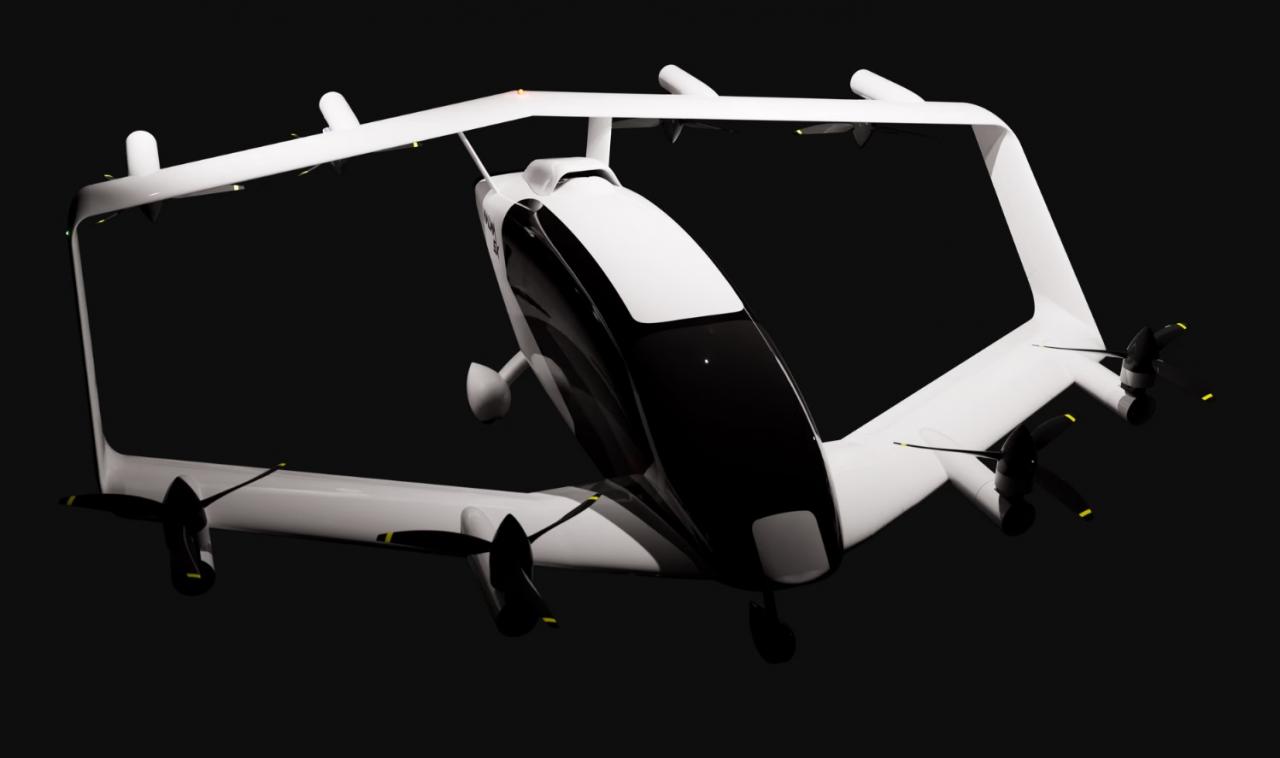
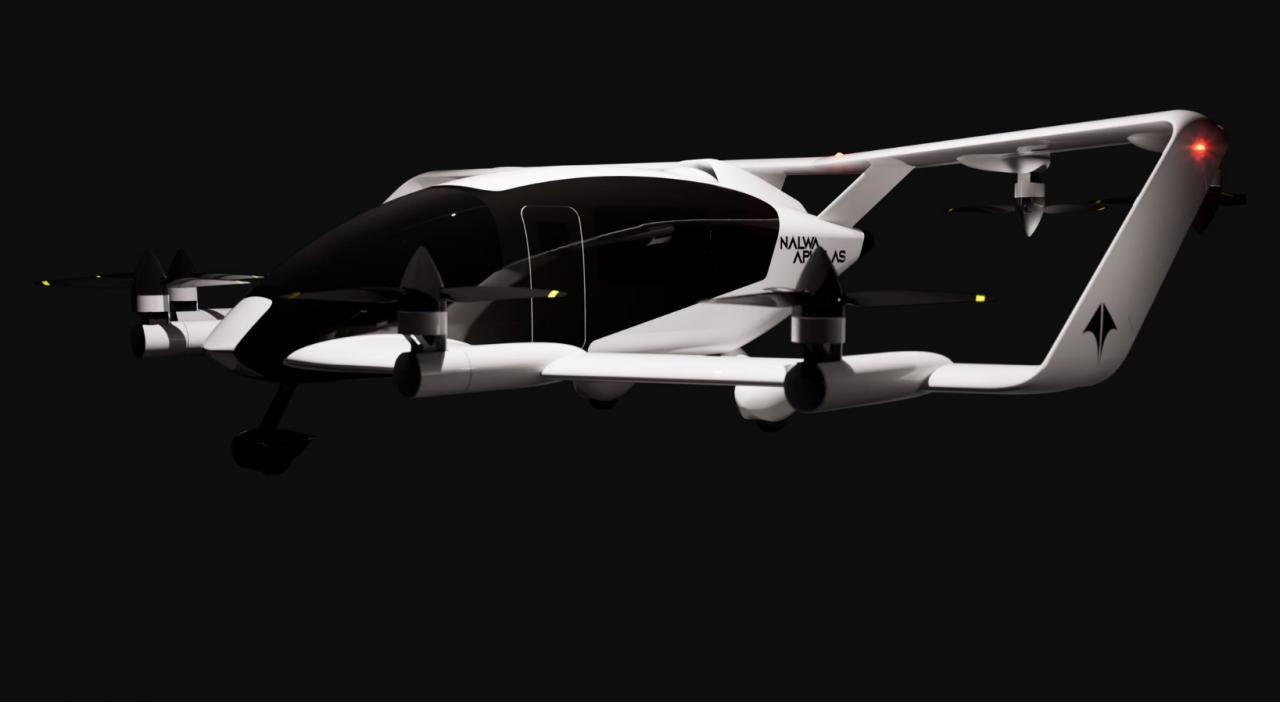
According to Nalwa Aero and media reports, the key specifications and ambitions for their 5-seater eVTOL are as follows:
- Passenger capacity: Up to 5 seats (i.e., 5 passengers)
- Top speed: Up to 350 km/h, allowing fast travel compared to ground transport on congested routes.
- Range/distance: Up to 300 km per flight on electric propulsion.
- Use cases: Both intra-city (within cities) and inter-city (between neighboring cities) operations are envisioned.
- Sustainability & noise: Being fully electric, the design targets lower emissions and quieter operation compared to conventional small aircraft or helicopters.
These performance benchmarks place the aircraft in the class of modern “urban air mobility” vehicles aiming to bridge middle-distance aerial connectivity in urban and regional corridors.
Strategic and Market Implications
Pioneer status in India’s eVTOL Sector
With the DOA in hand, Nalwa Aero is setting itself up as a pioneer in India’s nascent eVTOL / electric air taxi sector. No other domestic firm has yet publicly claimed approval for 5-seat (or more) electric air taxis as of this development.
This gives them a regulatory first-mover advantage, especially as India pushes to strengthen domestic capabilities under the Atmanirbhar Bharat (self-reliant India) agenda.
From Design to Commercial Operations
While design approval is a crucial step, it is not the same as full operational certification or commercial clearance. Nalwa Aero plans to transition from design to certification, production, and operations over the upcoming years.
They are targeting a 2028 timeline for launching commercial operations of their eVTOLs.
Affordability and Use Cases
In public statements, Nalwa Aero has signaled its intent to keep air taxi fares relatively affordable (some reports mention a base fare starting ~ ₹200 for certain routes) to stimulate adoption.
They also see potential in public interest or emergency applications—e.g., using the aircraft as air ambulances, enabling fast medical access in remote or congested regions.
Further, the company hopes to roll out services starting in high-demand corridors such as the Delhi-NCR region.
Challenges and Enablers
Even with DOA, challenges remain:
- Certification & safety: Achieving full type certification, proving safety under all conditions, redundancy, battery safety under fault modes, etc., remains a huge technical and regulatory hurdle.
- Infrastructure: eVTOL operations require landing pads (vertiports), charging or battery-swap infrastructure, air traffic integration, ground support, etc.
- Battery & propulsion technology: The energy density, cooling, lifecycle, and reliability of battery systems must be robust.
- Regulatory frameworks: Air traffic management, urban airspace rules, noise limits, and liability rules will have to evolve.
- Market adoption & cost: Cost of the aircraft, operations, maintenance, and passenger fares must balance to make the service viable.
However, India’s growing emphasis on electric mobility, decarbonization, and smart cities provides a favourable policy backdrop. Domestically developed eVTOLs also reduce dependence on foreign vendors, aligning with national industrial goals.
Outlook & Significance
The design approval for a 5-seat electric air taxi by Nalwa Aero is more than a symbolic win — it is a foundational building block for India’s urban air mobility future. With engineering credibility acknowledged by the DGCA, Nalwa Aero now has a regulatory “green flag” to proceed with more detailed certification steps, prototype testing, and ultimately commercialization.
If successful, these eVTOLs could help decongest roads, offer faster connectivity between cities and suburbs, and provide new transport options in regions with poor road infrastructure. They could also be leveraged in disaster response, medical evacuation, and high-value/urgent cargo transport.
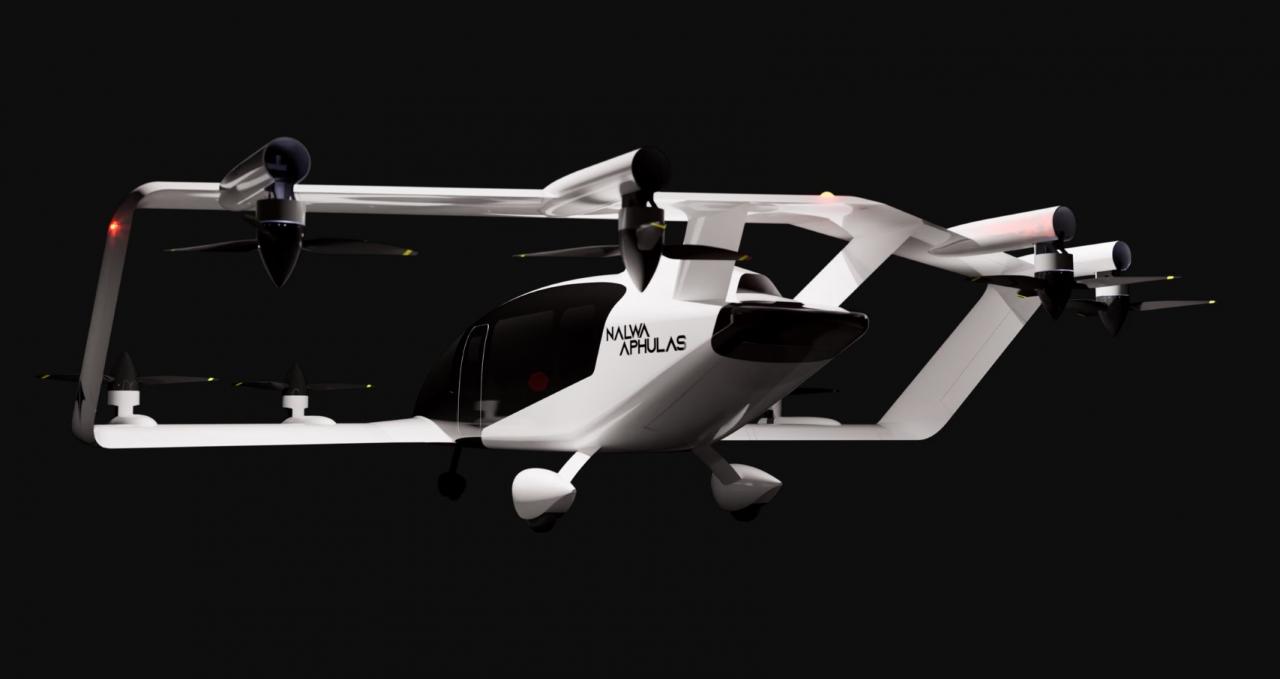
From a strategic lens, India’s leap into eVTOL design aligns with global trends in green aviation and positions domestic players to compete in a future where electric flight may play an integral role in urban mobility. That said, the road from design approval to safe, reliable, mass commercial service is long — requiring technological maturity, regulatory evolution, infrastructure rollout, and public acceptance.
In sum: Nalwa Aero’s DOA achievement marks a watershed moment in India’s aviation history. But it is just the beginning of a journey — one that could reshape how Indians move, vertically and swiftly, in the years ahead.