
Here is a concise overview of Nissan Motor India Pvt. Ltd.’s export milestone—“1.2 million units”—along with key context and implications:
Milestone Achievement
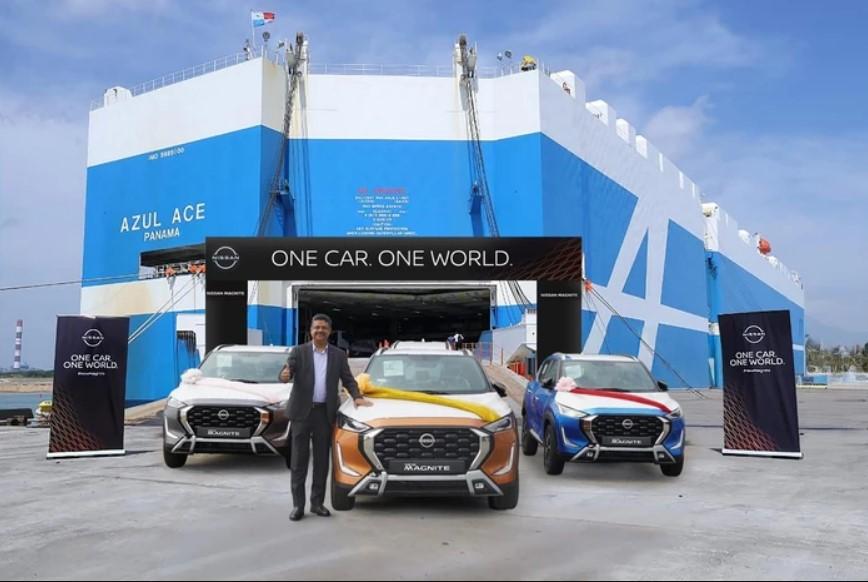
Nissan India’s manufacturing hub at its Renault‑Nissan Automotive India Pvt. Ltd. (RNAIPL) facility near Chennai commenced exports in September 2010. As of July 2022, the company announced it had crossed the 1 million-unit export mark, dispatching vehicles to 108 countries from India.
By mid-2024, the cumulative exports stood at approximately 1.1 million units. A recent report noted the plant has “produced over 2.8 million vehicles — including 1.2 million exported to more than 100 countries.” This suggests that Nissan India is closing in on—or has already achieved—the 1.2 million export-units milestone.
Why This Matters
- “Make in India, Make for the World” – The export milestone underlines India’s role as a global manufacturing base for Nissan, not just a domestic market.
- Global footprint – From its base near Chennai, Nissan India serves markets spanning the Middle East, Africa, Latin America, South-East Asia, Australia, and New Zealand.
- Economy & employment – Achieving such volumes reflects the competitiveness of Indian production, supply-chain integration, and port/export infrastructure supporting the auto sector.
- Brand & product validation – A global OEM entrusting India for large-scale exports implies that manufacturing standards, component sourcing, logistics, and quality meet global benchmarks.
Key Enabler: The Facilities & Process
- The Chennai-based RNAIPL complex is a joint venture of the Renault-Nissan alliance and is designed to cater to both domestic and export markets.
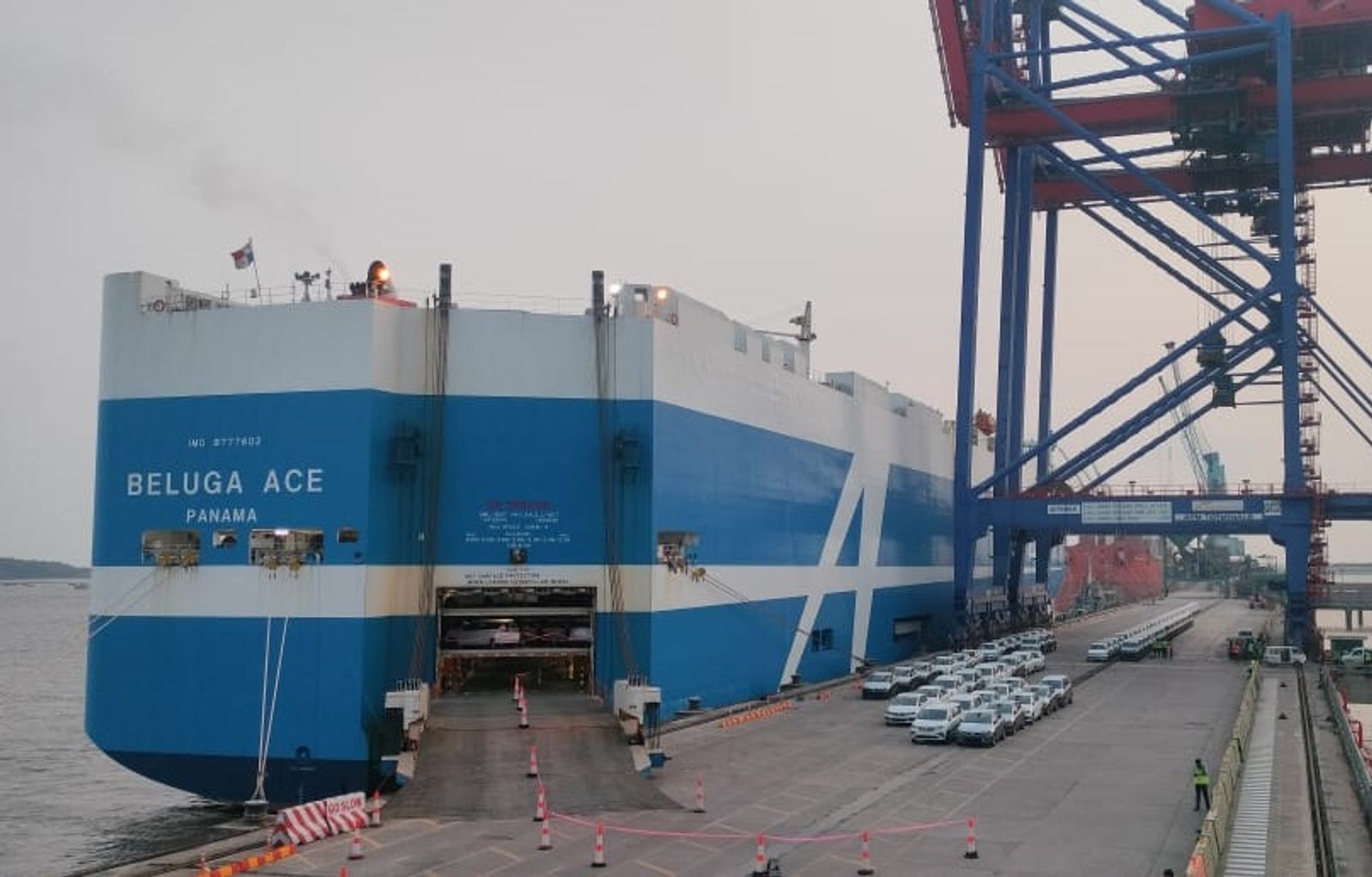
- The export mechanism leverages Ro-Ro (roll-on/roll-off) shipping from the Kamarajar/Ennore port, connecting vehicles manufactured in India to global destinations.
- A strategic product like the Nissan Magnite sub-compact SUV – developed in Japan, manufactured in India – has played a significant role in export volumes.
Strategic Implications & Future Outlook
- Capacity Utilisation & Scalability: The reference to “over 2.8 million vehicles produced … including 1.2 million exported” indicates that the plant has substantial throughput and could scale further.
- Product Pipeline & Market Diversification: With exports now crossing the million-unit mark, Nissan India is in a strong position to leverage new models, especially SUVs and electrified vehicles, for both domestic and overseas markets.
- India as a Hub for Global Markets: This milestone reinforces India’s role in Nissan’s global manufacturing and export strategy, beyond merely serving the local Indian market.
- Competitive Advantage: Achieving such export levels suggests that India’s cost structure, supplier ecosystem, logistic links, and labour productivity are sufficiently competitive for global OEMs.
- Challenges Ahead: Sustaining and growing export volumes will require navigating global trade dynamics, currency volatility, logistics disruptions, evolving product mix (e.g., electric vehicles), and ensuring the Indian facility continues to upgrade quality and cost metrics.
Summary
Reaching the cumulative export mark of around 1.2 million units is a significant milestone for Nissan India. It validates India’s manufacturing credentials, strengthens Nissan’s global supply-chain strategy, and highlights the importance of high-volume, globally competitive vehicle production from India.
Going forward, the challenge will be to maintain momentum, expand product scope (including new models and EVs), and deepen export penetration in emerging as well as established international markets.