
Nissan has initiated a massive safety recall of over 480,000 vehicles across the U.S. and Canada owing to a potentially serious engine failure risk.
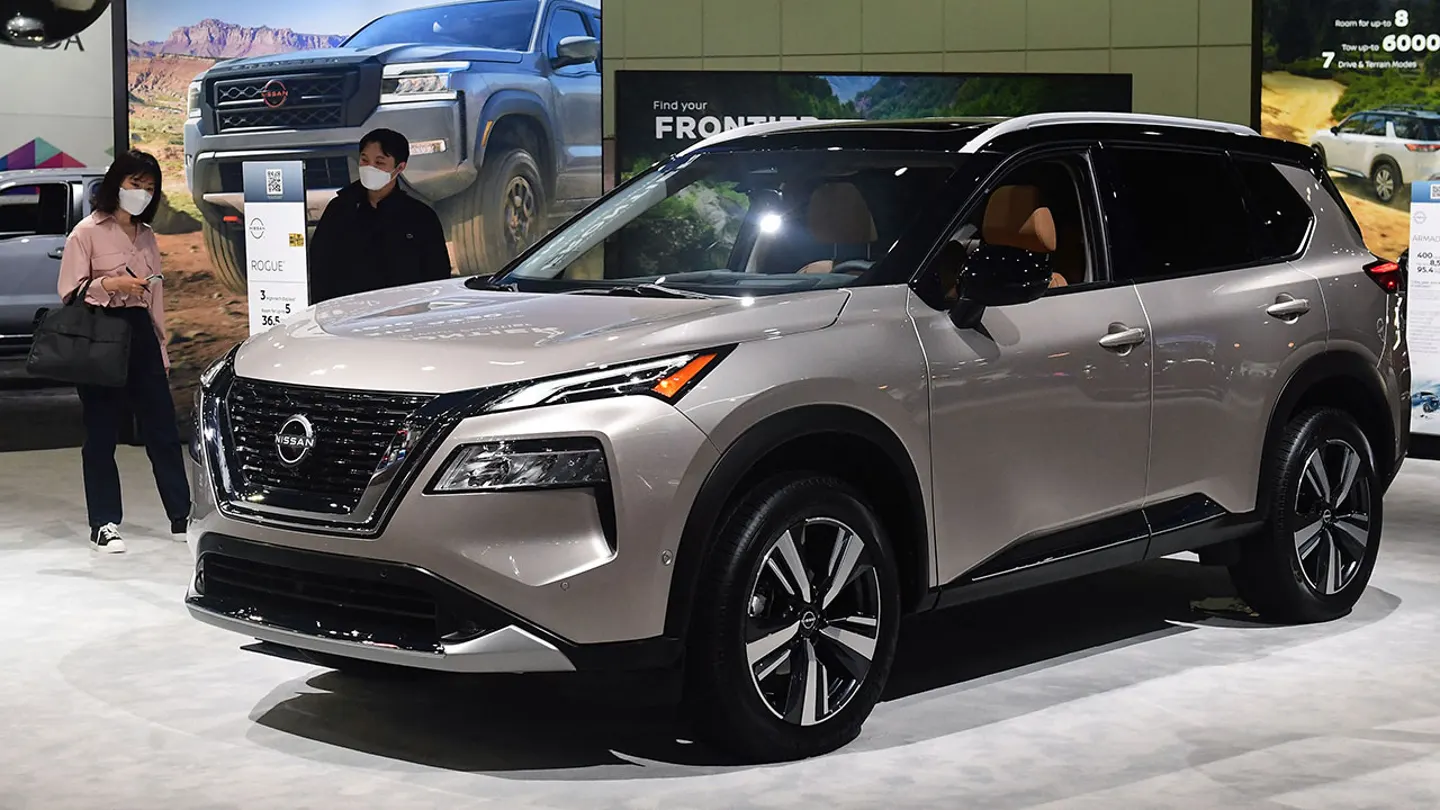
The issue traces back to a manufacturing defect in the VC‑Turbo engine bearings, found in certain 1.5 L three‑cylinder and 2.0 L four‑cylinder powerplants. These bearings may degrade over time, allowing metal debris to circulate in the engine, which could cause the engine to stall or seize while driving, significantly raising the risk of a crash.
- Steps To Check Your EV Battery
- Gas Car vs. Electric Car
- Different Types of EV Batteries
- You Should Know About EV Batteries
- Best Affordable Electric Cars
- One-Pedal Driving in Honda Hybrid
- Types of Electric Cars
Nissan Recalls More Than 480,000 Vehicles Over Engine Failure Risk
What’s the scope of the recall?
- Total affected: Around 443,899 vehicles in the U.S. and 37,837 in Canada, bringing the total to over 480,000 units.
- Reported defect rate: Approximately 1.2 % of the recalled units are estimated to be at risk.
Which Models are Involved?
- Nissan Rogue: model years 2021–2024.
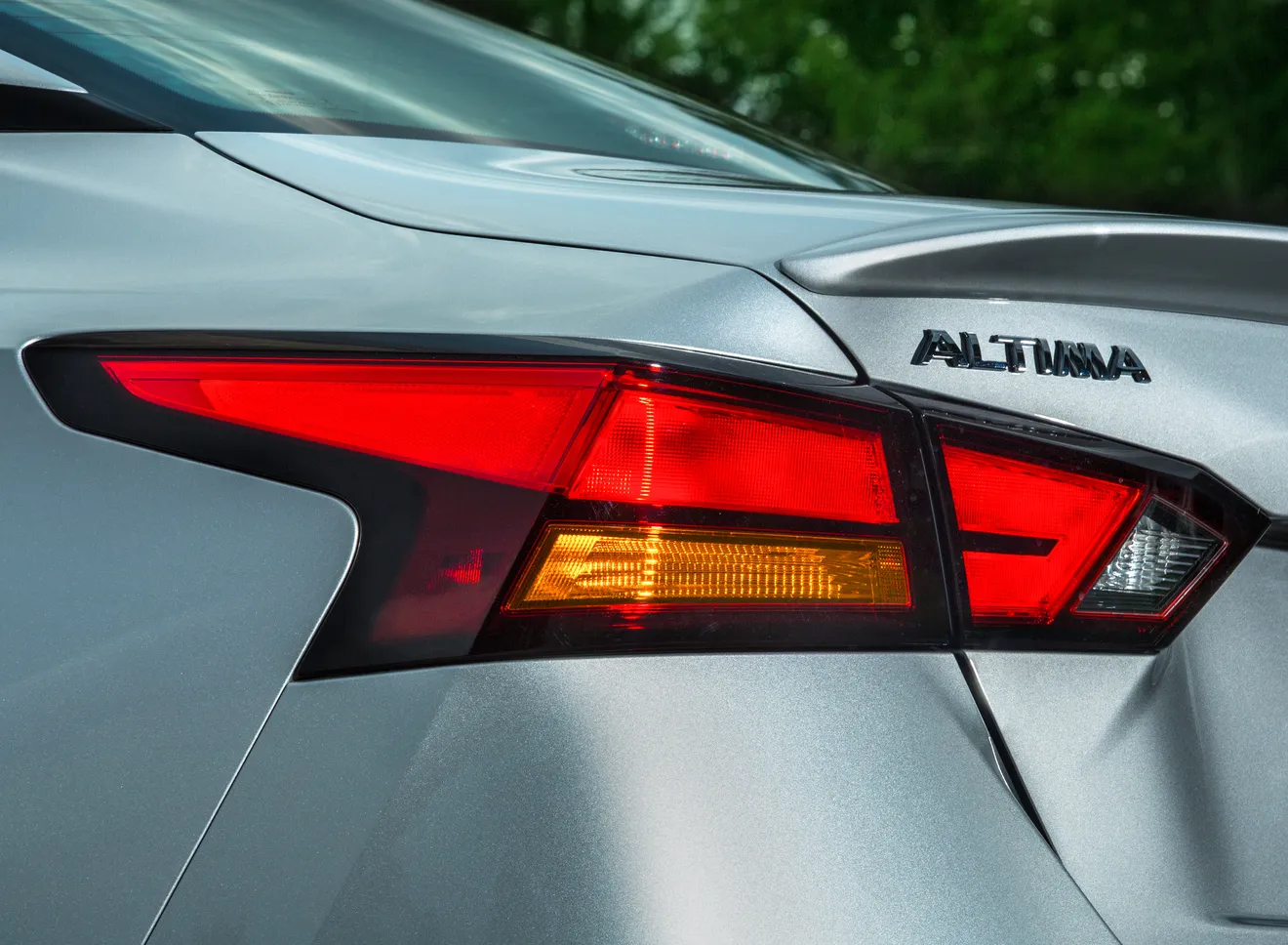
- Nissan Altima: model years 2019–2020.
- Infiniti QX50: model years 2019–2022.
- Infiniti QX55: model year 2022.
These vehicles use either the 1.5‑L three‑cylinder KR15DDT or the 2.0‑L four‑cylinder KR20DDET VC‑Turbo engines, known for their innovative variable compression ratio design.
What is the problem?
- Manufacturing defect in engine bearings: Nissan and the U.S.
- Potential consequences: Bearing wear can generate metal fragments and increase friction and heat within the engine. This may result in:
- Abnormal engine noise
- Rough idling or stumbling
- Malfunction Indicator Light (MIL) or other dashboard warnings
- In the worst cases, engine failure or seizure while driving raises the risk of an accident.
Owners might experience warning symptoms well before catastrophic failure, offering a window for proactive repair.
🔧 How is Nissan fixing the issue?
Nissan has collaborated closely with the NHTSA to establish a comprehensive multi-step inspection and repair plan, all at no cost to the vehicle owner.
1. Dealer inspection
- Oil pan examination – Technicians will remove the engine oil pan to inspect for metal debris or shavings, clear signs of bearing damage.
2. What happens next depends on the findings
If metal debris is detected:
- Engine replacement: The entire engine will be replaced, as damage from bearing failure is often irreversible.
If no debris is found, the remedy varies by engine type:
- 1.5‑L three-cylinder engines (KR15DDT):
- Replace the oil pan gasket
- Change engine oil
- Reprogram engine control module (ECM) – possibly updating engine parameters to better protect against stress on bearings.
- 2.0‑L four-cylinder engines (KR20DDET):
- Replace engine oil
(No gasket or ECM reprogramming involved, assuming no debris is present.)
- Replace engine oil
3. Communication & scheduling
- Dealer notification: Starting July 15, 2025, dealers will receive service instructions and parts alerts to start inspections.
- Owner notification: Letters will be mailed beginning August 22–25, 2025, directing owners to schedule free inspections and repairs at Nissan or Infiniti dealerships.
- Cost: Inspection, parts, labor—fully covered by the manufacturer. No payment required from the owner.
4. Confirming your vehicle is affected:
- Use the NHTSA recall lookup or Nissan’s official recall website.
- Owners can also call Nissan Customer Service (800‑647‑7261) or Infiniti Customer Service (1‑800‑662‑6200) for verification.
🛡️ Why this matters
- Safety first: Engine immobilization while driving can be dangerous, especially at highway speeds. Bearing failure and engine seizure directly raise crash risk.
- Early warning system: Signs like odd noises or dashboard alerts can give owners time to act before a breakdown.
- Reputation risk: This recall adds pressure on Nissan’s product integrity, particularly as its innovative VC‑Turbo engine (KR series) has been under NHTSA scrutiny since at least late 2023 for other engine seizure cases.
🗂️ Background on VC‑Turbo Engines
- Nissan’s KR-series VC‑Turbo engines—the KR15DDT (1.5 L) and KR20DDET (2.0 L)—feature groundbreaking variable compression technology offering both performance and fuel efficiency benefits.
- However, NHTSA opened a broader investigation in December 2023 into engine failures, including engine knock and metal debris, across these powerplants, predating this recall.
- Nissan has since claimed it “is attempting to address these failures by changing their manufacturing process”.
✅ What owners should do
- Check status using VIN and recall lookup tools.
- Watch for symptoms—engine noise, rough idle, MIL, etc.
- Wait for notice—dealers will be contacted by mid-July, owners by late August 2025.
- Schedule service promptly to avoid complications or breakdowns.
- Document all communications and repairs for your records.
🧭 Summary
- Nissan is executing its largest U.S./Canada engine recall in years—a total of nearly half a million vehicles—to proactively manage risk associated with VC-Turbo engine bearing defects.
- Their solution: Inspect, then repair or replace based on the presence of metal debris, garnering customer safety and reassurance.
- Owners of affected Rogue, Altima, Infiniti QX50/QX55 models should expect official letters by late August 2025 and be ready to take their vehicles in for free inspections and remedies once notified.
If you own one of the listed models, don’t wait: confirm your vehicle’s inclusion, watch for early signs, and be ready to schedule repairs. Nissan has acknowledged the issue and is taking comprehensive steps to resolve it, ensuring VC‑Turbo engine owners can drive with confidence once again.