
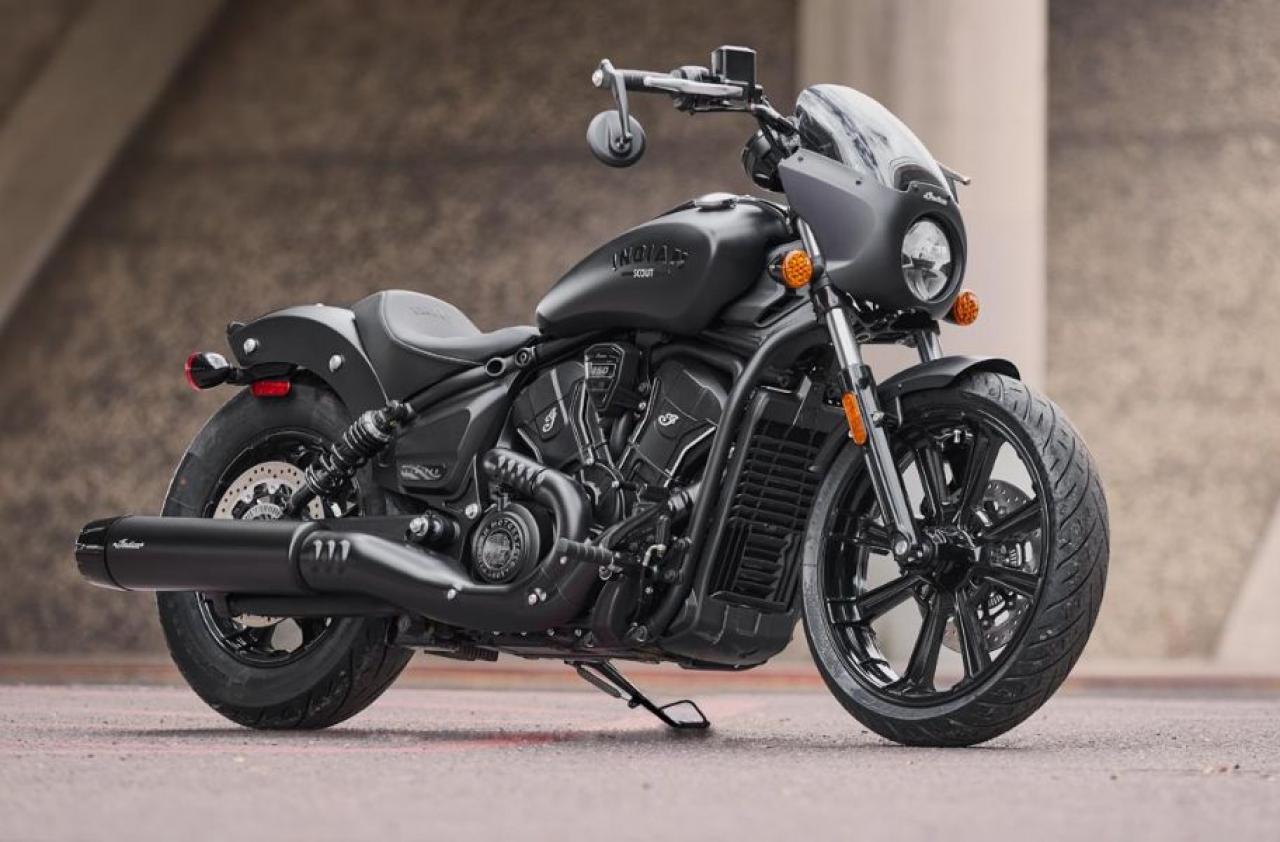
Here is a write-up on Polaris’s decision to sell a majority stake in Indian Motorcycle. In October 2025, Polaris Inc. announced that it would spin off its Indian Motorcycle division into a standalone company by selling a majority stake to private equity firm Carolwood LP.
Under the agreement, Polaris will retain a minority equity interest, and the transaction is expected to close in the first quarter of 2026, subject to customary closing conditions.
Rationale & Financial Implications
Polaris frames the move as a sharpening of strategic focus. By separating Indian Motorcycle, the company aims to free up capital and managerial focus to reinvest in its higher-growth, core areas like off-road and powersports vehicles.
From a financial standpoint, Polaris expects the divestiture to be accretive to both its adjusted EBITDA and earnings per share (EPS). According to its press release, the deal should boost adjusted EBITDA by about US $50 million annually and increase adjusted EPS by approximately US $1.00 per share.
Indian Motorcycle has been a modest part of Polaris’s revenue mix: over the trailing twelve months ending June 30, 2025, it contributed around US $478 million, or about 7% of Polaris’s total revenue. Given this relatively small contribution, Polaris appears to have judged that the opportunity cost of dedicating capital and executive bandwidth to the motorcycle business outweighed the benefits.
Following the announcement, Polaris stock surged over 10% in premarket trading, reflecting investor approval of the move. Analysts also responded positively. For instance, Roth Capital raised its target price on Polaris stock from $41 to $54, citing the anticipated financial uplift.
Operational & Transition Plans
To facilitate a smooth transition, about 900 employees will shift from Polaris to the newly independent Indian Motorcycle entity. Key manufacturing and design facilities—including those in Spirit Lake, Iowa, and Monticello, Minnesota, as well as Indian’s design and technology center in Burgdorf, Switzerland—will move under the new company.
Polaris will continue to support Indian Motorcycle through the transition, maintaining continuity with dealers, service networks, and customer relationships. Until the deal closes, Polaris’s President of On Road and International, Mike Dougherty, will continue overseeing Indian’s operations. He has announced his intent to retire once the separation is finalized.
Carolwood has named Mike Kennedy as the future CEO of the independent Indian Motorcycle entity. Kennedy brings more than three decades of industry experience, including tenures at Harley-Davidson, performance parts manufacturer Vance & Hines, and powersports retail group RumbleOn.
Challenges & Risks
While the deal has been generally welcomed, it is not without risk:
- Execution risk
The separation must be managed carefully—from legal, operational, and financial perspectives—to avoid disruption, especially in supply chains, dealer relationships, and internal systems. - Performance expectations
The projections of $50 million in EBITDA uplift and $1 EPS are estimates. If Indian Motorcycle underperforms or the costs of separation are higher than expected, the accretion may underdeliver. - Market dynamics in motorcycles
The motorcycle business is highly competitive and capital-intensive. Indian will now face the full pressures of market volatility, shifting consumer trends, regulatory compliance (e.g., emissions), tariffs, and competition from incumbents such as Harley-Davidson. - Dependence on Carolwood’s support and capital
As the majority owner, Carolwood’s commitment to long-term investment, strategic execution, and operational discipline will heavily influence Indian’s success. - Retention & talent risk
Transferring 900 employees is significant, but maintaining culture, retaining key leadership, and aligning incentives will be critical in the post-separation phase.
Implications & Strategic Significance
This move signals a clear strategic pivot by Polaris: to lean into its core strengths (off-road vehicles, powersports, marine) while freeing itself from the burdens of managing a challenging business segment in motorcycles. The decision also reflects current trends in corporate portfolio optimization, where companies divest non-core or underperforming assets to redeploy resources more effectively.
For Indian Motorcycle, the separation provides an opportunity to operate with agility, brand-focused leadership, and independence. Under Carolwood ownership, the brand may be better positioned to invest in product innovation, marketing, dealer relationships, and international expansion—with a singular strategic lens on motorcycle markets.
In the broader industry, this could unsettle dynamics. India might become a more aggressive competitor in heavyweight bikes, potentially recapturing market share from Harley or international premium brands. Alternatively, it may also open possibilities for partnerships, alliances, or further consolidation in the motorcycle space.
Conclusion
Polaris’s decision to sell a majority stake in Indian Motorcycle represents a bold rebalancing of priorities. While Indian has been an important part of Polaris’s identity in the on-road motorcycle space, its modest contribution and capital demands made the divestiture an attractive option.
The expected financial benefits, combined with the operational focus for both entities, have won investor favor so far. The key to success will lie in executing the separation cleanly, enabling Indian Motorcycle’s growth under new ownership, and ensuring Polaris reinvests the freed resources in high-potential areas.