
Launch and Pricing
Porsche has officially launched the all-electric Cayenne Electric in India, with the base variant priced at ₹ 1.76 crore (ex-showroom). The higher-spec Turbo Electric Version is priced at around ₹ 2.26 crore (ex-showroom).
Bookings are open now, and deliveries are slated for the second half of 2026.
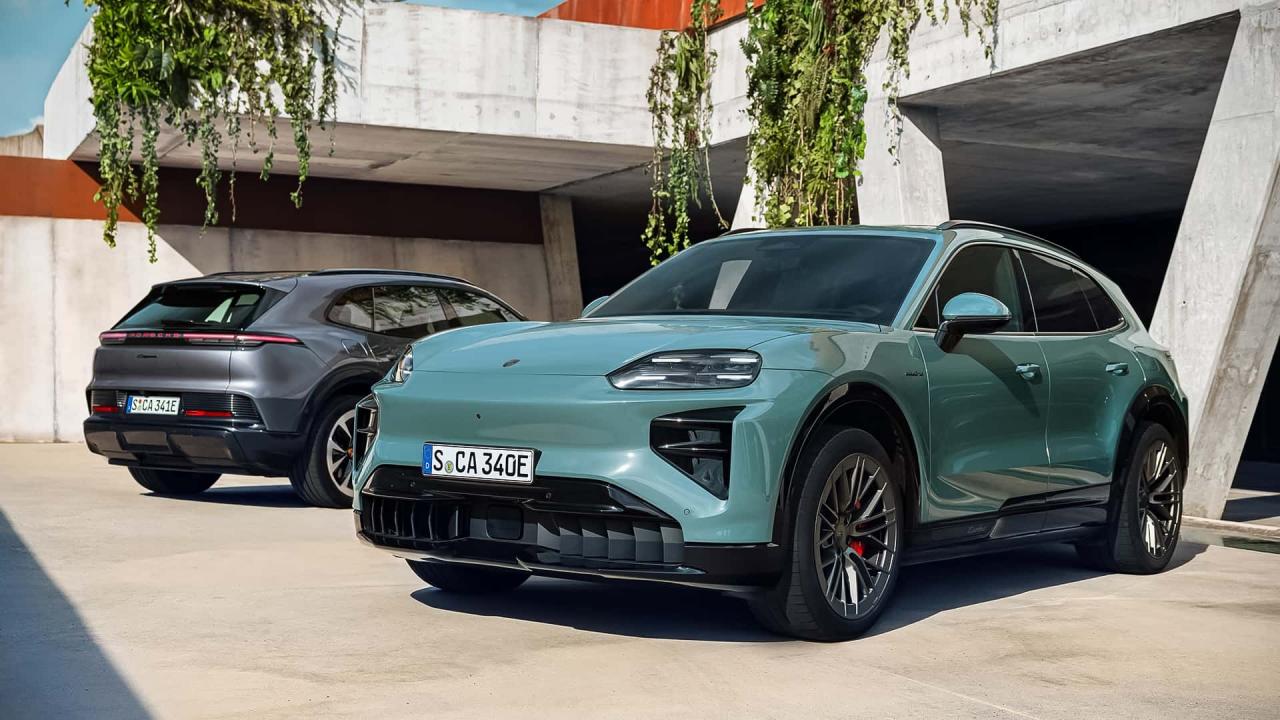
Variants & Key Specifications
The Cayenne Electric is offered in two main trims in India:
- Cayenne Electric (Standard) – 113 kWh battery, dual-motor all-wheel-drive (AWD). Produces ~408 hp and 835 Nm of torque. It accelerates from 0-100 km/h in about 4.8 seconds, with a top speed of ~230 km/h. Claimed WLTP range is ~642 km.
- Cayenne Turbo Electric – Also uses the 113 kWh battery and dual-motor AWD but tuned for extreme performance: ~1,156 hp and 1,150 Nm of torque, 0-100 km/h in just ~2.5 seconds, top speed ~260 km/h. Claimed WLTP range is ~623 km.
All You Need To Know:
- 1,139 BHP
- 2.5s 0-100 kmph
- 642 km Range | 113 kWh Battery
- 400 kW Charging
- Wireless Charging
- AWD Standard
- Rs 1.76 crore – Base
- Rs 2.26 crore – Turbo
Powertrain & Charging Technology
The vehicle uses an 800-volt electrical architecture, which enables very fast DC charging — up to ~390 kW (and under ideal conditions close to ~400 kW), allowing a 10-80% charge in under ~16 minutes.
A Standout Feature: it is the first Porsche to offer an optional 11 kW wireless charging system, letting the vehicle charge simply by parking over a compatible pad. Also, braking regeneration is claimed to be very strong: the Turbo variant can recuperate up to ~816 hp during braking, and around 97% of braking could be handled by the motors.
Design, Dimensions & Interior
Visually, the Cayenne Electric retains the familiar silhouette of the Cayenne ICE model but brings EV-specific design cues: a blanked-off front grille, functional air vents for cooling the battery and electronics, active aerodynamic lower bumper vents, and a full-width LED light bar at the rear with illuminated “Porsche” lettering.
In terms of size, the electric Cayenne is 55 mm longer than the combustion version, and its wheelbase is longer by 130 mm (now 3,023 mm), which helps cabin space and ride comfort.
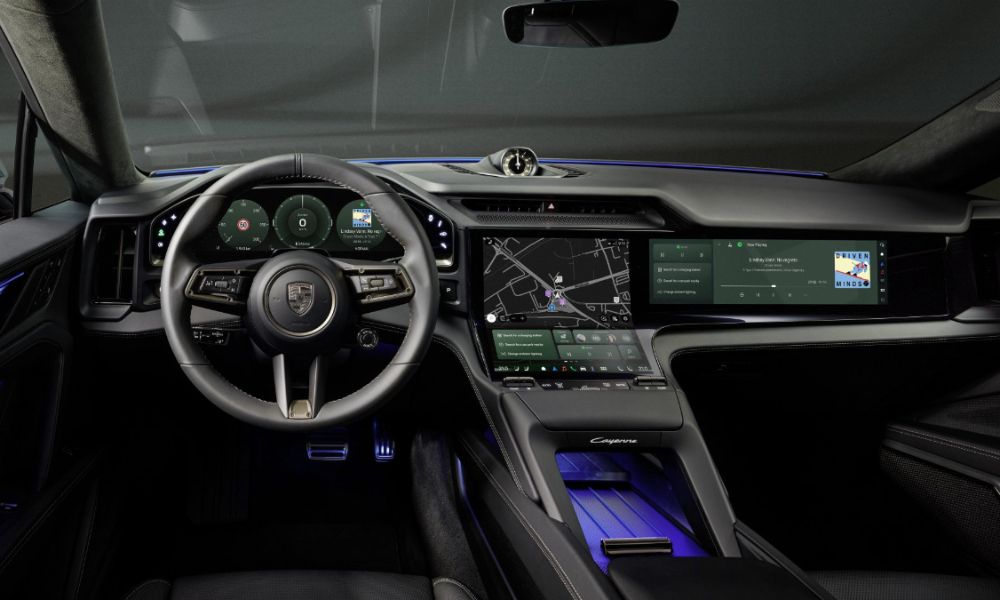
Interior highlights include a new curved 14.5-inch central touchscreen, optional 14.9-inch passenger display, an AR-enabled head-up display, and high-end amenities (4-zone climate, ventilated seats, panoramic sunroof, premium audio systems). Practicality isn’t neglected: there’s a ~90-litre front “frunk” storage and a 781-litre boot (expandable to 1,588 litres with rear seats folded).
Driving Dynamics & Thought Behind It
Porsche emphasises that this model isn’t just about luxury or quiet EV commuting — it brings supercar-level performance in an SUV form. The Turbo variant in particular is positioned as the most powerful production Porsche to date (at least in its announced spec).
Features such as adaptive air suspension (standard), optional rear-axle steering (which lets the rear wheels steer by up to 5° for better agility in tight spaces), and high-speed electronics cooling underscore that Porsche aims for a sporty yet premium driving experience. For India, this means the luxury and performance niche EV segment gets a serious contender — one that blends Porsche’s performance heritage with electrified technology.
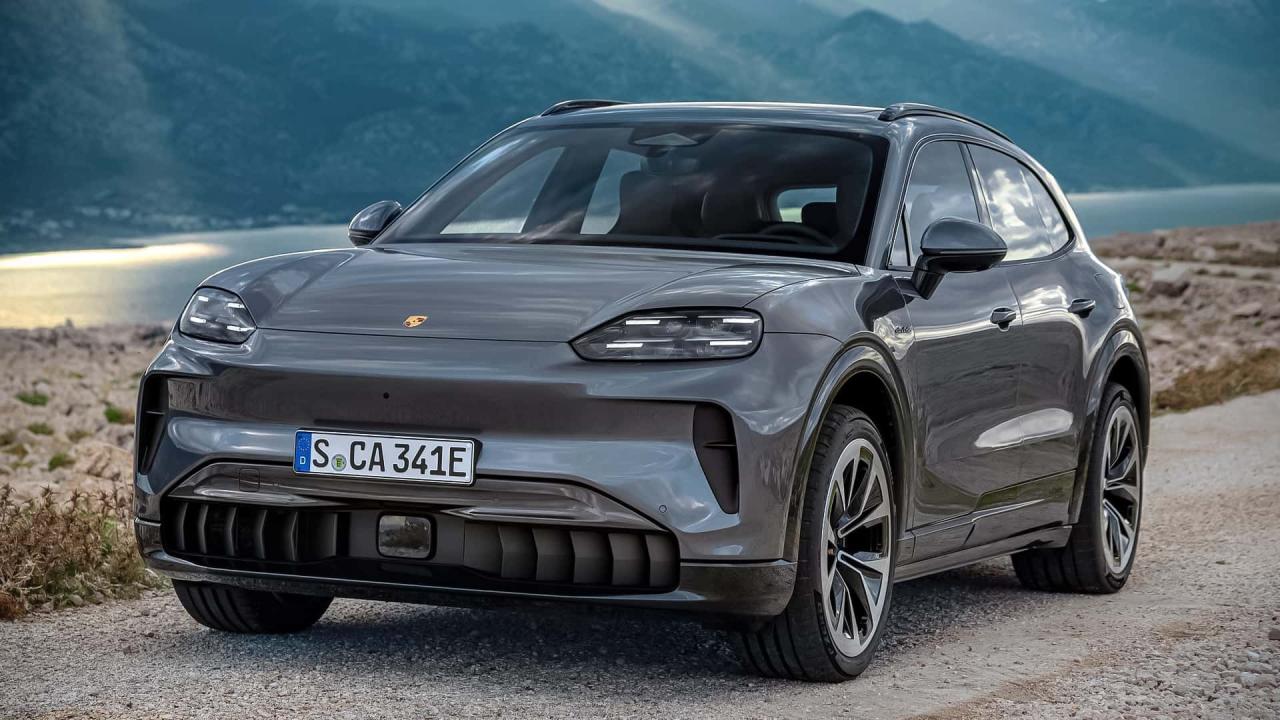
Positioning & Market Context
In India, the pricing puts the Cayenne Electric at the ultra-premium end of the electric SUV space. Given the ex-showroom starting price of ~₹ 1.76 crore (and higher for on-road), it is targeted at wealthy buyers seeking brand prestige, performance EV credentials, and exclusivity.
It will compete with other premium electric SUVs like the BMW iX and the Audi Q8 e‑tron (though direct performance comparisons may differ) and emphasises Porsche’s commitment to EVs even in markets like India. The arrival signals a shift for Porsche’s SUV line into full-EV territory domestically.
Implications For India & Buyer Takeaways
- The bookings being open now and deliveries in H2 2026 suggest that prospective buyers will have to wait, giving time to consider infrastructure, support, charging network, etc.
- The ultra-fast charging capability is impressive on paper, but real-world charging infrastructure in India will be a key factor in usability.
- Operational Costs: Being a full EV, running costs (fuel equivalent) will be lower than combustion versions; however, premium servicing, insurance, and rare parts may offset that.
- Resale and long-term value in India may still be uncertain for such high-end EVs, so buyers should factor that in.
- Given the price and exclusivity, for buyers, this is as much a statement of lifestyle and brand as a vehicle — performance and luxury are central.
Conclusion
The Porsche Cayenne Electric brings together Porsche’s SUV expertise with advanced EV technology: high-end performance, luxury, a tech-rich cabin, and premium positioning. With a starting price of ₹ 1.76 crore in India, it’s clearly aimed at the top-tier luxury market.
For those who value brand heritage, performance EV cred, and exclusivity, it delivers compelling specifications. Yet, prospective buyers must weigh the realities of charging infrastructure, ownership costs, and long-term value in the Indian market.