

Renault & Nissan Launch Creta: Here’s what’s cooking at the Renault–Nissan camp for India: a coordinated SUV blitz aimed squarely at the country’s two hottest battlegrounds—the midsize, Creta-led segment and the three-row, XUV700-class arena.
Over the next 24 months, the alliance is lining up four fresh SUVs (two Renaults, two Nissans) that will collectively challenge the Hyundai Creta/Kia Seltos on one side and the Mahindra XUV700/Tata Safari/Hyundai Alcazar on the other. Think of it as a tag-team return to form, backed by a rejigged partnership structure, fresh investment, and a sharpened India-first product plan.
The “Creta rival”: New Renault Duster (and Nissan twin)
The headline act in the midsize space is the all-new Renault Duster—now in its latest generation globally and confirmed for an India launch. Multiple reports and recent coverage point to the new Duster reaching Indian showrooms in FY2026 Q1 (i.e., early 2026), with the expected India-spec makeover including a new design language, updated interior tech, and turbo-petrol powertrains. In line with global spec, expect modern safety tech and the potential for advanced driver assistance features—areas where the segment keeps moving the goalposts.
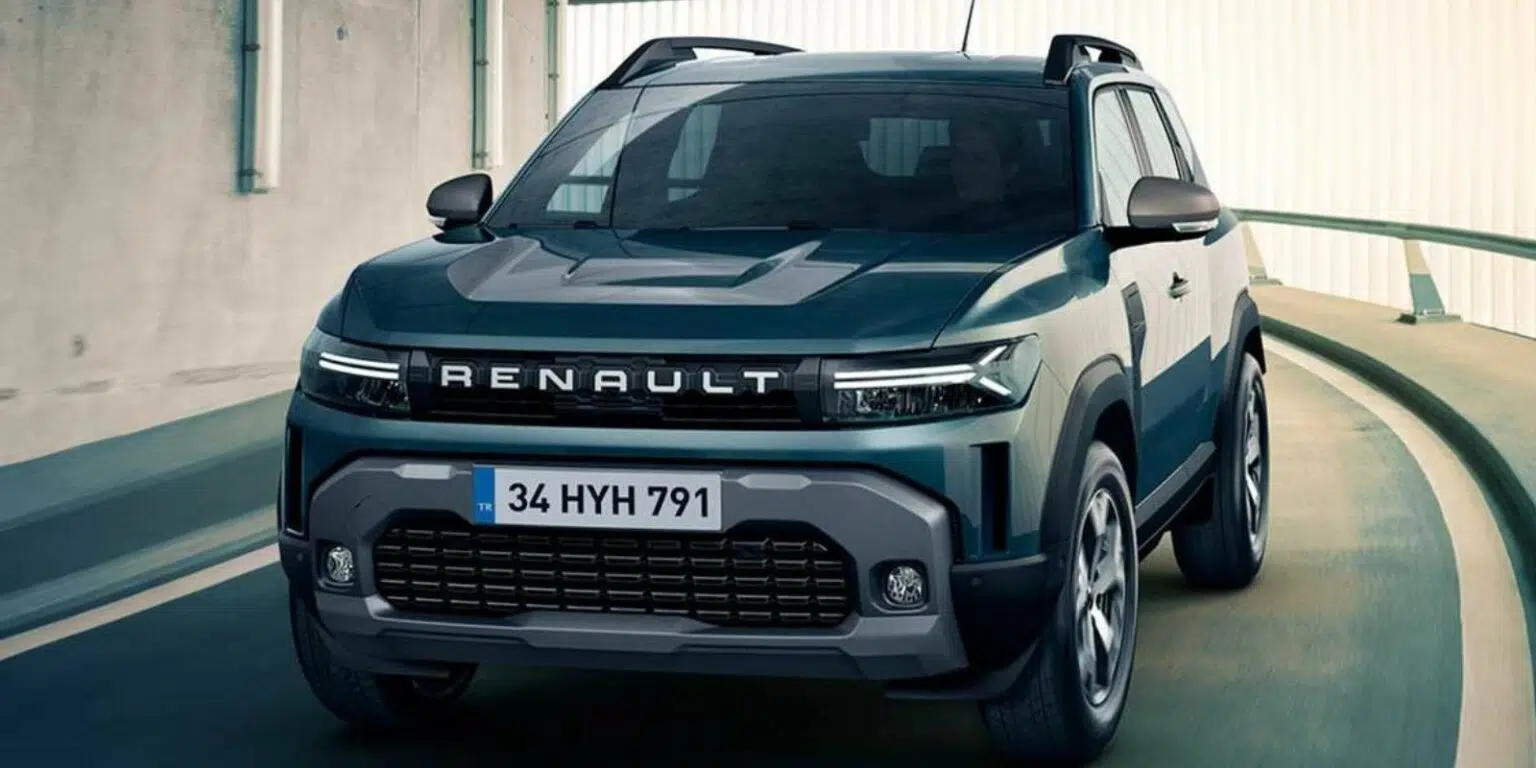
Nissan will roll out its own version of this C-segment SUV on the same architecture. The brand has already reconfirmed its India product offensive: a new C-SUV is scheduled for a mid-2026 debut. This Nissan twin will share the fundamentals (platform, hard points) while wearing brand-specific styling, tuning, and feature mix aimed at widening the alliance’s coverage of the segment.
The “XUV700 Rival”: Bigger 3-Row SUVs
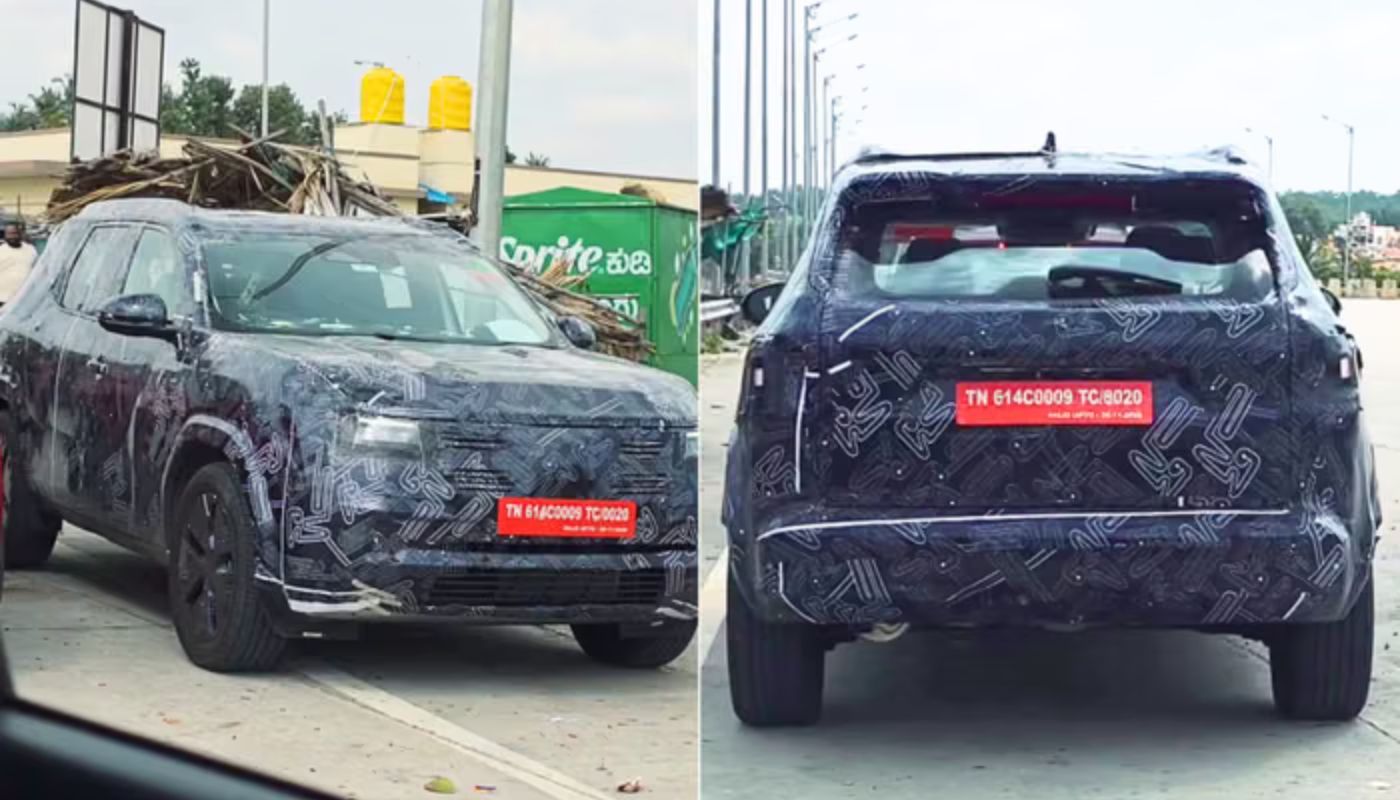
Above the Creta class, Renault is preparing a larger, three-row SUV—widely associated with the “Bigster/7-seat Duster” project for India. Timelines repeatedly cluster around mid-2026 for the Renault 7-seater, positioning it directly against the Mahindra XUV700 and Tata Safari, as well as Hyundai’s Alcazar. Expect the packaging to major on usable three-row space, family-oriented comfort and features, and value-led pricing to punch into a segment where feature content and safety tech are fierce differentiators.
Nissan’s corresponding 7-seat derivative is slated to follow thereafter, with reporting indicating an early-2027 on-sale window. Strategically, staggering the launches lets the alliance stay in the headlines and fine-tune positioning versus fast-moving rivals while ramping local supply chains.
Why Now? Investment, Strategy, and a Reshaped Alliance Footprint
This SUV wave isn’t happening in a vacuum. The alliance publicly renewed its India commitment with a ~$600 million (₹5,300 crore) program supporting six new locally built models (including EVs) and explicitly highlighting four new C-segment SUVs for India and exports. That product roadmap is the bedrock for the Duster/twin and the larger three-row pair.
Operationally, Renault has since moved to take full ownership of the Chennai manufacturing plant (RNAIPL), acquiring Nissan’s remaining stake in March 2025. The change streamlines decision-making and capacity planning just as the SUV launches ramp up.
In parallel, Reuters reporting notes Renault’s plan to lift plant utilization from roughly half to as high as 80–100% as the new models arrive, while using India as a competitive export base. That matters for cost, volumes, and pricing power—three levers that can decide who wins tight segments like these.
Nissan, for its part, has reaffirmed fresh India investment and a multi-model pipeline even after the plant-ownership reshuffle—another sign that the product cadence (and not just governance structure) is the real story for customers.
What to Expect in the Metal
Design & packaging: The new Duster’s global design is blockier and more purposeful than its predecessor, with straight-edge surfacing, tough cladding, and a cabin that prioritizes durability without skimping on screens and connectivity. Expect Renault India to localize the look with familiar brand cues. Nissan’s version will lean into its V-motion vocabulary, LED signatures, and a slightly different dashboard/UX flavor to create daylight between the siblings.
Powertrains: In India, the sensible money is on turbo-petrol engines (including the alliance’s 1.3-liter unit) with manual and automatic options; diesel isn’t a given in BS6 Phase-II, and hybrids/strong-hybrids remain possible but unconfirmed for local spec. The alliance has kept engine details close to the vest for India, so treat hybrid/AWD chatter as provisional until officially stated. (Global reports for the platform support multiple powertrains, but final Indian configurations are yet to be announced.)
Features & safety: To go toe-to-toe with segment leaders, expect 6 airbags, ESP, 360° cameras, connected-car tech, a larger infotainment stack with wireless smartphone integration, and an ADAS starter pack (adaptive cruise/lane features) on higher trims. The three-row models will likely add captain-seat configurations, panoramic sunroofs, layered storage, rear climate control zones, and robust crash-structure upgrades to meet increasingly safety-savvy buyers.
Positioning and Price Bands (what we can infer today)
Pricing will be decisive. The Creta class spans roughly ₹11–22 lakh ex-showroom, depending on brand and spec; a smartly priced Duster/Nissan twin—trading a bit of headline spec for value in lower trims and loading features in the top variants—could find clear air in the ₹12–20 lakh corridor.
For the larger, XUV700-class SUVs, indicative chatter has placed the Renault 7-seater’s window around mid-2026, with market watchers expecting aggressive opening stickers to undercut some rivals’ like-for-like variants. Some trackers peg the Bigster family’s India arrival around mid-2026 with pricing expectations starting in the low-to-mid teens (ex-showroom), though final numbers will depend on localization and feature sets. Treat those figures as directional until the brands announce them.
The Competitive Read
These launches land in a market that is both opportunity-rich and unforgiving. Creta and Seltos have entrenched themselves with high perceived quality, frequent updates, and ubiquitous service footprints; Maruti/Toyota have muscled in with hybrid efficiency stories; and MG/VW/Skoda keep pitching differentiated tech or dynamics. In the three-row space, the XUV700 and Safari have carved out strong value-to-size propositions, while Alcazar and others nibble with practicality and features. To win, Renault–Nissan must execute on three fronts:
- Freshness at launch — Arrive with segment-current screens, ADAS, safety kit, and interiors that feel “2026-ready,” not “2022-catch-up.”
- Variant logic — Use twin-brand strategies cleverly (Renault skewed to value/adventure, Nissan to tech/chic, for example) so the siblings don’t cannibalize each other.
- Ownership stack — Competitive warranties, reasonable service costs, and rapid parts pipelines are table stakes; a clear resale story helps too.
Timelines at a Glance (Based on Current Reporting)
- Renault Duster (5-seat, Creta rival): India launch targeted for early FY2026 (around early 2026).
- Nissan C-SUV (Duster twin): Mid-2026 launch planned.
- Renault 7-seater (XUV700 rival): Mid-2026 expected window.
- Nissan 7-seater derivative: Early 2027 expected.
That timeline fits the “next two years” frame now being discussed by auto outlets and aligns with the alliance’s six-model India plan. Together, these four SUVs give Renault–Nissan a laddered presence from value-packed midsize to family-oriented three-row—exactly where India’s growth is. If the brands hit the sweet spot on price, features, and service backup, this could mark the alliance’s most consequential India push since the original Duster’s breakout.
Note: Specs, names, and final pricing for India are pending official reveals; the details above reflect the best current reporting and official statements on product cadence and investment for the Indian market.