
Here’s an in‑depth analysis of “Stellantis Joins Growing List Of Hydrogen Mobility Retreats”, exploring the background, current developments, industry-wide implications, and what this pivot means for the future of mobility.
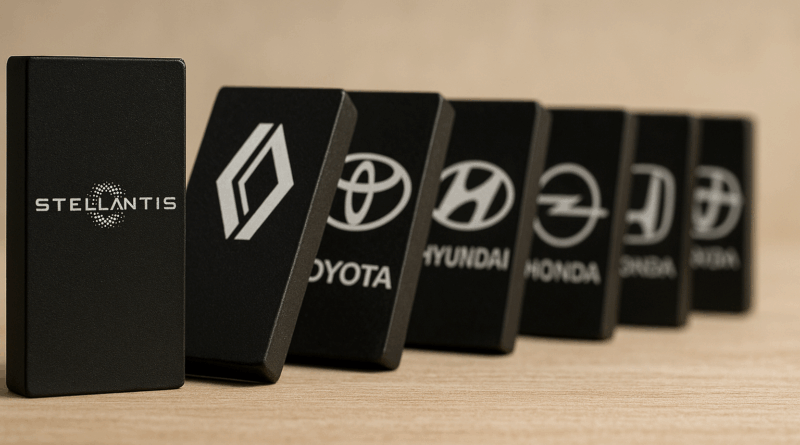
🚗 Background on Stellantis and Its Hydrogen Strategy
- Stellantis—formed in 2021 from the merger of FCA (Fiat Chrysler) and PSA Group—embraced hydrogen fuel-cell technology as part of its low-emission vision.
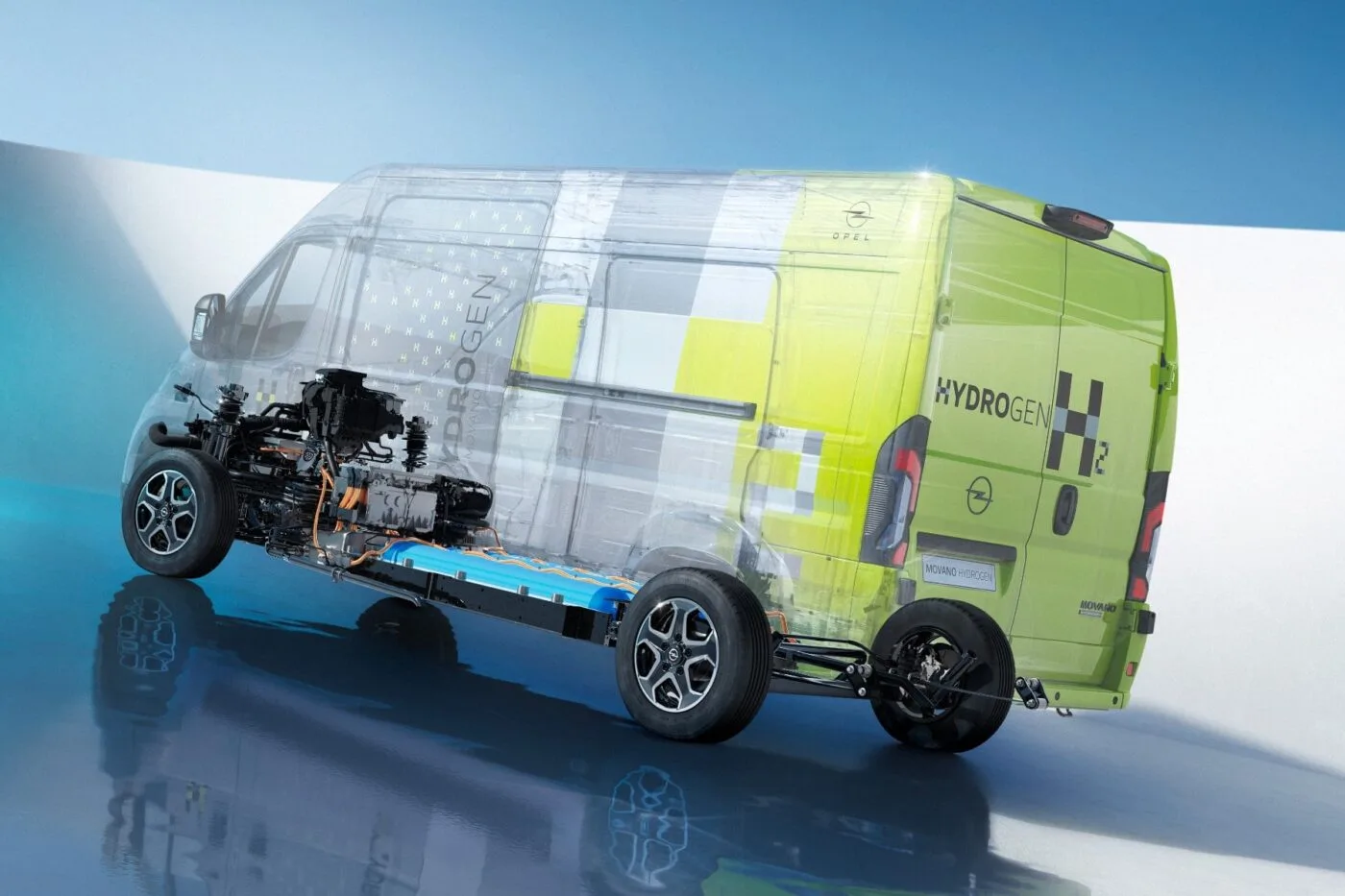
- In January 2024, the company launched eight new hydrogen fuel-cell electric van models, projecting up to 10,000 units by the end of that year. It also secured a 33% stake in Symbio, a key hydrogen fuel-cell supplier.
- The objective: position Stellantis as a European leader in zero-emission light commercial vehicles, leveraging massive policy support and infrastructure plans across Europe.
The Harsh Reality: Costs & Infrastructure
💸 A. High Costs
- Stellantis slashed the price of its Opel Vivaro HYDROGEN van by 40%, yet costs remained ~80% higher than similar battery-electric vehicles.
- Former CEO Carlos Tavares acknowledged that the costs of hydrogen vehicles were “prohibitively high” as early as April 2024.
🏗️ B. Infrastructure Shortfalls
- The EU’s Alternative Fuels Infrastructure Regulation envisioned widespread hydrogen refueling, but implementation lagged. Many nations, outside Germany, deemed it “nonsensical and expensive”.
Strategic Shifts: Leadership and Partnerships
- In late 2024, Carlos Tavares left his role. Although reasons were multifaceted, the retreat from hydrogen was a major contributing factor.
- Stellantis’ departure sends shockwaves through Symbio, which now faces uncertainty without its major investor‑customer.
A Wider Pattern: Hydrogen’s Troubled Mobility Record
Stellantis isn’t alone. A string of high-profile pullbacks is reshaping hydrogen mobility:
| Company / Initiative | Status | Key Issues |
|---|---|---|
| Renault’s “Hyvia” | Liquidated in early 2025 | Insufficient orders, lack of market demand. |
| Hype taxis (Paris) | Switched from H₂ to battery-electric | High costs, infrastructure immaturity. |
| Hyundai NEXO | Downscaled production targets | Weak sales; uncertain 2026 redesigned launch. |
| Toyota Mirai | Flagship but low consumer uptake | Even California users have complained/ protested. |
| Nikola | Bankrupt after the founder scandal | Fraud, unmet promises. |
| Universal Hydrogen, ZeroAvia | Startup aviation initiatives struggle | Funding issues and delays. |
| Ballard / Plug Power / FuelCell Energy | Chronic unprofitability | Billions in losses, reverse stock splits. |
These setbacks collectively emphasize persistent issues: hydrogen vehicles are more expensive, need large-scale infrastructure, and face sluggish demand, especially compared to rapid EV development.
Implications for Stellantis
✅ Short-Term
- Cost savings from halting hydrogen R&D and production.
- Increased allocation of resources toward battery-electric vehicles (BEVs) and potentially e‑fuel and other technologies with better traction.
🚧 Medium-Long-Term
- Symbio’s business outlook is dim, potentially weakening Stellantis’s H₂ supply chain.
- Stellantis risks regulatory and brand perception consequences if government incentives were tied to hydrogen deployment.
- They remain exposed to future fuels policy shifts, such as carbon taxes or zero-carbon mandates, meaning hydrogen could return—but only if economics and infrastructure catch up.
What This Signals for the Industry
Stellantis’ retreat acts both as confirmation and catalyst:
- Investor and OEM Shift Toward EVs
Capital flows are consolidating in battery-electric vehicle development, where total cost of ownership is trending down and deployment is surging. - Policy Reevaluation
The failure of the EU to deliver hydrogen infrastructure despite legislation may prompt a rethinking of subsidies and incentive designs. - Selective Hydrogen Usage
Hydrogen may survive in niche, hard-to-abate sectors—like trucking, industrial processes, and select aviation—where BEVs aren’t practical. For light vehicles and vans, it’s increasingly marginalized. - Innovation Redistribution
R&D and funding for hydrogen may refocus on green hydrogen via electrolysis and industrial uses, rather than passenger mobility.
Final Thoughts
Stellantis’ hydrogen retreat, announced in July 2025, is far from an isolated case. It reflects years of structural obstacles—high cost, deficient infrastructure, frugal demand—worthy of the broader industry’s attention. While hydrogen isn’t dead, its prospects in light commercial and passenger vehicles remain tenuous.
Moving forward, the question isn’t if hydrogen will return, but where it finds a sustainable economic and infrastructural footing. Stellantis, like many OEMs, is pivoting toward the clear road ahead: scalable, affordable, electric-first mobility.