
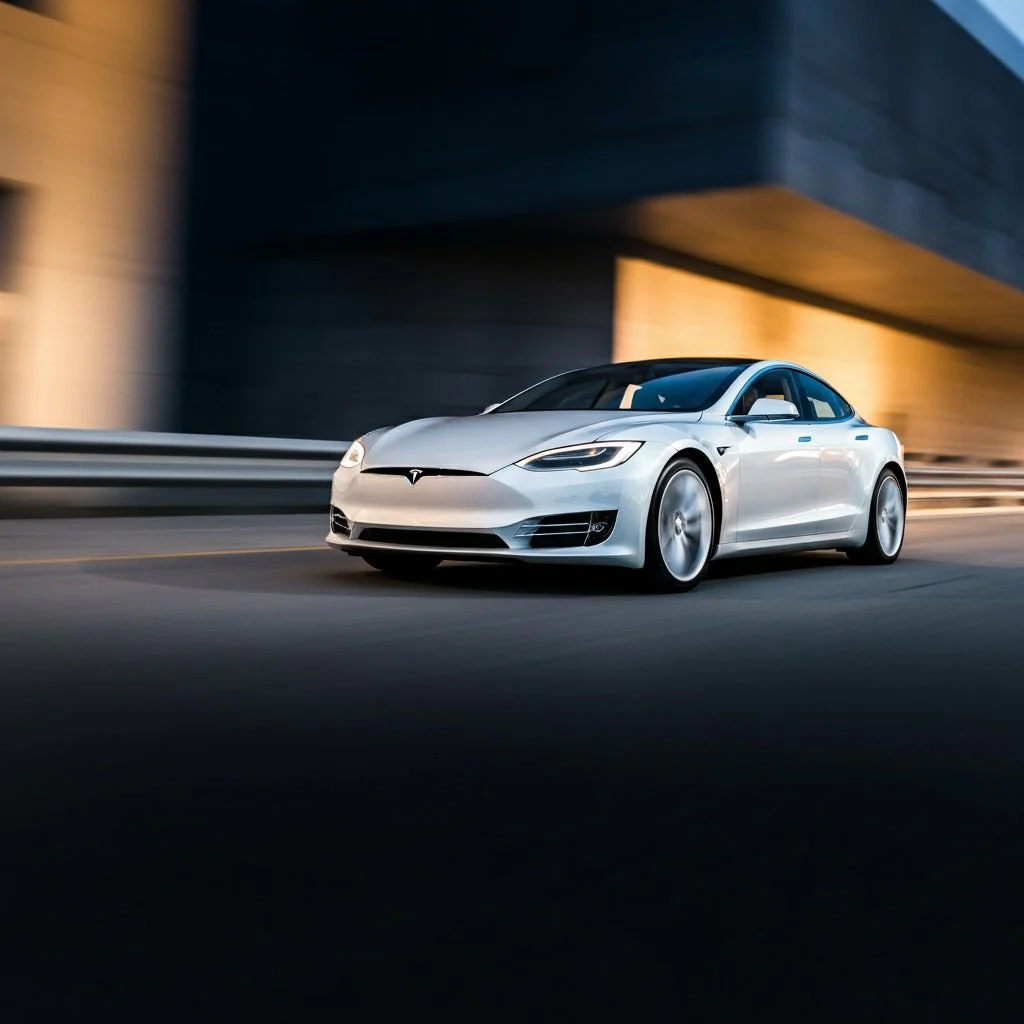
Tesla Begins Expanding Robotaxi Access to its highly anticipated Robotaxi Service, moving beyond the initial select group to invite everyday residents—particularly in Austin, Texas—to participate in its autonomous ride-hailing trial.
- One-Pedal Driving in Honda Hybrid
- Types of Electric Cars
- Electric Car Charging Time
- Volvo Electric Car Lineup
- Ford’s Electric Car Lineup
- Top 20 Trending Electric Cars
- Exploring the Hyundai Kona Electric
- Features of the Sony Honda Electric Car
- MINI Cooper SE: Electrifying Performance
What’s Happening Now?
Launch date & early access
-
The Robotaxi pilot began on June 22, 2025, in Austin with a small fleet of 10–20 Tesla Model Y vehicles fully outfitted with Full Self‑Driving (FSD) software.
-
The service operates within strict geofenced boundaries in central Austin, running daily from 6 a.m. to midnight Central Time.
-
Riders are currently paying a flat promotional fare of $4.20, hailed via the new Robotaxi section in the regular Tesla smartphone app.
Expansion To Residents
-
Initially limited to Tesla influencers, shareholders, and employees, Tesla has moved into “Phase 2” of the rollout: inviting more Austin-area residents to join the Early Access Program.
-
Interested users simply need to fill out the interest form on Tesla’s Robotaxi webpage—Tesla is selectively sending invites to those applicants.
How You Can Ride
-
Visit Tesla’s Robotaxi page on Tesla.com and submit the interest form expressing your desire to participate.
-
Wait for an invitation via email to join the Early Access Program—only those invited can download and activate the Robotaxi section in the Tesla app.
-
Enjoy a $4.20 flat-rate ride, with one or two passengers permitted per trip, overseen by a human “safety monitor” in the passenger seat.
The Role of the Safety Monitor
Despite being “driverless,” every ride currently includes a Tesla Safety Monitor—an employee trained to override the system if necessary.
-
CEO Elon Musk has hinted that monitors may be removed “within a month or two”, depending on performance and safety confidence.
-
The aim is to eventually operate the service at Level 4 autonomy, with no human oversight onboard.
Technology Behind the Service
-
Tesla relies on a “vision-only” AI system—using eight cameras and onboard neural networks—to navigate, intentionally avoiding LiDAR and radar systems prominent in competitors.
-
This camera-first approach helps Tesla cut hardware costs and accelerate deployment, though it sparks debate over reliability in complex or low-visibility conditions.
Early Feedback & Challenges
Positive user responses
-
Many early riders reported “smooth” journeys, praising the convenience and futuristic appeal.
-
Social media shows excitement: “I just got a @robotaxi invite!
Operational hiccups
-
Footage has surfaced showing robotaxis executing speeding, phantom braking, and lane errors, prompting front-seat monitors to intervene.
-
Incidents such as stops in intersections or handicapped spaces have highlighted persistent neural-network imperfections.
-
These behaviors have caught the attention of the National Highway Traffic Safety Administration (NHTSA), which is investigating autopilot performance.
What’s Next For Robotaxi?
Scaling to new cities
-
Elon Musk has stated Tesla plans to deploy the Robotaxi service in “a dozen cities” by the end of 2025, and expand to ~25 U.S. cities within a year.
-
Texas has new legislation (effective Sept 1, 2025) designed to streamline AV operations, ensuring compliance with traffic and emergency protocols.
Upcoming vehicle designs
-
Beyond the Model Y pilot, Tesla is developing purpose-built Robotaxi vehicles: the Cybercab (2 seater) and Robovan (up to 20 passengers), expected to enter service in 2026–2027.
Monetization & Tesla Network
-
Musk envisions a future where Tesla owners can opt in to share their vehicles autonomously, generating income through the Tesla Network.
-
Analysts estimate the robotaxi market could capture up to $1–10 trillion in value, transforming Tesla from an automaker into an AI transportation platform.
Competitive Environment
-
Tesla enters late but disruptively: Waymo (Alphabet) has long-run fleets with LiDAR and a driverless service in cities like Phoenix, San Francisco, and Atlanta.
-
Cruise (GM) also runs driverless taxis, though it has faced regulatory and safety setbacks in San Francisco.
-
Tesla’s low-cost, AI-only model could offer aggressive scaling, but it must address safety, regulatory, and public trust challenges to compete.
Conclusion
Tesla’s Robotaxi expansion represents a fundamental shift—not just in the company’s business model but in the public’s relationship to transportation. By inviting real-world users via a simple web form and delivering flat‑rate, driverless rides (albeit supervised), Tesla is moving from developmental lab demos into reality‑based testing.
That said, the road ahead will be challenging. Minimizing human oversight, passing regulatory hurdles, scaling safely into densely populated cities, and building public confidence—all remain critical obstacles. Meanwhile, rivals like Waymo and Cruise have a lead in mature operations and infrastructure.
If Tesla can smooth out the early performance bumps, gain regulatory clearance, and expand thoughtfully, its vision of electric, autonomous robotaxis could indeed reshape urban mobility, turning personal vehicles into shared, on-demand services and redefining the future of human transportation.