
Here’s a comprehensive discussion of Tesla India’s sales—about 600 orders since the mid‑July launch, expanding on available information and exploring the broader context, challenges, and implications.
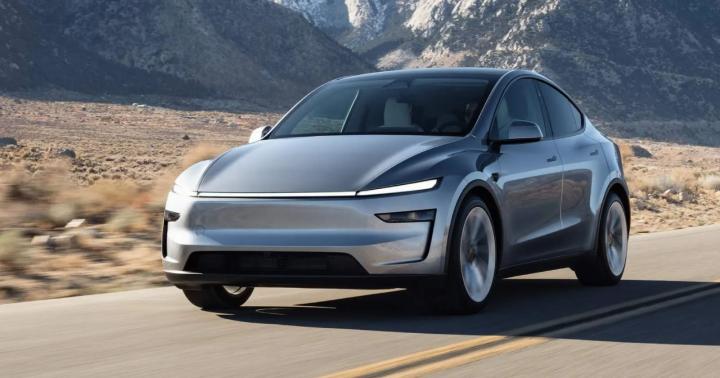
Tesla India Sales: ~600 Orders Since Mid-July Launch
Other media outlets, including Economic Times, describe this as a “modest figure,” especially when contrasted with Tesla’s global performance, where it typically sells around 600 cars every four hours.
Shipment Plans & Deliveries
Tesla plans to ship between 350 and 500 vehicles to India in 2025, with the first batch arriving from Shanghai in early September.
Initially, deliveries will be confined to Mumbai, Delhi, Pune, and Gurugram, reflecting where Tesla has showrooms and service capabilities. The volume of shipments depends heavily on the number of full payments it has already received.
Pricing & Market Position
Tesla launched the Model Y in India at a starting price of around $70,000 (roughly ₹60 lakh), a reflection of steep import duties and tariffs on electric vehicles in India.
A tax panel has recently recommended a sharp hike in GST on luxury EVs (priced above $46,000)—from 5% to potentially as high as 40%. If implemented, this would significantly increase costs for premium EV offerings and adversely impact Tesla, along with other luxury EV makers such as BMW and Mercedes‐Benz.
India EV Landscape & Structural Challenges
Electric vehicles account for only about 4% of total car sales in India, highlighting a still-nascent EV market. Infrastructure shortcomings—such as sparse charging networks, poor traffic discipline, prevalence of potholes, and stray animals—remain serious barriers to widespread EV adoption.
The premium pricing strategy puts Tesla in competition with established luxury players, unlike domestic brands (e.g., Tata, Mahindra), which cater to a more price-sensitive mainstream EV segment.
Broader Strategic Implications
- Niche Strategy in India
Tesla is targeting a niche, affluent segment of the Indian market rather than mass adoption. This cautious approach may slow growth compared to other territories. - Local Manufacturing Possibilities
Should demand grow, Tesla might consider local assembly or manufacturing to reduce costs and tariffs. Discussions on tax reliefs have already taken place, possibly paving the way for future investment. - Policy & Regulatory Evolution
Proposed tax hikes on luxury EVs could drastically affect Tesla’s pricing and competitiveness. Conversely, broader reductions in import tariffs and favorable policies could accelerate potential expansion. - Brand & Infrastructure Influence
Tesla’s entry could catalyze EV infrastructure growth and raise consumer expectations around premium EV experience—though much depends on how Tesla adapts to local conditions and demand dynamics.
Summary & Outlook
- Orders: Approximately 600 orders since mid-July—far below Tesla’s global average cadence.
- Shipments: 350–500 vehicles expected in 2025; first delivery batch from Shanghai in early September.
- Delivery hubs: Limited initially to four metropolitan areas—Mumbai, Delhi, Pune, Gurugram.
- Pricing: Premium due to tariffs; Model Y starts ~₹60 lakh.
- Challenges: Weak EV infrastructure, low overall EV adoption, high price sensitivity, and potential tax barriers.
- Future trajectory: Relies on how policy evolves, potential localization, and Tesla’s ability to adjust strategy to the Indian context.
Summary
Tesla’s Indian debut, while historic, has been cautiously promising but far from groundbreaking. As regulatory frameworks shift and infrastructure evolves, Tesla’s strategy in India could adapt—moving from a niche, imported luxury offering toward a more localized and accessible product line. The coming quarters, particularly the impact of GST decisions and shipment arrivals, will be critical in shaping Tesla’s future in India.