
Tesla’s move to secure Robotaxi certification in Arizona, including context on its pilot program, industry competition, regulatory hurdles, and what it all means:
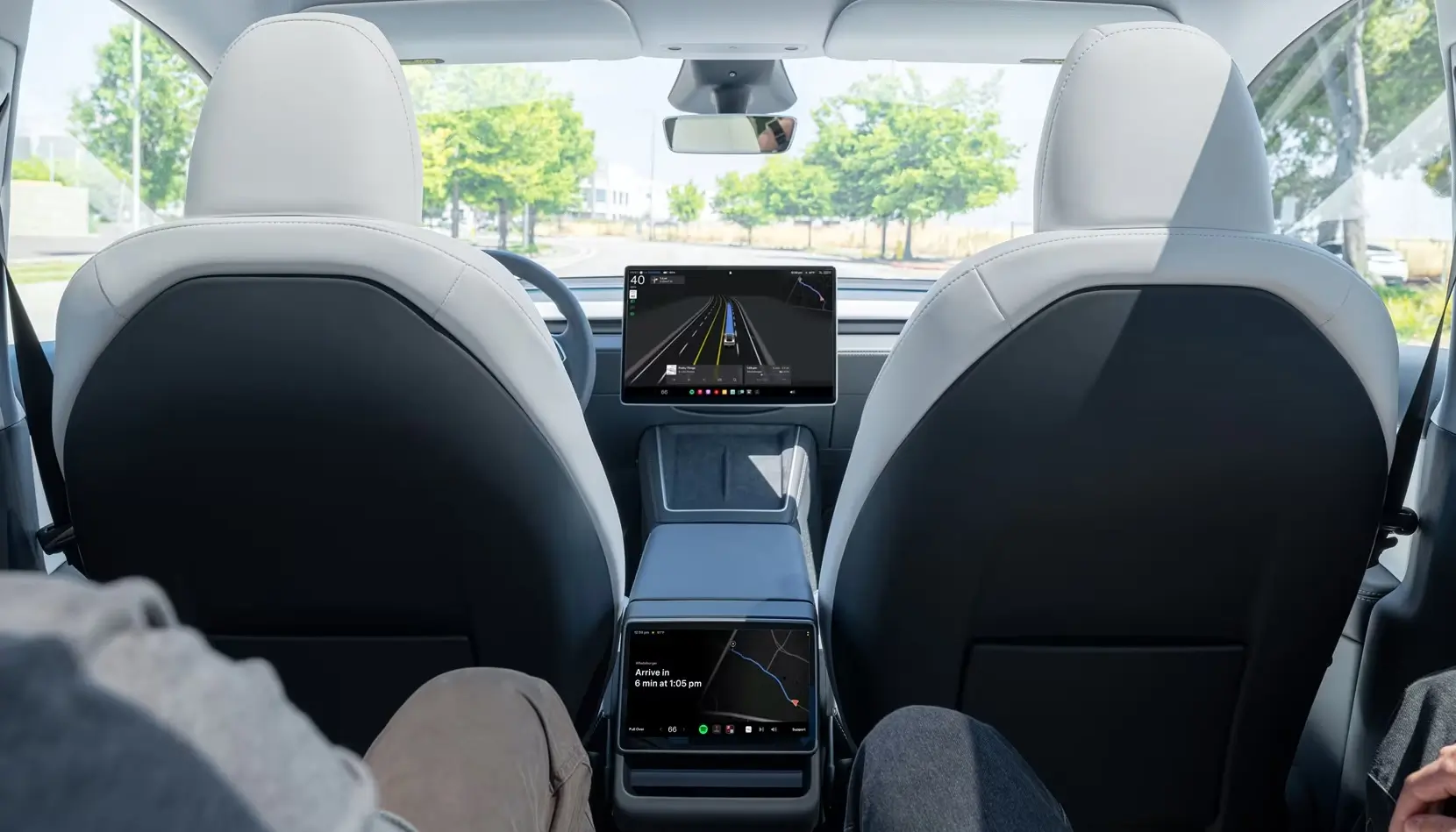
🚕 Tesla Begins Robotaxi Certification Push in Arizona
On June 26, 2025, Tesla initiated a formal certification process with the Arizona Department of Transportation (ADOT) to operate its autonomous ride-hailing Robotaxi service in the Phoenix metropolitan area. The application covers both with-safety-driver and fully driverless modes. A decision is anticipated by the end of July 2025.
Why Arizona?
Arizona has emerged as a hotspot for AV (Autonomous Vehicle) testing and operations, primarily due to its relatively permissive regulatory environment. Unlike California, where autonomy approvals involve multiple agencies (DMV, CPUC), Arizona allows companies to start small—with self-certification—then scale. Tesla appears to be taking this pragmatic approach by beginning in Phoenix to gain real-world operational data before moving to more complex markets like California.
A Brief Backstory: From Austin to Phoenix
Texas Pilot Launch
Tesla’s Robotaxi initiative officially kicked off in Austin, Texas, on June 22, 2025.
Key facts:
- Fleet size: ~10–20 Model Y vehicles.
- Access
- Safety monitor
- Flat fare: A promotional rate of $4.20 per ride.
- Operational area: Geofenced to specific South Austin zones, operating 6 AM–12 AM CT.
Early Reactions
The rollout garnered attention, both praise and scrutiny:
- Praise: Early users shared videos calling the rides “smooth” and the experience futuristic.
- Criticism and concerns
These glitches highlight the gap between Tesla’s camera‑vision approach and its path to true autonomy, especially compared to lidar-equipped systems used by rivals like Waymo.
The Move to Phoenix: What’s Different?
Regulatory Easing in Arizona
ADOT allows Tesla to self-certify both driver-assisted and driverless ride-hailing services in Phoenix. For driverless operation, Tesla must train licensed personnel for remote monitoring and have law enforcement protocols in place.
This lower barrier contrasts strongly with California’s layered system, which requires additional permits from the DMV and CPUC, and Tesla has not yet filed for any in-state driverless operations beyond its internal employee service.
Competitive Outlook: Head-to-Head vs. Waymo
- Waymo currently operates 1,500+ driverless vehicles nationwide, including Phoenix, providing over 250,000 rides weekly.
- Tesla’s entry threatens to disrupt the status quo. If ADOT approves certification, Tesla could gain immediate access to the shared-market infrastructure already used by Waymo.
Tesla’s Strategy: Theater or Tipping Point?
“Minimum Viable Autonomy Theater”
Industry observers caution that Tesla’s Robotaxi rollout resembles what some call “minimum viable autonomy theater”. Elon Musk and Tesla are eager to signal rapid progress, even if systems remain partially supervised. With limited fleets, geofencing, and monitors, it’s a tactic to show momentum while technical capability continues to mature.
Investor Expectations vs. Technological Reality
- Investor appetite: Tesla’s stock increasingly reflects its autonomy roadmap, not just EV sales. Progress in Robotaxi expansion can bolster investor confidence.
- Reality check: Tesla’s vision-only stack differs from lidar- and radar-intensive competitors. Deployment issues in Austin hint at challenges ahead.
Next Moves: What to Watch
Arizona Certification & Launch
- Decision timeline: ADOT plans to issue a verdict by July 31, 2025.
- Scope of deployment: Upon approval, Tesla must specify its operational zones, fleet size, supervision protocols, and monitoring infrastructure.
- Competition factor: If Tesla gains certification, it must compete with an already maturing Waymo presence in Phoenix.
Broader U.S. Expansion
- California and beyond
- Cybercab on the horizon: Tesla envisions a custom-built, steering-wheel-free two-seater dubbed “Cybercab.” Though it hasn’t been operational yet, casting sightings and hints from Tesla suggest production may begin in 2026–27.
- Scale-up ambition: Elon Musk has hinted at a nationwide Robotaxi fleet across “a dozen U.S. cities by year-end 2025”, while Waymo continues to expand. Tesla’s rollout pace will depend heavily on regulatory acceptance and real-world performance.
Broader Implications for AV Landscape
Regulatory Divergence
Tesla may use success in Phoenix to advocate for its model of streamlined autonomy certification elsewhere.
Public Trust & Technology Validation
Early incidents—steering into wrong lanes, phantom braking—raised concerns. Tesla’s journey in Phoenix will be a critical test of whether its camera-based system can handle diverse, dynamic urban conditions and restore public trust.
Competitive Pressure
Waymo stands to feel direct pressure from Tesla. The rivalry could accelerate AV innovation, potentially triggering faster adoption or regulatory shifts. For end-users, more options and pricing competition could improve access and affordability.
🚀 Summary
Tesla’s Robotaxi certification push in Arizona marks a strategic pivot—from proof-of-concept to commercial ambition. By targeting Phoenix’s permissive regulatory environment, Tesla aims to scale a fleet that could soon rival Waymo’s. If certification is granted by the end of July, we may soon see Tesla’s early fleet roll out in one of AV’s most active markets.
Still, early technical hiccups in Austin remind us this is unproven territory. The next few weeks will be pivotal: success in Arizona could unlock a broader national rollout. But glitches, safety reviews, or stricter licensing could prompt Tesla to adjust its plans.