
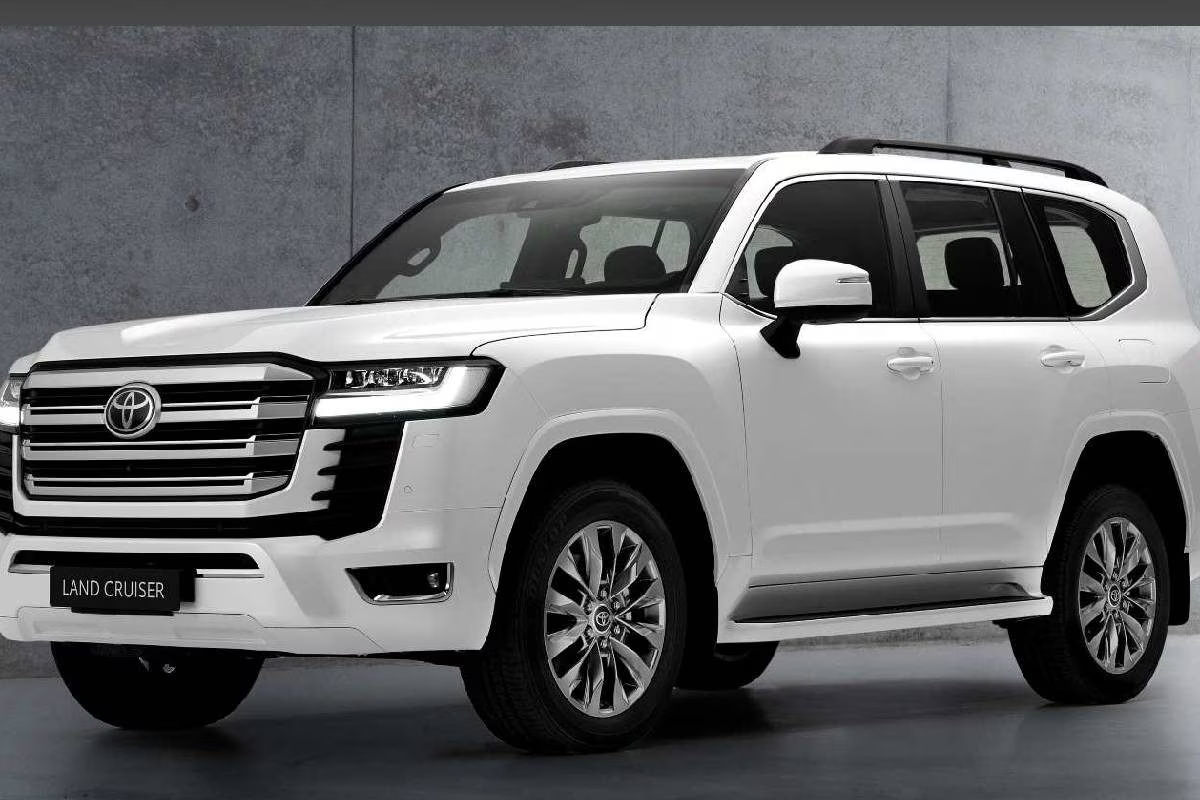
The Toyota Land Cruiser LC300 represents the next chapter in one of the most legendary off-road vehicle lineages. Known for its durability, dependability, and go-anywhere attitude, the LC300 continues to build on its heritage while incorporating modern engineering and luxury.
However, while it’s an outstanding vehicle in many respects, it isn’t perfect. Here’s a detailed look at the 9 pros and 9 cons of the Toyota Land Cruiser LC300.
Pros
1. Unmatched Off-Road Capability
The LC300 remains one of the most capable off-road vehicles ever built. With a full-time four-wheel-drive system, multi-terrain select, crawl control, and excellent ground clearance, it can conquer dunes, rocky slopes, and muddy trails effortlessly. Toyota’s decades of off-road experience truly shine here.
2. Powerful and Efficient Twin-Turbo V6 Engine
Replacing the previous V8, the LC300’s 3.3-liter twin-turbo diesel V6 (or 3.5-liter twin-turbo petrol, depending on market) delivers more power and torque while improving fuel efficiency. The diesel variant’s 700 Nm of torque provides impressive low-end pulling power, making it ideal for towing and navigating rough terrain.
3. Exceptional Reliability
Land Cruisers are renowned for their exceptional longevity, often running well beyond 400,000 km with proper maintenance. The LC300 carries this reputation forward with robust engineering, a proven drivetrain, and a focus on dependability even under extreme conditions.
4. Luxurious Interior and Comfort
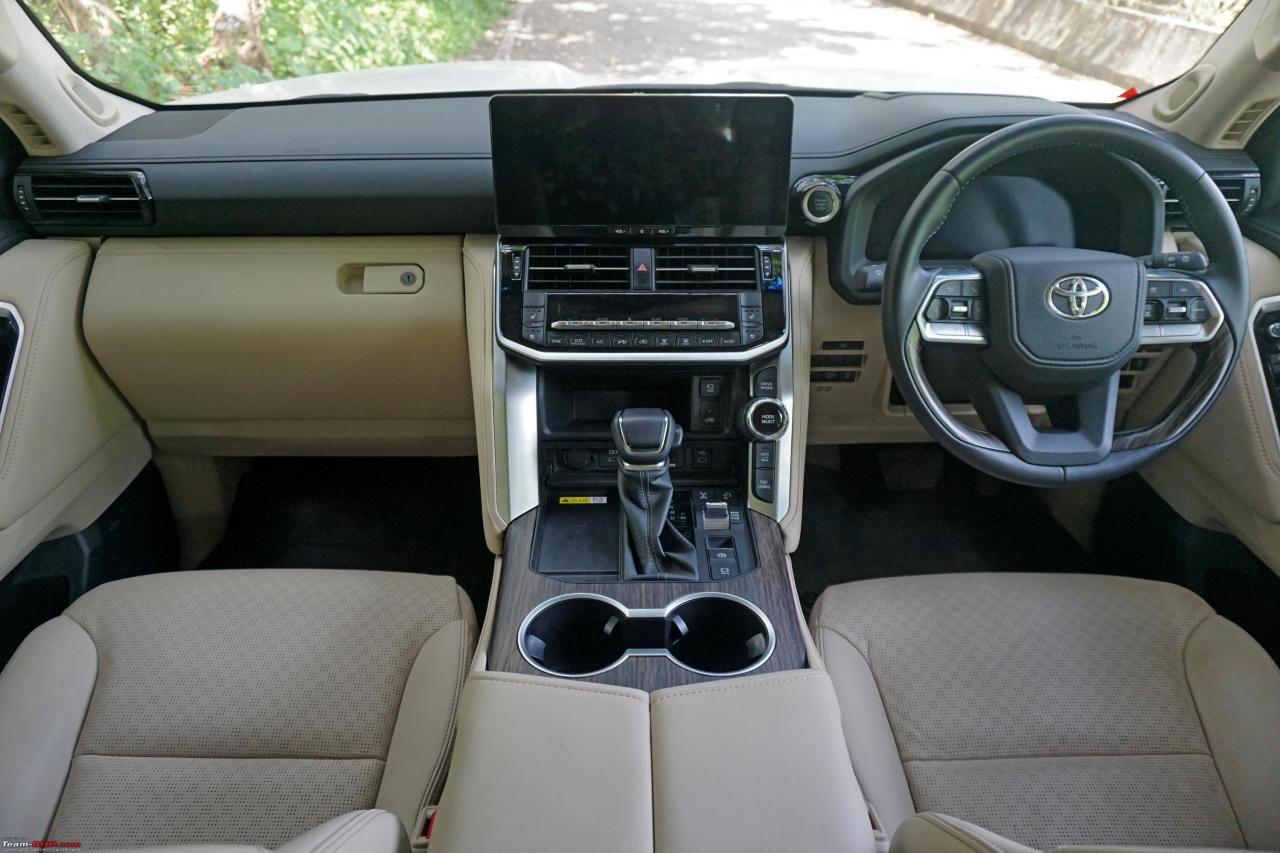
The LC300 isn’t just rugged—it’s refined. The interior boasts high-quality materials, plush seating, and thoughtful ergonomics. Higher trims feature ventilated seats, ambient lighting, and premium leather, giving it a near-Lexus level of comfort.
5. Advanced Safety Features
Toyota equips the LC300 with the full suite of Toyota Safety Sense, including adaptive cruise control, lane-keeping assist, blind-spot monitoring, and automatic emergency braking. It’s both a fortress off-road and a safe family vehicle on highways.
6. Strong Towing Capacity
With a towing capacity of up to 3,500 kg, the LC300 is built to haul heavy loads—boats, caravans, or trailers—with ease. The engine’s torque delivery and stable chassis make towing stress-free.
7. Refined On-Road Handling
Despite its size and off-road bias, the LC300’s new TNGA-F platform and lighter weight (about 200 kg less than the LC200) significantly improve ride comfort and cornering stability. It feels more composed and controlled on paved roads.
8. Cutting-Edge Technology
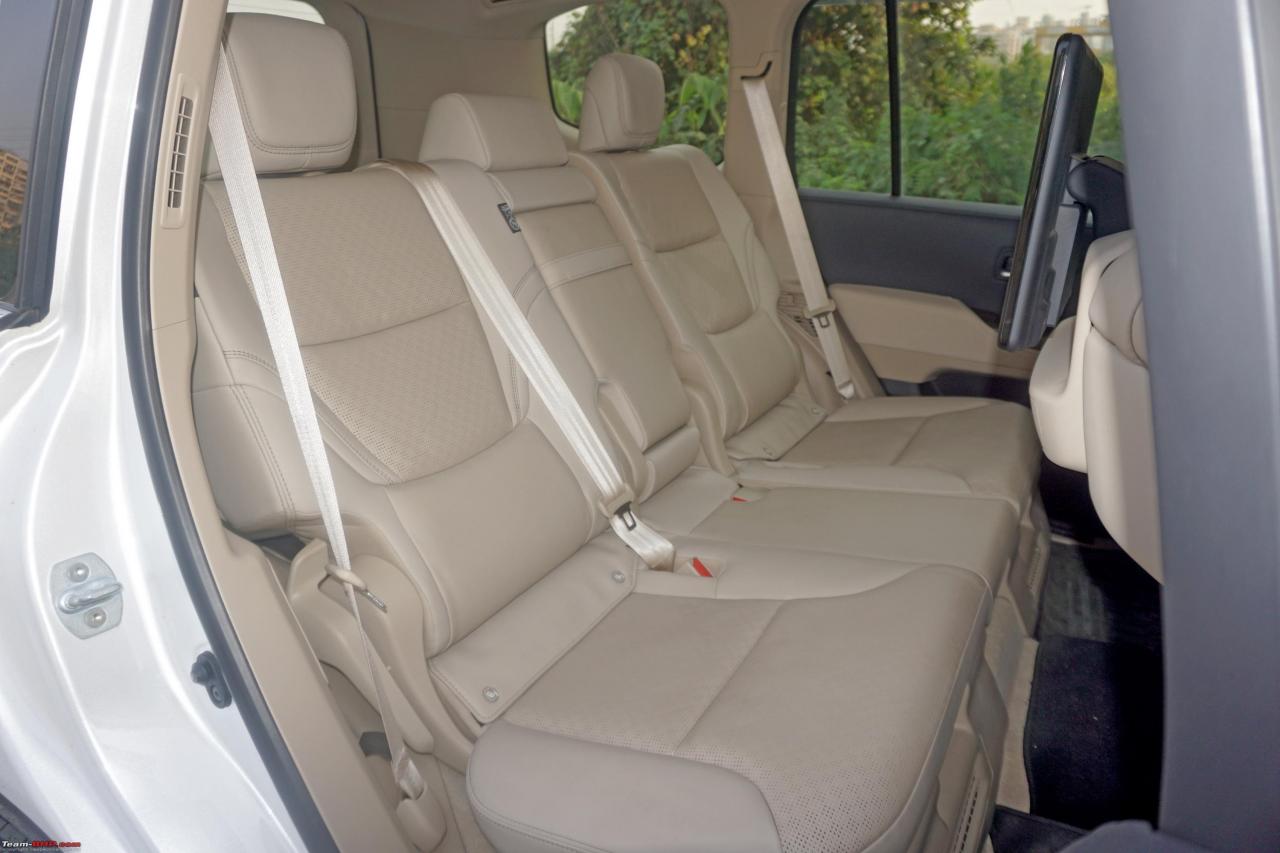
The LC300 gets a modern 12.3-inch infotainment system with Apple CarPlay and Android Auto, a digital instrument cluster, and an optional 3D multi-terrain monitor that gives drivers a “see-through” view of the terrain beneath the vehicle—ideal for tricky off-road maneuvers.
9. Strong Resale Value
Toyota’s reputation for reliability and the Land Cruiser’s cult-like following ensure excellent resale value. Even older models command premium prices in the used car market.
Cons
1. Extremely Expensive
The LC300’s pricing places it in luxury SUV territory. Depending on trim and region, it can be significantly more expensive than rivals with similar features, making it inaccessible to many buyers who loved the simpler, older Land Cruiser models.
2. Limited Availability
Due to global demand and production challenges, waiting lists for the LC300 have stretched for months in many markets. This scarcity has also driven up resale prices.
3. Thirsty Engine (Especially Petrol Variant)
While the diesel V6 is more efficient than the old V8, it’s still a large, heavy SUV—so fuel economy isn’t its strong suit. The petrol variant, in particular, can be quite thirsty, especially in city driving or off-road conditions.
4. Bulky Dimensions
The LC300’s size can make it intimidating in urban settings. Parking in tight spaces or navigating narrow roads can be challenging, despite parking sensors and cameras.
5. Firm Ride on Rough Pavement
While it excels off-road, the suspension can feel firm and bouncy on poorly maintained roads. It’s not as cushioned or smooth as some luxury SUVs like the Range Rover or BMW X7.
6. Dated Infotainment Interface
Although the system is larger and feature-rich, Toyota’s infotainment software feels dated compared to modern European or Korean systems. Response times and interface design could use improvement.
7. High Maintenance and Running Costs
Maintenance costs are higher than those of typical SUVs, partly due to its complex 4WD system and premium components. Fuel, servicing, and insurance costs all add up over time.
8. Limited Cargo Space (with Third Row Up)
In the seven-seat version, the third row eats up much of the cargo space. When all seats are in use, luggage space is limited, reducing practicality for large families on long trips.
9. No Hybrid Option Yet
In an age when many automakers are transitioning to hybrid and electric powertrains, the LC300 still relies solely on combustion engines. A hybrid or plug-in option would significantly broaden its appeal and improve efficiency.
Conclusion
The Toyota Land Cruiser LC300 remains a symbol of strength, reliability, and capability. It’s a true off-road legend refined for the modern era—powerful, luxurious, and incredibly dependable. However, it’s also expensive, large, and thirsty, making it better suited for serious adventurers, rural users, and enthusiasts than for city-dwellers seeking a daily commuter.
For those who value rugged reliability over trendy tech or efficiency, the LC300 is arguably the best all-terrain SUV money can buy. But if comfort, urban usability, or affordability top your list, you might want to look elsewhere.
Final Rating: 8.5/10 — A masterclass in off-road engineering with a few modern compromises.