
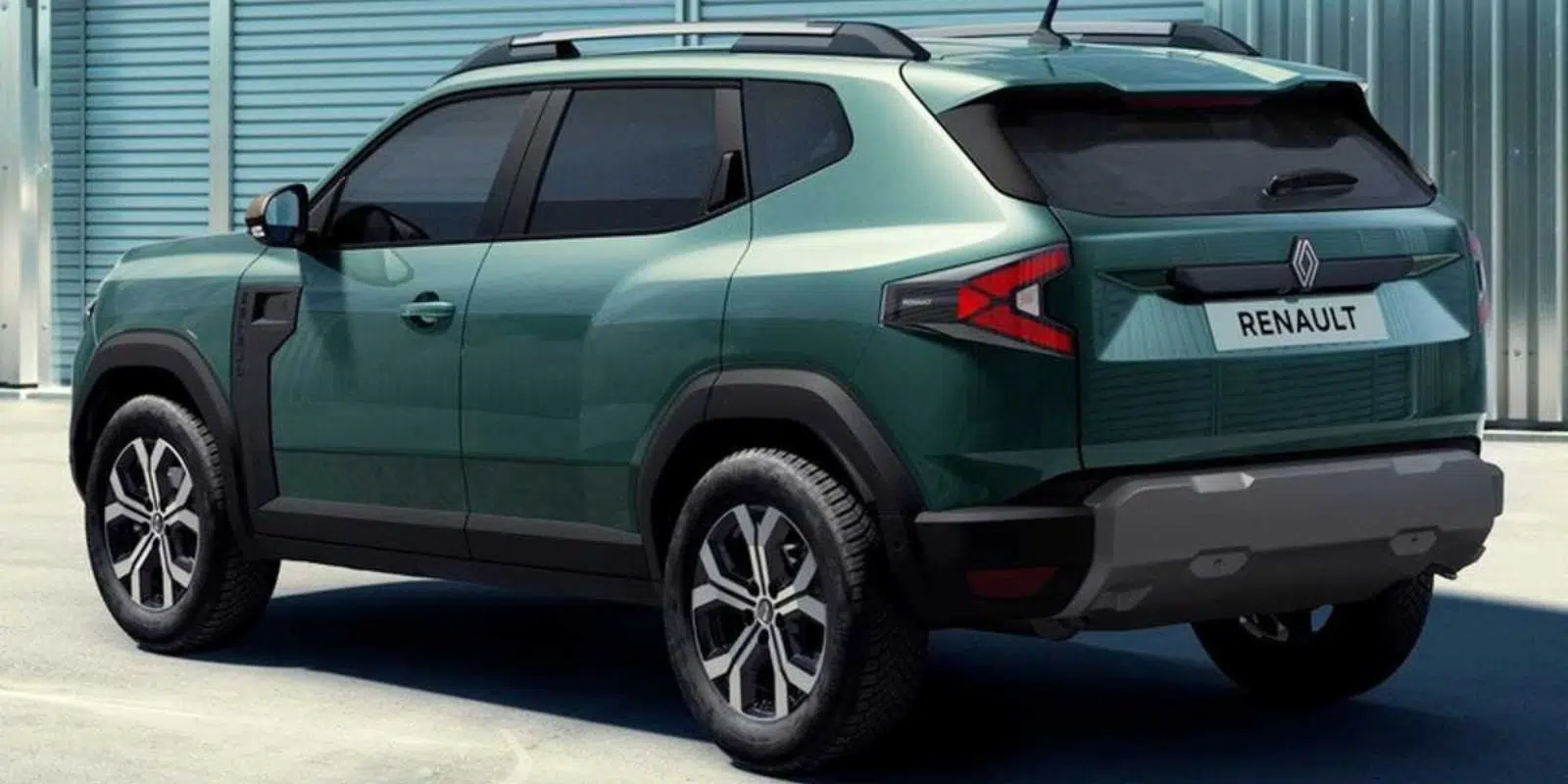
Upcoming Midsize SUVs in India (think Creta/Seltos/Grand Vitara class) are getting a fresh wave of metal between late 2025 and early 2026. From homegrown brands to Franco-Japanese alliances, here are five soon-launching contenders you should have on your radar—complete with what’s known so far on timelines, powertrains, and standout features.
Tata Curvv (ICE & EV): Coupe-SUV style meets mass-market practicality
Tata’s Curvv brings a notchback-like, coupe-SUV silhouette to the C-SUV class, and it’s headed for showrooms around the festive season of 2025 (official date still to be announced). Tata’s product page is live, underlining the model’s “ICE” direction alongside an EV, signalling a two-pronged strategy for launch and follow-ups.
Industry chatter has consistently pointed to 1.2-litre TGDi petrol and 1.5-litre diesel options for the ICE Curvv, with a dual-clutch automatic expected on higher trims; these were referenced in early review/preview drives.
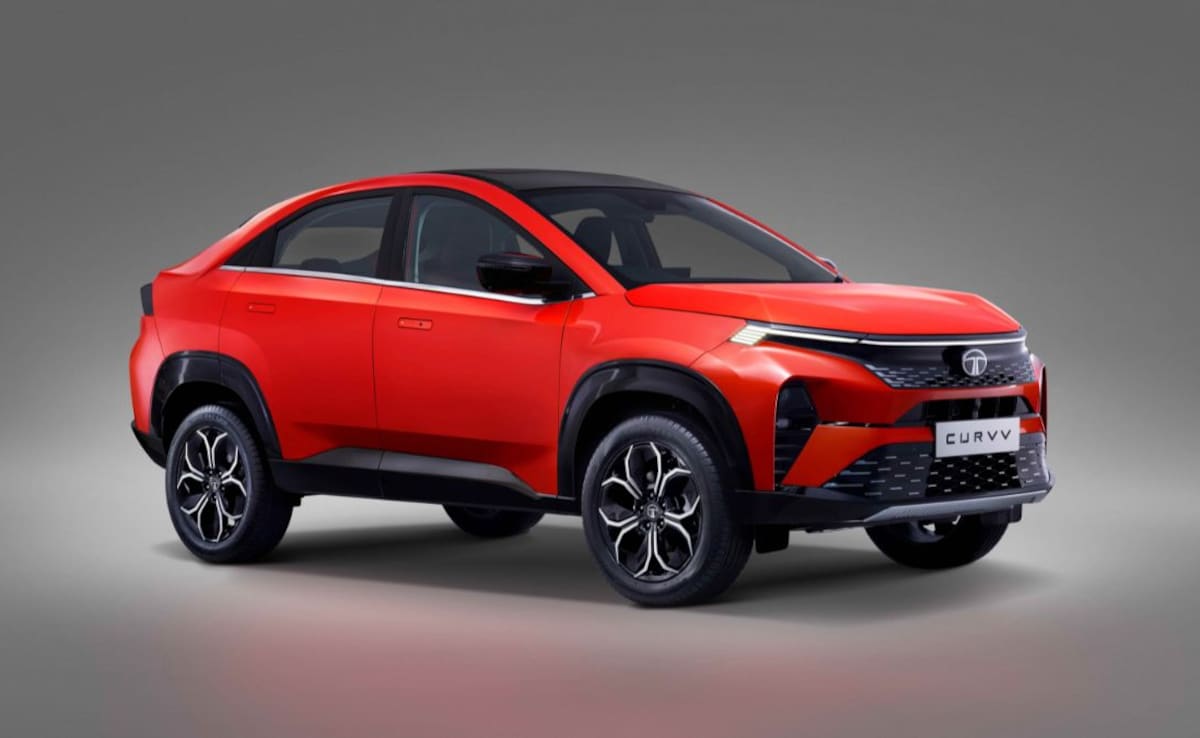
Why it matters: If Tata prices it keenly, Curvv could be the style-forward alternative to the squared-off usual suspects—without asking buyers to give up mainstream engines or features.
Tata Sierra (EV first, ICE to follow): The icon returns
Tata’s legendary Sierra nameplate is set for a comeback in late 2025, with EV first (around October 2025) and ICE variants in early 2026. Recent reports also indicate the Sierra has been shown at dealer events, hinting that the production program is in advanced stages. Expect a premium cabin (multiple screens have been showcased) and a mix of petrol/diesel alongside the EV to cover wide price bands.
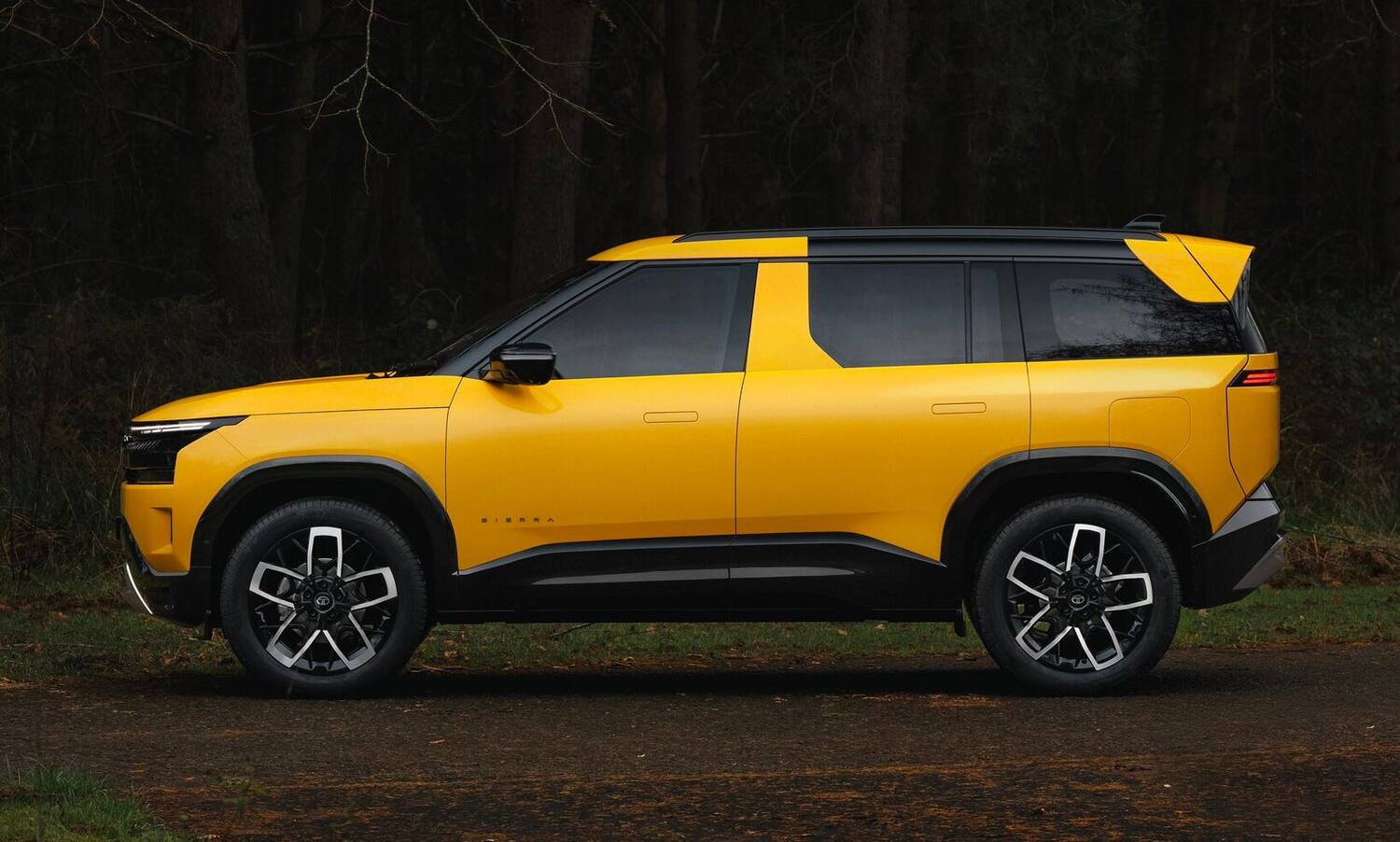
Why it matters: Nostalgia sells—but the new Sierra is more than a retro badge. If Tata can blend its latest connected tech and safety kit with the Sierra’s butch, modern stance, it could be one of the most talked-about launches of the year.
Renault Duster (3rd gen): The comeback kid with a tougher platform
The third-generation Duster, now on the CMF-B platform, has already rolled out globally (including right-hand-drive formats), and India’s version is on track for local production by late 2025 and a market launch in H1 2026.
Engine options widely tipped include 1.0- and 1.3-litre turbo-petrols and a strong-hybrid for international markets; India’s exact mix will be revealed closer to launch, but AWD is on the cards for select variants. In short, the rugged Duster character returns, with a stiffer, more modern base.

Why it matters: Creta-rivaling presence with genuine rough-road ability was the Duster’s original recipe. If Renault pairs that with contemporary interiors and ADAS, it could reignite serious interest in the nameplate.
Nissan’s New C-SUV (Duster Sibling): India-made, global ambitions
Nissan has confirmed a new 5-seat C-SUV for India, built locally in Chennai and scheduled for early FY26 (i.e., April–June 2026). It will share alliance underpinnings with Renault’s Duster program but carry distinct Nissan styling—teasers talk up cues inspired by the Nissan Patrol. Expect a feature-rich pitch with “one car, one world” export intent.

Why it matters: Nissan has been light in the C-SUV space since the Kicks. A fresh, alliance-based C-SUV could give the brand real scale and a credible alternative to the Korean bestsellers.
Mahindra BE.05 (Born-Electric): The edgy EV option
Mahindra’s BE.05 is the poster child for the brand’s INGLO EV platform: edgy design, a flat-floor cabin, and dimensions right in the C-SUV sweet spot (~4,370 mm long; 2,775 mm wheelbase).
Launch timelines point to around October 2025 for India, positioning it against EV versions of mainstream midsize SUVs. Expect modern driver aids, high-efficiency motors, and fast-charge capability, with pricing to challenge rivals like the Creta Electric and Tata’s EVs.

Why it matters: If Mahindra nails efficiency and pricing, BE.05 could become the “first serious EV” for many midsize-SUV buyers looking to switch without stretching to luxury-EV money.
Quick Reference: What’s Coming When (as of Aug 22, 2025)
- Tata Curvv (ICE/EV): Expected by festive 2025.
- Tata Sierra (EV first): Oct 2025 target; ICE in early 2026.
- Renault Duster (gen-3): Production by Sep 2025, launch H1 2026.
- Nissan C-SUV: Early FY26 (Apr–Jun 2026) India launch window.
- Mahindra BE.05: Widely tipped for Oct 2025.
Timelines and spec mixes can move as OEMs finalize certification, supply chains and pricing. Always check the latest updates closer to booking.
Buying Pointers: How These Five Could Be Positioned
- Value + style: Tata Curvv aims to blend striking design with familiar, serviceable ICE powertrains (plus an EV path). If you want something fresh without going full-EV on day one, this is it.
- Tech-forward & premium feel: Tata Sierra looks to sit half a rung above typical midsize fare, especially in EV form. Dealer previews suggest a rich interior and feature loadout.
- Rugged crossover DNA: Renault Duster on CMF-B promises a sturdier base and likely AWD availability—appealing if your drives include bad roads or trails.
- Alliance alternative: Nissan’s C-SUV should offer the Duster’s fundamentals with Nissan-specific design/trim logic, and strong export-grade build.
- Born EV statement: Mahindra BE.05 targets buyers ready to go electric without stepping up to premium badges—while still wanting bold design and modern tech.
FAQs
Q1) Which of these will launch the soonest?
As of August 22, 2025, the Tata Sierra EV and Mahindra BE.05 are both tracking for around October 2025, while the Tata Curvv is expected in the festive season of 2025. The Renault Duster and Nissan C-SUV are slated for early to mid-2026.
Q2) Will any of these offer AWD?
The new Duster is expected to offer AWD on select variants, as indicated by early product listings and reports; the others have yet to confirm AWD for India at the time of writing.
Q3) Which ones will be electric from day one?
The Mahindra BE.05 launches as a born-electric SUV. The Tata Sierra is primed to launch as an EV first (ICE later). Tata Curvv is planned with both ICE and EV pathways (sequence depends on Tata’s rollout), while Renault/Nissan are focused on ICE and hybrid to start, with EVs under evaluation on alliance platforms.
Q4) What price brackets should I expect?
Final stickers are TBA, but positioning will cluster around mainstream midsize territory. Expect Curvv and Sierra to bracket typical Creta/Seltos pricing depending on engine/trim, BE.05 to line up against mass-market EV SUVs, and Duster/Nissan C-SUV to compete head-to-head with Korean and Japanese rivals. (Indicative listings also mention multiple engine/gearbox spreads and AWD on Duster.)
Q5) I need a car before Diwali 2025. Should I wait?
If your shortlist includes Sierra EV, BE.05, or Curvv, waiting makes sense—they’re all due late-2025. If you prefer Renault/Nissan, plan for 2026. If you need a car right now, consider current bestsellers (Creta/Seltos/Grand Vitara/Elevate), then revisit these newcomers once prices and variants are public.
Q6) What’s the big tech/platform story here?
- CMF-B underpins the Duster and Nissan C-SUV, promising improved crash structure, packaging, and electrification readiness.
- INGLO is Mahindra’s dedicated EV architecture behind BE.05.
- Tata’s duo leans on the company’s latest design language and connected-car suite, with an EV-first approach for Sierra.
Summary
Between Tata’s design-led Curvv and heritage-rich Sierra, Renault’s reborn Duster, Nissan’s all-new C-SUV, and Mahindra’s BE.05 EV, India’s midsize SUV shopper will have a stacked calendar from October 2025 through mid-2026. If you can wait a few months, you’ll be comparing some of the most diverse powertrain and design choices this segment has ever seen.