
Here’s a clear, up-to-date rundown of the top changes enthusiasts and buyers can reasonably expect in the new-generation Upcoming Toyota Fortuner based on credible reports, official tech roadmaps, and what Toyota has already rolled out as a bridge update in 2025. Where details aren’t officially confirmed, I’ve marked them as “expected” or “likely” and pointed to the sources.
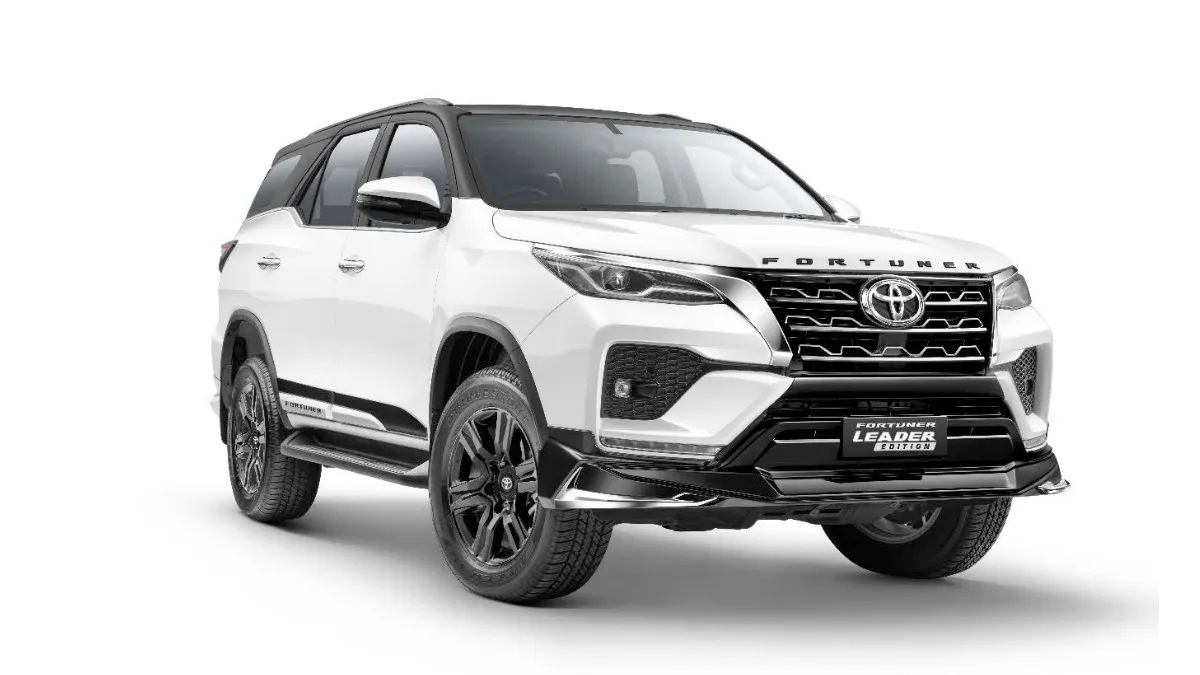
Platform & Chassis: Moving to GA-F (TNGA-F)
The biggest expected shift is that architectural change typically brings gains in rigidity, refinement, crash performance, and the packaging freedom to add newer electronics and driver-assist systems.
Powertrain: Diesel + 48V Mild Hybrid
Toyota has already introduced the Fortuner “Neo Drive 48V” mild-hybrid in India (June 2025) with the familiar 2.8-litre 1GD turbo-diesel paired to a 48-volt belt-starter generator. That update improves efficiency and low-speed smoothness, and adds features like a 360° camera and wireless charging on select variants. Expect the next-gen model to build on this electrified diesel baseline with wider integration and software tuning for the GA-F chassis.
Output figures reported for this MHEV setup hover around 201 hp/500 Nm for the engine itself, with a small additive boost from the 48V system—consistent with mild-hybrid goals of better drivability and economy rather than headline power. That’s in line with reporting around the next-gen Fortuner/Hilux family.
Steering & Dynamics: EPS vs Hydraulic
There’s conflicting chatter about steering: some outlets say Toyota may shift the Fortuner from hydraulic (VFC) to electric power steering (EPS) to unlock lane-keeping functions and reduce parasitic losses; others suggest the next model could still run an improved hydraulic/VFC setup.
The current Indian Fortuner lists “Power Steering with VFC,” indicating it’s not yet full EPS. Given GA-F’s electronics-friendly backbone and Toyota’s broader move to EPS on newer GA-F models, a transition to EPS is plausible—but not officially confirmed for Fortuner. Treat this as an “expected/likely” change until Toyota states otherwise.
ADAS: Toyota Safety Sense (TSS 3.0-class)
The next-gen Fortuner is widely expected to adopt a fuller ADAS suite—automatic emergency braking, adaptive cruise control, lane tracing/keeping, road-sign assist, automatic high beam, and more—aligned to Toyota Safety Sense 3.0 hardware (newer camera/radar stack and better detection logic).
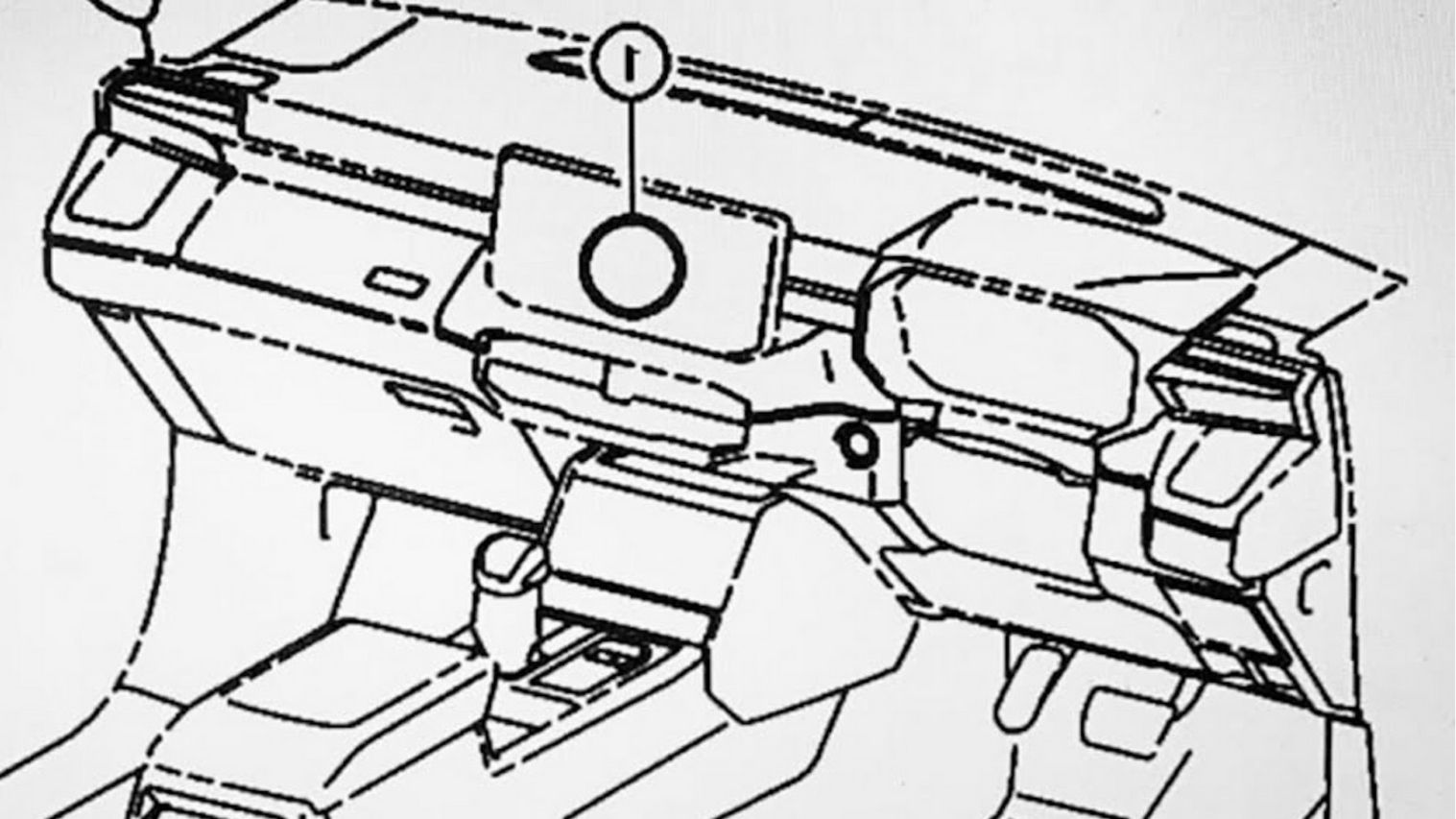
Interior & Infotainment: Big-screen, richer software, better cameras
Inside, expect Toyota to deliver a notably more premium cabin than the current truck-tough layout: a larger infotainment screen with improved connected features, a fully digital or partly digital instrument cluster, ventilated seats in more trims, a 360° camera with better stitching, and wireless charging (some of which already arrived on the 2025 MHEV update). GA-F packaging typically makes it easier to route additional sensors and controllers, so expect improved NVH and more convenient technology.
Off-road & Towing Tech: Carry-over capability with smarter aids
The Fortuner’s ladder-frame ethos won’t change; what should improve are the brains behind the brawn. Expect incremental hardware (calibrated traction control, axle articulation strategies) paired with smarter software rather than a radical mechanical rework.
Design: Sharper, more Land Cruiser/Tacoma family cues
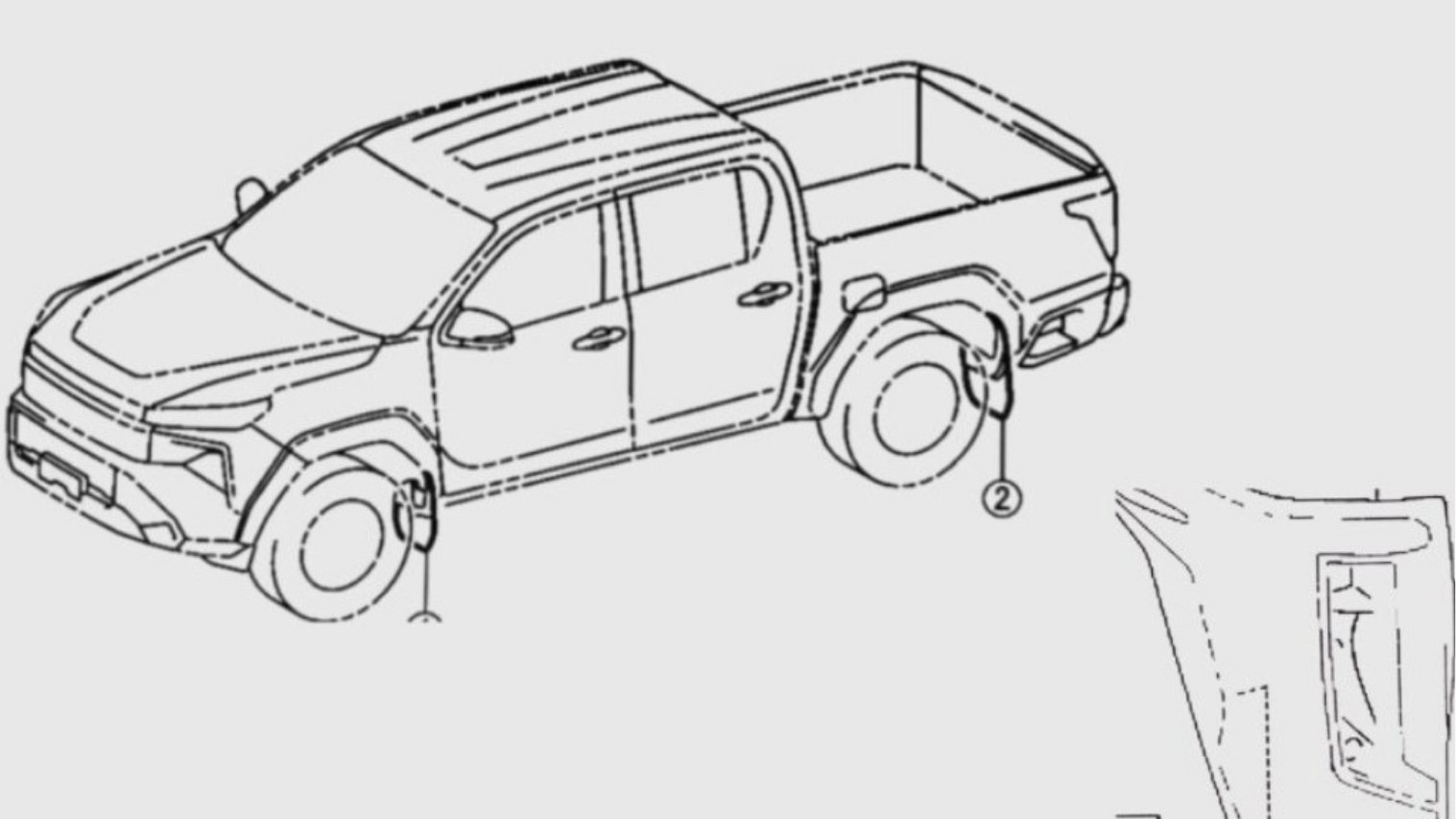
Expect a squarer, more muscular exterior, tighter light signatures, and a grille/bumper treatment that visually links the Fortuner with global GA-F siblings (Land Cruiser 250, Tacoma/4Runner). Several preview stories and renders point in this direction, though precise styling remains under wraps until Toyota’s reveal.
Pricing & Positioning: Up, with feature justification
Given the mild-hybrid hardware, added ADAS, a more premium interior, and the platform shift, prices are likely to move upward compared with today’s non-electrified trims. The 2025 India update already nudged prices: Fortuner Neo Drive 48V from ₹44.72 lakh ex-showroom; Legender Neo Drive 48V from ₹50.09 lakh. The true next-gen model could command a further premium when it arrives.
Timeline: What’s “new-gen” vs “2025 update”?
Important distinction: India received the 48V mild-hybrid Fortuner in June 2025, but that is not the full generational change. Until Toyota issues global invites/teasers, consider 2026 a working assumption.
Quick snapshot: “Top changes expected”
- GA-F platform (TNGA-F) for stronger, safer, more refined underpinnings.
- 2.8-diesel + 48V MHEV as the mainstream powertrain; smoother low-speed response and better efficiency. (Already previewed in India’s 2025 update.)
- Significantly upgraded interior tech (bigger screens, 360° camera, wireless charging; some features already live on MY2025).
- Steering: probable shift to EPS, but sources disagree—watch this space.
- Pricing: higher than today’s non-electrified trims, with equipment to match.
What’s still uncertain?
- Exact India engine mix (diesel MHEV is most certain; any petrol/turbo-petrol hybrid for India remains speculative).
- Whether Toyota adds a (panoramic) sunroof—long a talking point among Fortuner buyers—varies by market rumor, not confirmed yet.
FAQs
Q: Is the 2025 Fortuner launched in India the “new generation”?
A: No. The June 2025 models (Fortuner/Legender Neo Drive 48V) are a significant update with mild-hybrid tech and new features, but not the full next-gen redesign. The real generational change is widely expected later (commonly tipped for 2026, market-wise).
Q: What’s special about the GA-F platform for Fortuner buyers?
A: GA-F is Toyota’s newest ladder-frame architecture for serious SUVs and pickups (think Land Cruiser 300/250, Tacoma, 4Runner). Benefits usually include improved crash structure, torsional rigidity (quieter cabin, better ride), and easier integration of modern electronics like ADAS and infotainment.
Q: Will the new-gen Fortuner get Toyota Safety Sense (ADAS)?
A: That’s the strong expectation. TSS 3.0 hardware/software brings smarter detection and features such as AEB, lane tracing, radar cruise, road-sign assist, and automatic high beam. Precise feature lists will vary by market/trim.
Q: What engine will it use?
A: The safe bet is the proven 2.8-litre 1GD diesel with a 48V mild-hybrid system (as already previewed in India). Exact outputs and any petrol options will be confirmed at launch.
Q: EPS or hydraulic steering?
A: Reports differ. The current Indian Fortuner lists hydraulic with VFC; several next-gen reports predict EPS for efficiency and ADAS compatibility. We’ll need the official spec sheet to be 100% sure.
Q: Will the next-gen Fortuner be more expensive?
A: Likely yes, reflecting the platform upgrade, electrification, ADAS, and interior tech. The 2025 MHEV update already sits at ₹44.72–50.09 lakh ex-showroom; a new-gen model often moves the needle further.
Q: When should I expect bookings and deliveries for the new-gen?
A: Toyota hasn’t announced. Indian media chatter frames 2026 as the more realistic timeline for the full generational change, while the 2025 MHEV update is already on sale. Keep an eye on dealer communications for teasers/invite drives.
Q: What about interior space or third-row improvements?
A: GA-F generally allows better packaging and NVH treatment, so incremental gains in seat comfort, access, and storage are likely. Final dimensions and packaging changes will be clear at the global reveal.
Q: Will off-road ability change?
A: Capability should remain a Fortuner hallmark. Expect similar mechanical toughness but finer control through electronics—multi-terrain assistance, calibration tweaks, and improved traction logic—rather than a wholesale mechanical rethink.