
In a milestone moment for its electric vehicle ambitions, Xiaomi EV has reported delivering over 40,000 cars in September 2025 — the first time it has broken that threshold in a single month.
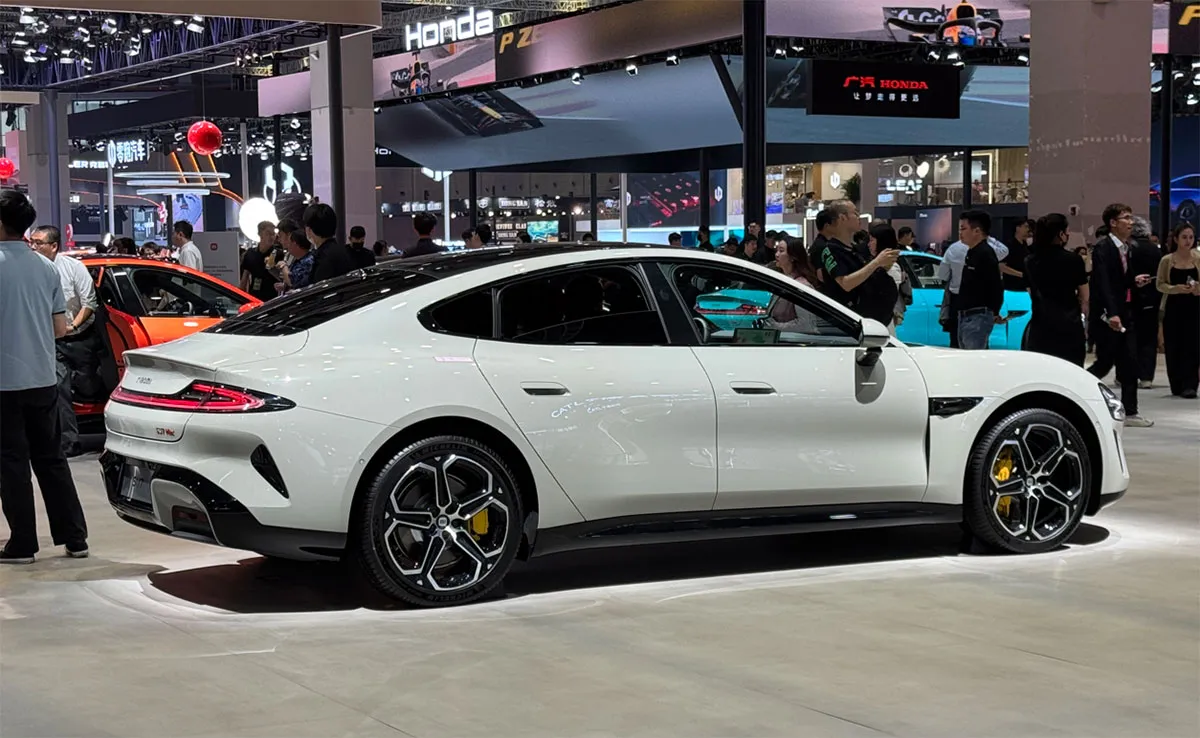
What We Know
- Xiaomi EV officially announced the milestone via its Weibo channel, without disclosing an exact figure.
- In August, it delivered 36,396 cars.
- The company’s two models, the SU7 sedan and the YU7 SUV, remain its core offerings.
- The SU7 debuted in March 2024, positioned to compete with Tesla’s Model 3; the YU7 launched in June 2025 and competes more directly with Tesla’s Model Y.
- Because of high demand, wait times are reported to be long: up to 38 weeks for the SU7, and up to 48 weeks for the YU7.
- This surge in deliveries is being driven largely by expansions in production capacity, with Xiaomi reportedly optimizing delivery schedules to better align with manufacturing output.
Significance and Implications
Validation of Xiaomi’s EV strategy
Breaking the 40,000-unit monthly barrier is an important proof point: it suggests that Xiaomi is not merely a tech company dabbling in cars, but a serious contender in China’s competitive EV space. Demand is evidently strong, and Xiaomi is now walking the talk of scaling from smartphones and devices to complex automotive manufacturing.
Intensified Competition with Incumbents
Xiaomi’s performance is being viewed in the context of rivals like XPeng, BYD, Nio, and others. September also saw XPeng deliver 41,581 vehicles, a new monthly high. The fact that Xiaomi is hitting similar volume levels positions it more credibly as a Tesla rival, at least within China.
Challenges of Scaling
Even with this milestone, Xiaomi faces headwinds:
- Production capacity constraints: The fact that customers are being pushed to wait many weeks indicates that production is still catching up to demand.
- Logistics & delivery optimization: Xiaomi is reportedly implementing “dynamic optimization” of delivery cycles to alleviate mismatches between production and deliveries.
- Sustainability & profitability: Manufacturing cars at scale is resource-intensive, with thin margins. Xiaomi must manage costs (battery, R&D, supply chain) even as it ramps up output.
- Model portfolio and diversification: Xiaomi currently has only two models in the market; to sustain growth, it may need to expand its lineup, enter other segments (e.g., SUVs, compact models), or enter new geographies.
Outlook and Targets
Earlier in 2025, Xiaomi raised its annual EV delivery target from 300,000 to 350,000 units. Achieving over 40,000 in one month puts it on a path (if repeated) toward meeting or even exceeding that target.
Additionally, Xiaomi is expanding its manufacturing capacity. Its automobile plant’s second phase was expected to be completed by mid-2025 to support higher volume production.