
The Dutch province of Zeeland is taking a significant step toward cleaner, more efficient public transportation with the addition of 73 new BYD electric buses. This investment marks an important milestone in the region’s transition to zero-emission mobility and reinforces the Netherlands’ broader climate and sustainability goals.
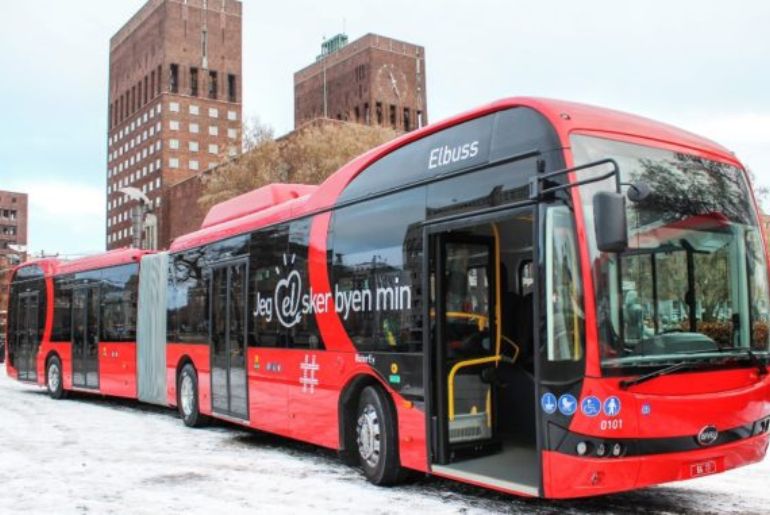
Zeeland Expands Its Electric Bus Fleet
Public transport operator Connexxion (operating under Transdev Nederland) has confirmed that 73 battery-electric buses from BYD Europe will be deployed in Zeeland. These buses will gradually replace older diesel-powered vehicles, helping reduce emissions while improving passenger travel comfort across the province.
With this move, Zeeland continues to align with the national objective of achieving 100% zero-emission public transport by 2030. The new BYD buses are expected to operate on both urban and regional routes, serving daily commuters, students, and tourists.
Why BYD Electric Buses?
BYD (Build Your Dreams) is one of the world’s leading manufacturers of electric buses and has a strong track record across Europe. The company already supplies electric buses to multiple Dutch cities, making it a proven and reliable partner for large-scale fleet electrification.
Key benefits of the BYD electric buses include:
- Zero tailpipe emissions, helping improve air quality
- Quiet operation, reducing noise pollution in urban areas
- Long driving range, suitable for regional routes in Zeeland
- Energy-efficient battery technology, designed for daily intensive use
The buses are also equipped with modern passenger amenities such as low-floor access, USB charging points, and advanced safety systems, making public transport more attractive and accessible.
Supporting Zeeland’s Climate Goals
Transport is a major source of CO₂ emissions, and electrification is a crucial solution. By introducing 73 electric buses, Zeeland is expected to cut greenhouse gas emissions significantly compared to traditional diesel buses.
In addition to environmental benefits, electric buses contribute to:
- Lower operational noise in city centers and villages
- Reduced dependence on fossil fuels
- Lower long-term maintenance costs
This initiative supports both local climate plans and the Netherlands’ national commitment to sustainable mobility under European climate targets.
Charging Infrastructure and Operations
To support the new BYD electric bus fleet, Zeeland is also investing in charging infrastructure. Depot charging systems will be installed at key locations, enabling buses to be efficiently charged during off-service hours.
Thanks to advances in fast-charging and battery capacity, the buses can operate full daily schedules without disrupting service. Smart energy management systems will help optimize charging times and electricity use, further reducing operational costs.
Benefits For Passengers and Communities
For passengers, the transition to electric buses means a noticeably better travel experience. Electric buses accelerate smoothly, produce less vibration, and operate almost silently—key improvements for comfort, especially on longer regional routes.
Local communities also benefit from cleaner air and quieter streets, particularly in historic town centers and residential areas. As Zeeland attracts many tourists each year, sustainable transport also enhances the province’s image as an environmentally responsible destination.
A Strong Signal For the Future of Public Transport
The delivery of 73 BYD electric buses to Zeeland sends a clear signal about the future direction of public transport in the Netherlands. As more regions move away from diesel, large-scale orders like this demonstrate that zero-emission buses are no longer experimental—they are the new standard.
With proven technology, supportive policies, and growing public acceptance, electric buses are set to play a central role in shaping cleaner, smarter mobility across Europe.
Conclusion
Zeeland’s decision to introduce 73 BYD electric buses represents a major investment in sustainability, innovation, and passenger comfort. By reducing emissions, improving air quality, and modernizing its bus fleet, the province is making a meaningful contribution to a greener transport system—one electric kilometer at a time.