
Here’s a roundup of 5 new Tata compact SUVs coming up (or just being updated) in India that are worth keeping an eye on — what we know so far, what’s expected, and why they could shake up the compact SUV space.

Tata Scarlet
- Codename Scarlet is the newest sub-4-metre compact SUV in development at Tata Motors.
- It is expected to slot between the Punch and the Nexon (in terms of size, features, and pricing).
- Style/design cues: boxy and rugged, possibly inspired by the Tata Sierra (upright stance, slab-sided elements) to give it a more adventurous look.
- Powertrains: Likely petrol / petrol-CNG, possibly with better structural upgrades (platform improvements) for comfort & handling. EV version may come later or as an option.
- Expected launch timeframe: H2 2026 or a bit later, depending on how things move.
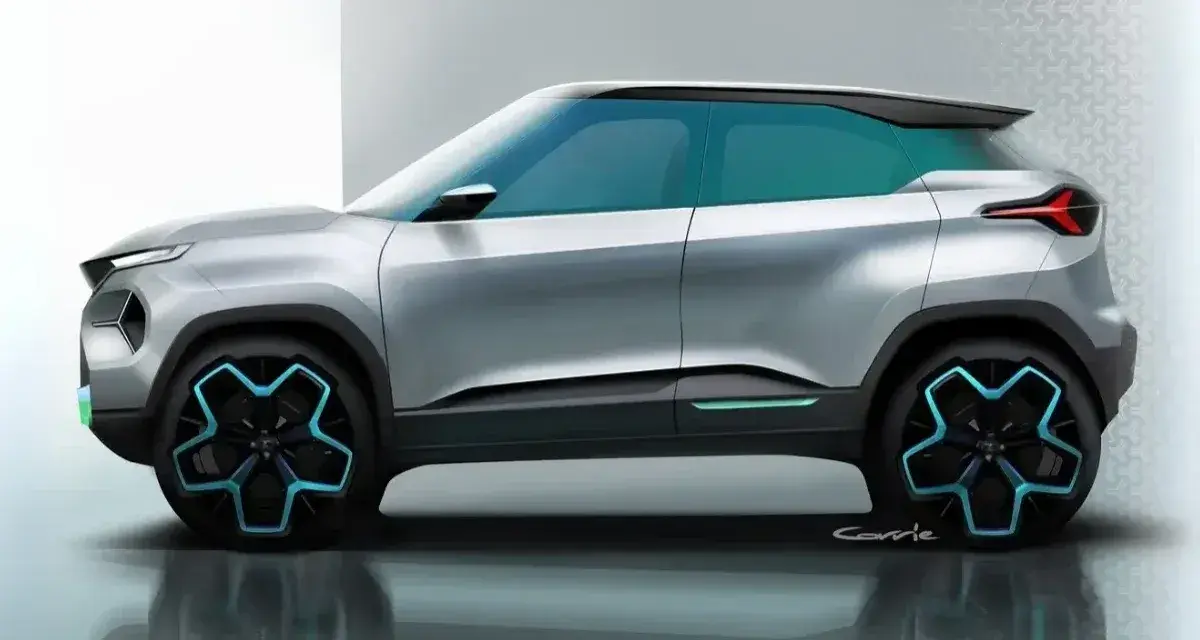
Why it matters: It fills a gap in Tata’s lineup between Punch and Nexon, giving buyers a more rugged, style-plus-utility option in the compact SUV class. If priced well, it could attract those wanting “SUV-look plus functionality” without jumping to larger or more expensive options.
Next-Gen Tata Nexon (Petrol, CNG, & EV)
- Code name Garud for the next-gen Nexon. It’s under development.
- It will likely be based on an upgraded version of Tata’s X1 platform.
- Powertrains: petrol, possibly CNG, potentially hybrid if Tata decides to include one. Diesel may be discontinued (or reduced) due to tightening emission norms (BS7 / upcoming regulations).
- Features expected: improved design, more premium interiors, larger touchscreens/displays, maybe Level 2 ADAS features.
- EV version: Nexon EV is likely to get the same generational upgrade.
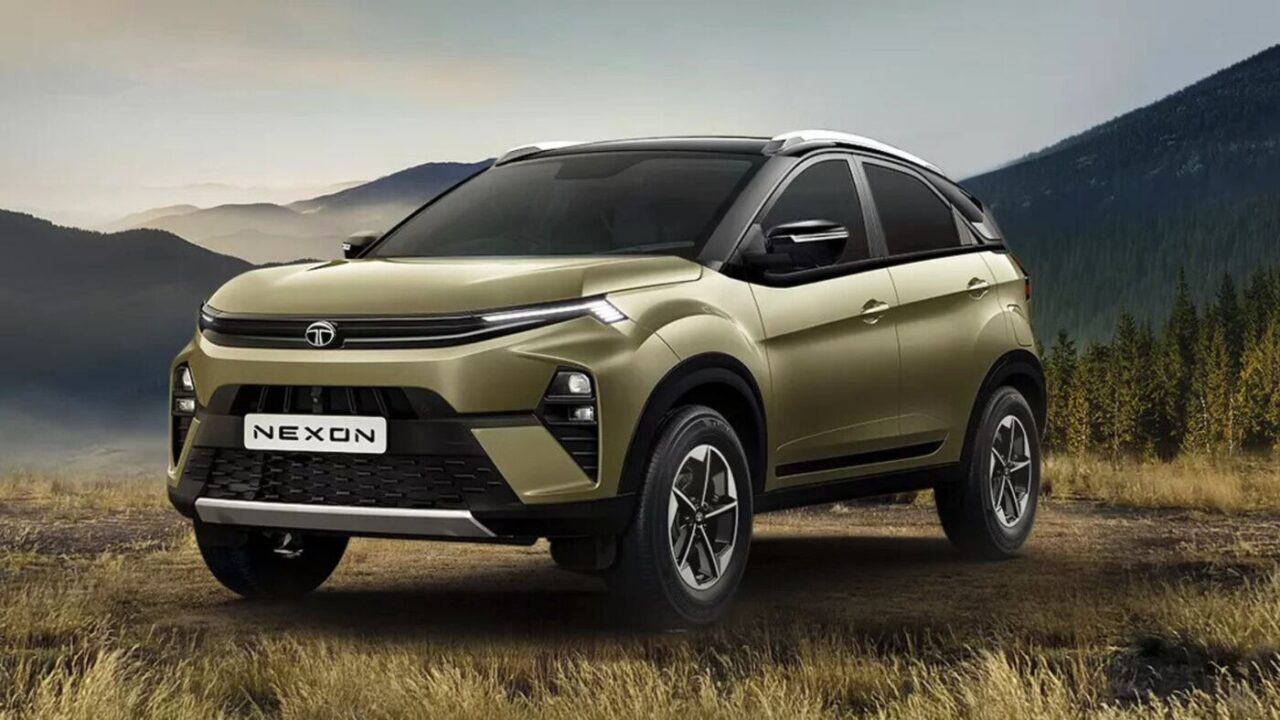
Why it matters: The current Nexon is one of Tata’s top sellers. Upgrading it keeps the model fresh, helps meet tougher emission/safety standards, and lets Tata compete more strongly in features and comfort. For buyers, better tech and perhaps lower running cost versions (CNG or hybrid) could be big draws.
Tata Punch / Punch EV Facelift
- The Punch facelift is expected around October 2025.
- Exterior tweaks: new headlamps, changed bumpers, fresh alloy wheels (likely 16-inch) inspired by what has been done on the Punch EV.
- Interiors: more up-to-date features, a larger touchscreen (10.25-inch vs older, smaller units), and a bigger driver display.
- Powertrains: petrol + petrol-CNG; and for the first time, Punch CNG may also get an AMT option.
- Punch EV refresh is also in the pipeline for perhaps 2026.
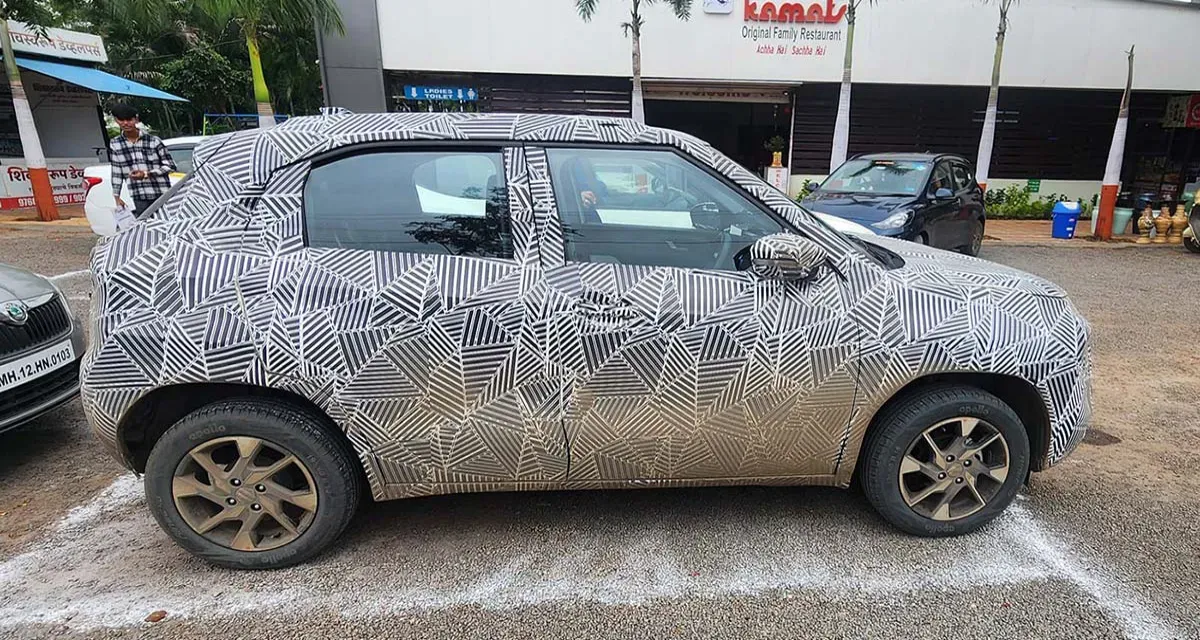
Why watch it: Punch is Tata’s entry-SUV/subcompact success. Upgrading it means better competitive features at affordable prices. A CNG + AMT pairing would make the Punch more usable for city traffic & lower running cost buyers. Also, the EV version serves those looking for electrification without stepping up to higher price brackets.
Curvv EV / Curvv (Electric Subcompact)
- The Curvv EV has already launched: Tata’s subcompact crossover EV.
- Key features: It offers two battery pack options (≈ 45 kWh and ≈ 55 kWh) with extended range (500-585 km ARAI for EV versions) depending on variant.
- Design: sleek coupe-like roofline, modern EV style, good features, safety, etc.
- The ICE/hybrid / non-EV variant (or a petrol version) is expected (or under discussion)
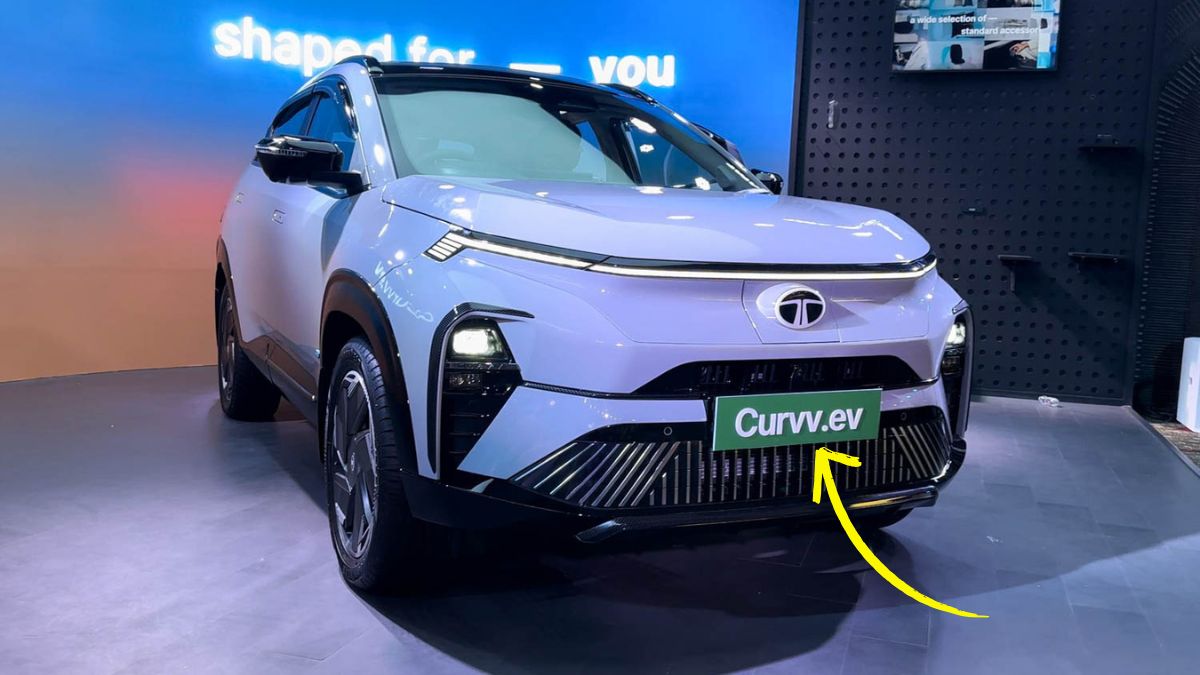
Why it’s relevant: Curvv EV is important because it expands Tata’s EV footprint in the compact SUV segment. For people considering EVs, this is one of the more mature options in terms of range, features, and real usability. As more charging infrastructure comes, an EV like this becomes more attractive.
Other Potential/New Compact SUVs (or Variants)
This is a catch-all for models/variants that are in earlier stages but could make an impact.
- There are reports that Tata will launch 30 new vehicles by 2030, with 7 completely new nameplates, many of them SUVs or compact SUVs. Scarlet is one.
- Also, while not always clearly “compact”, models like Sierra, Avinya / Avinya X are being positioned in premium SUV spaces, some of which could overlap with cost or feature tents of compact SUVs for some buyers.
- Feature/trim upgrades: Level 2 ADAS, better interiors (screens/displays), more efficient or alternate fuel (CNG/hybrid) versions, etc. These will make even “old” models act more like “new” ones.
What To Watch For / Key Decision Points
When deciding whether these upcoming Tata compact SUVs are of interest, here are things to compare:
| Factor | What makes a difference |
|---|---|
| Price vs features | How much premium is paid for upgrades like ADAS, better infotainment, safety features, etc? |
| Fuel type/running cost | EV vs petrol vs CNG vs hybrids. Charging infrastructure, fuel price & convenience will matter a lot. |
| Size & space vs comfort | Some of these will maximize interior room even in small / sub-4-m sizes; ride quality, platform improvements will matter. |
| Design/styling preferences | Some will be rugged / adventure-inspired (e.g., Scarlet), others more sleek. Looks still sell. |
| Resale & brand appeal | Newer models, with better features and a strong service network, will do better in resale. Tata has improved on that front, but competition is fierce. |