
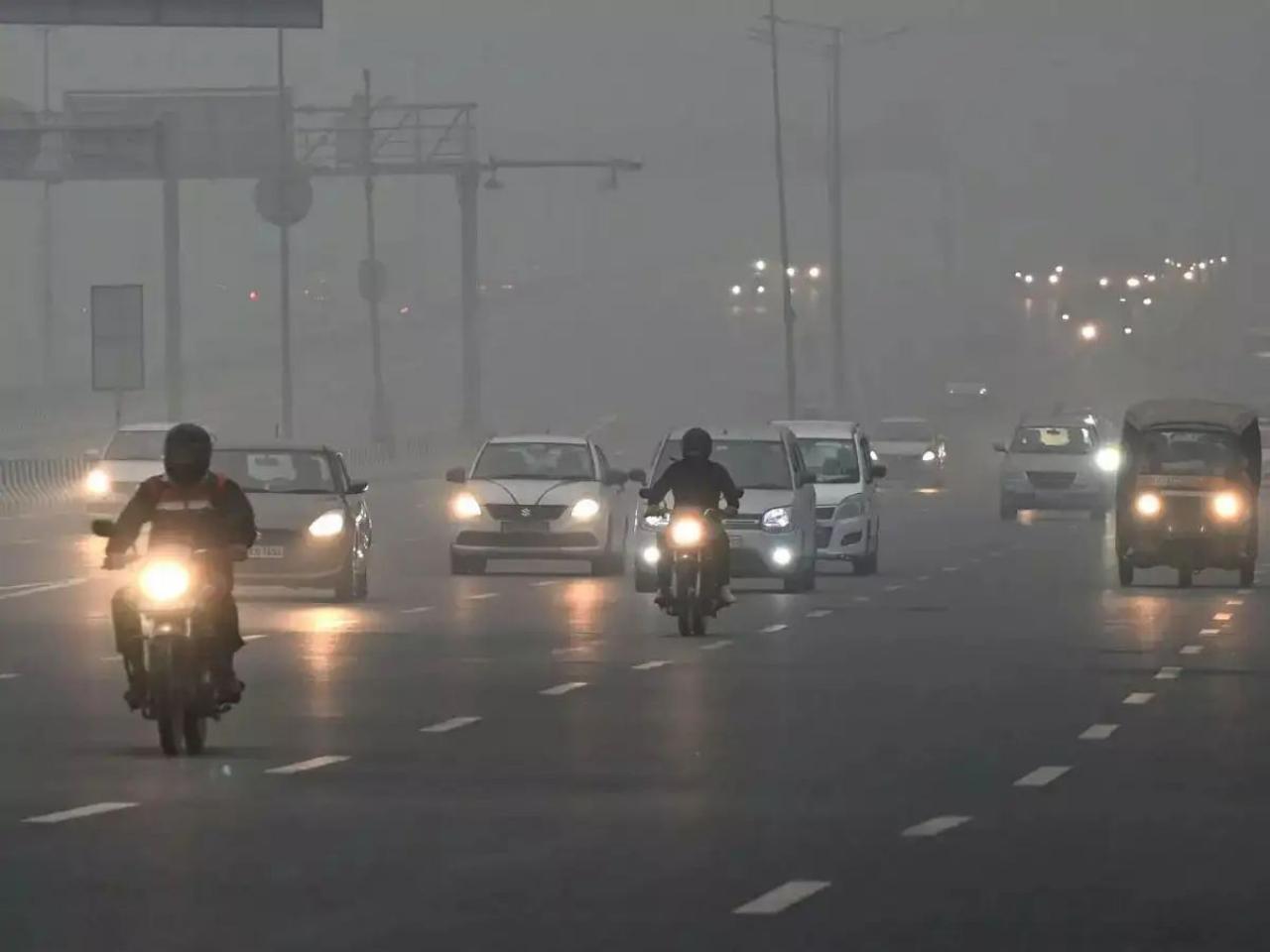
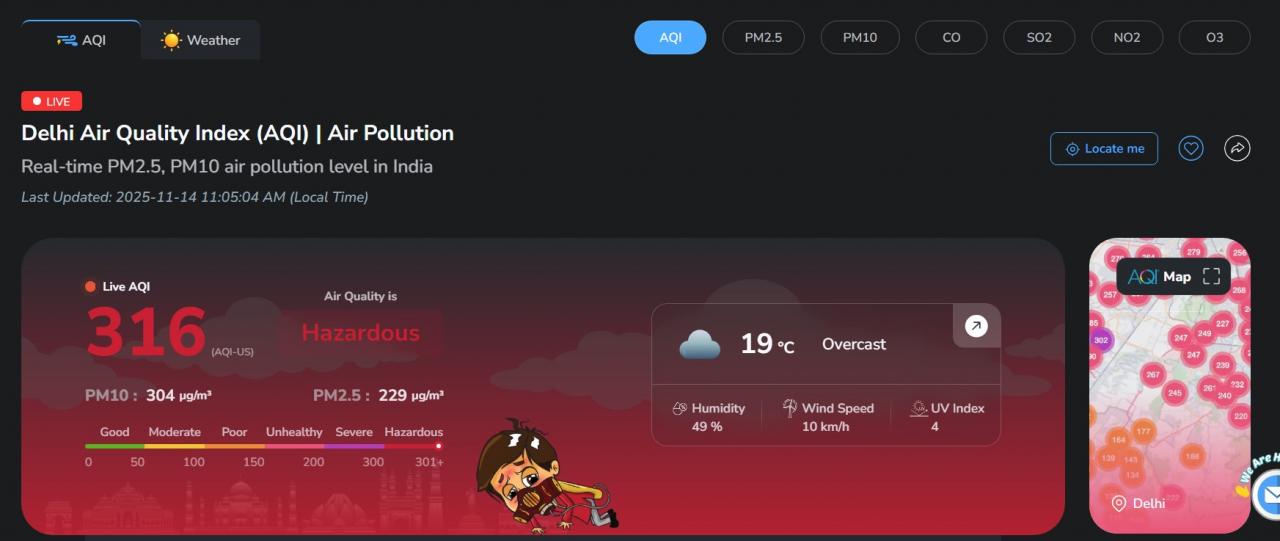
The air quality in Delhi and the surrounding National Capital Region (NCR) has deteriorated sharply, with the Air Quality Index (AQI) crossing the 400 mark and entering the “Severe” category.
What’s Happening?
In response, the Commission for Air Quality Management (CAQM) has activated Stage III of the Graded Response Action Plan (GRAP). This triggers a range of emergency measures — among the most prominent being a temporary ban on older petrol and diesel vehicles.
What Vehicles are Affected?
Under the Stage III restrictions in the Delhi-NCR region (which includes Gurugram, Ghaziabad, Faridabad, and Noida):
- Petrol vehicles compliant with the older BS-III emission standard are banned.
- Diesel vehicles that meet only the BS-IV standard (i.e., not the newer BS-VI) are also banned.
- Non-essential diesel goods vehicles, interstate buses not CNG/compliant, and dust-producing construction/demolition activities are also restricted.
- Exemptions apply: vehicles used by persons with disabilities and those engaged in essential/emergency services are allowed.
- If you violate the ban, you can face a significant fine — up to ₹20,000.
- The ban remains in force until the AQI falls below 400 and stays there.
Why Now — What Caused This Move?
Several factors combined to trigger this urgent action:
- Rising pollution levels: Many parts of Delhi reported AQI values above 425, with readings of PM2.5 and PM10 significantly elevated.
- Stagnant meteorological conditions: Low wind speeds, cooler temperatures, and settled atmospheric layers mean pollutants linger longer.
- Multiple pollution sources: Vehicle emissions, construction dust, dust from demolition, and smoke from stubble burning in neighbouring states all contribute.
- Older vehicles = higher emissions: BS-III petrol and BS-IV diesel vehicles emit significantly more NOx, PM, and other pollutants than newer BS-VI vehicles. Hence, they become prime targets when air quality worsens.
What’s the Impact?
- Mobility: Owners of older vehicles will find their cars temporarily unusable for normal travel during the ban period. They must switch to public transport, ride-sharing, or alternate arrangements.
- Logistics and goods movement: Restrictions on non-essential diesel goods vehicles can slow down deliveries, supply chains, and operations, especially in and around Delhi.
- Public health: These measures aim to reduce immediate exposure to harmful air pollutants, benefiting the vulnerable (children, elderly, people with respiratory/cardiac issues).
- Behavioural nudges: The ban signals a push towards cleaner mobility — more CNG, electric vehicles, better vehicle maintenance, and phase-out of very old cars.
Why Targeting BS-III and BS-IV Vehicles is Significant
- Emission standards explained: India’s Bharat Stage (BS) norms regulate vehicle emissions. BS-III became mandatory in many places around 2010, BS-IV in 2017, and BS-VI from April 2020 onwards.
- Older vehicles (BS-III petrol / BS-IV diesel) have higher emissions of particulates (PM), nitrogen oxides (NOx), and other pollutants. When air quality is precarious, targeting the “worst offenders” is an effective emergency step.
- The ban also acts as an incentive for owners to upgrade to newer, cleaner vehicles or switch to alternatives like public transport, EVs, or CNG.
What Can Individuals and Businesses Do?
- Check your vehicle’s emission norm: Know whether your vehicle is BS-III/BS-IV/BS-VI. If it falls in the banned category, avoid planning routes that take you into Delhi-NCR during the restriction period.
- Use public transport / shared mobility: With private vehicle restrictions, public transit, metro, buses, and shared rides become more vital.
- Avoid unnecessary travel: When AQI hits “Severe”, limiting outdoor activity helps reduce exposure to harmful pollution.
- Ensure your vehicle is well-maintained: Good servicing, timely oil/fuel/PUC checks reduce emissions and benefit air quality.
- Businesses with fleets: If you operate goods vehicles or transport services, check if your fleet has non-compliant vehicles. Plan accordingly for compliance or temporary suspension.
- Stay informed: Monitor AQI levels and GRAP alerts (often issued by CAQM or state pollution control boards) to know when restrictions lift.
Why This Matters Beyond the Short Term
While the current ban is a temporary emergency measure, it underscores deeper structural issues:
- Urban centres like Delhi struggle with pollution every winter due to a combination of vehicle emissions, construction dust, regional smoke, and meteorology.
- Transitioning to cleaner fuel technologies (CNG, electric, hydrogen) and modern vehicles (BS-VI and beyond) is vital for long-term improvement.
- Regulatory tools like GRAP and vehicle bans show what can be done in a crisis, but sustained improvements require systematic action: stricter norms, better enforcement, cleaner fuels, reduced dust, and waste-burning.
Summary
In summary: Delhi’s air has crossed a critical threshold, prompting the enforcement of Stage III anti-pollution measures under GRAP. As part of this, older petrol and diesel vehicles (BS-III petrol, BS-IV diesel) are barred from the roads until the AQI falls below 400 and stays there.
The directive is a sharp reminder of the urgency of pollution management, and of how mobility, public health, and environmental policy intersect. Stay alert, adapt your travel plans, and consider longer-term clean mobility options.