
When it comes to electric vehicles (EVs), Tesla has consistently remained ahead of the curve, setting benchmarks for technology, performance, and innovation. The Tesla Model Y, a compact electric SUV, is one of the company’s best-selling models, blending utility with Tesla’s hallmark futuristic design.
While its speed, range, and Autopilot technology often steal the spotlight, Elon Musk has occasionally hinted at features of the Model Y that remain underrated or overlooked by most consumers.
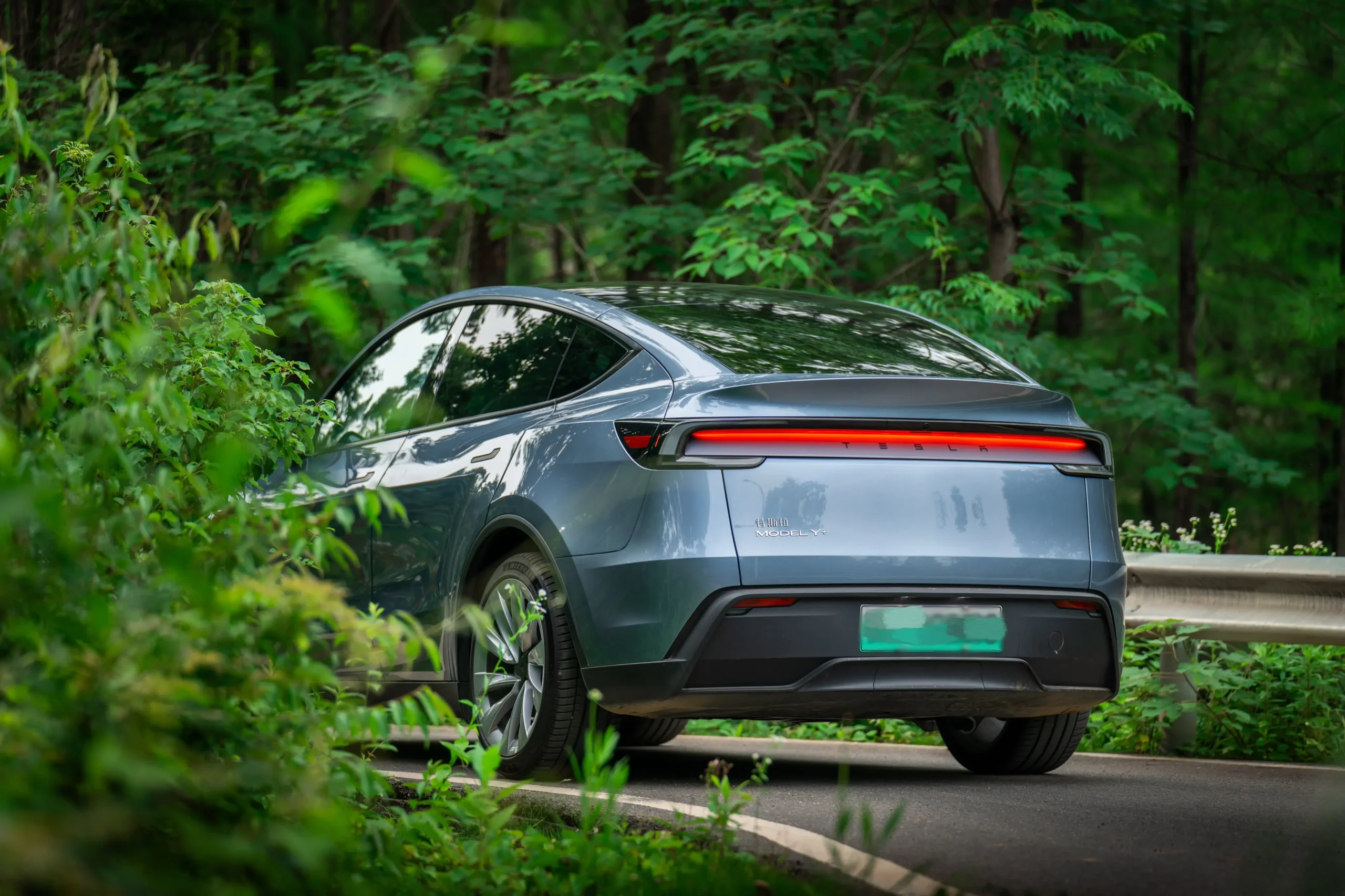
One such feature, which Musk has praised, is the heat pump and its energy efficiency system. Though not as flashy as Tesla’s Full Self-Driving (FSD) or its acceleration, the heat pump plays a crucial role in extending the range of the Model Y in colder climates—a challenge that many EVs face.
According to Musk, the heat pump, along with Tesla’s Octovalve thermal management system, is “a tiny engineering marvel” and one of the most impactful yet underappreciated components of the Model Y.
The Heat Pump and Octovalve: Why It’s So Important
The heat pump in the Model Y replaces the traditional resistive heating system found in many older EVs. Resistive heating consumes a lot of energy, which significantly reduces range during cold weather conditions. By contrast, the heat pump operates like an HVAC system, drawing heat from the ambient environment or the vehicle’s components and efficiently distributing it inside the cabin.
The Octovalve, part of Tesla’s integrated thermal management system, ensures that heat is recycled across different vehicle components. For example, waste heat from the battery or powertrain can be directed to warm the cabin, reducing energy waste. This results in much lower energy consumption during winter driving, which directly translates to better range.
In colder regions, drivers of many non-Tesla EVs often report drastic range drops—sometimes as high as 30–40%. With the heat pump and Octovalve system, the Tesla Model Y performs much better, making it more reliable for long-distance winter driving. This feature isn’t as hyped as Autopilot or the Model Y’s 0–60 mph acceleration, but Musk believes it’s a true game-changer for EV practicality.
Why Musk Calls It Underrated
When Musk discussed the Model Y’s heat pump during its unveiling and subsequent updates, he referred to the engineering challenges Tesla overcame to develop the compact yet powerful thermal system. According to Musk, the heat pump’s design is highly efficient and durable. For Tesla engineers, ensuring this system worked seamlessly across all weather conditions was as critical as optimizing the battery and drivetrain.
Other Underrated Features of the Model Y
Although the heat pump is at the top of Musk’s list, several other features of the Model Y often go unnoticed:
-
- Over-the-Air (OTA) Updates: Tesla’s ability to improve and add features via software updates means that the Model Y gets better over time without any visits to the service center.
- Cabin Space and Utility: With a flat floor and foldable rear seats, the Model Y offers ample cargo space—something that competes with traditional SUVs despite its compact design.
- Energy Efficiency: Beyond its battery range, Tesla’s regenerative braking system and aerodynamic design make the Model Y one of the most energy-efficient SUVs on the market.
- Panoramic Glass Roof: The UV-protected glass roof not only looks stunning but also offers a spacious, open feel for passengers.
- Minimalist Interior: While minimalism is sometimes criticized, the Model Y’s design eliminates clutter and focuses on a seamless driving experience, with almost all controls integrated into the central touchscreen.
Model Y rated highest in safety https://t.co/0dFXPfnQb6
— Elon Musk (@elonmusk) July 28, 2025
How the Heat Pump Improves the Driving Experience
Imagine driving in sub-zero temperatures. Most EVs would struggle with maintaining cabin warmth while conserving enough battery to achieve a reasonable driving range. The Tesla Model Y’s heat pump ensures the cabin heats up faster while using less battery energy. Additionally, the system dynamically adjusts based on driving conditions, battery temperature, and outside weather to keep everything running efficiently.

This feature becomes especially important for long road trips during winter. Drivers don’t have to worry as much about range anxiety, which is a common concern for EVs in cold climates.
Elon Musk’s Perspective
Musk often emphasizes that Tesla’s advantage lies not only in batteries and software but also in small engineering details that improve overall performance and user experience. The heat pump exemplifies this philosophy—it’s not flashy, but it addresses a real-world problem. Musk once stated that, for Tesla, “engineering practicality matters just as much as headline-grabbing features.”
FAQs
1. What is a heat pump, and how does it differ from traditional heating systems in cars?
A heat pump works by transferring heat rather than generating it from scratch, making it far more efficient than resistive heating systems. It can draw heat from the environment or vehicle components, which reduces energy consumption.
2. Does the heat pump improve the Model Y’s range?
Yes, the heat pump reduces energy consumption during cold weather, which helps maintain a higher driving range compared to traditional heating methods.
3. Can other Tesla models get a heat pump?
The Model Y was the first Tesla to feature the heat pump. Since then, Tesla has introduced similar systems in newer versions of the Model 3 and other vehicles.
4. Why does Elon Musk consider the heat pump underrated?
Most people focus on Tesla’s flashy features like Autopilot or FSD, while the heat pump quietly enhances efficiency and range, solving a major issue that affects EV owners in colder climates.
5. Is the heat pump maintenance-free?
Yes, like most Tesla components, the heat pump is designed to be low-maintenance. Tesla continuously optimizes its software to ensure the system runs efficiently.
6. Are there other overlooked features in the Model Y?
Yes, features like OTA updates, cabin spaciousness, and energy efficiency often go unnoticed but significantly enhance the user experience.
Conclusion
The Tesla Model Y is an impressive EV that offers a blend of technology, performance, and practicality. While most drivers rave about its acceleration or FSD, Elon Musk has highlighted the heat pump and Octovalve thermal management system as the vehicle’s most underrated feature.
By addressing range issues in cold weather and optimizing energy efficiency, the heat pump ensures a smoother and more reliable driving experience. It may not be as visible as other features, but its real-world impact is undeniable. As Tesla continues to innovate, features like the heat pump underscore Musk’s focus on solving practical problems that truly enhance the driving experience.