
Here’s a detailed overview of Stellantis’ plans to launch Leapmotor EVs in India, drawing from the most recent and reliable information available:
Strategic Context: Stellantis–Leapmotor Partnership
In 2023, Stellantis—a global auto major housing brands like Jeep, Citroën, and Maserati—acquired a 20–21% equity stake in Chinese EV maker Leapmotor, valued around €1.5 billion (or ~$1.6 billion). Their partnership is structured through a dedicated joint venture—Leapmotor International—where Stellantis holds a 51% controlling stake, granting it exclusive rights to export, sell, and manufacture Leapmotor EVs outside Greater China.
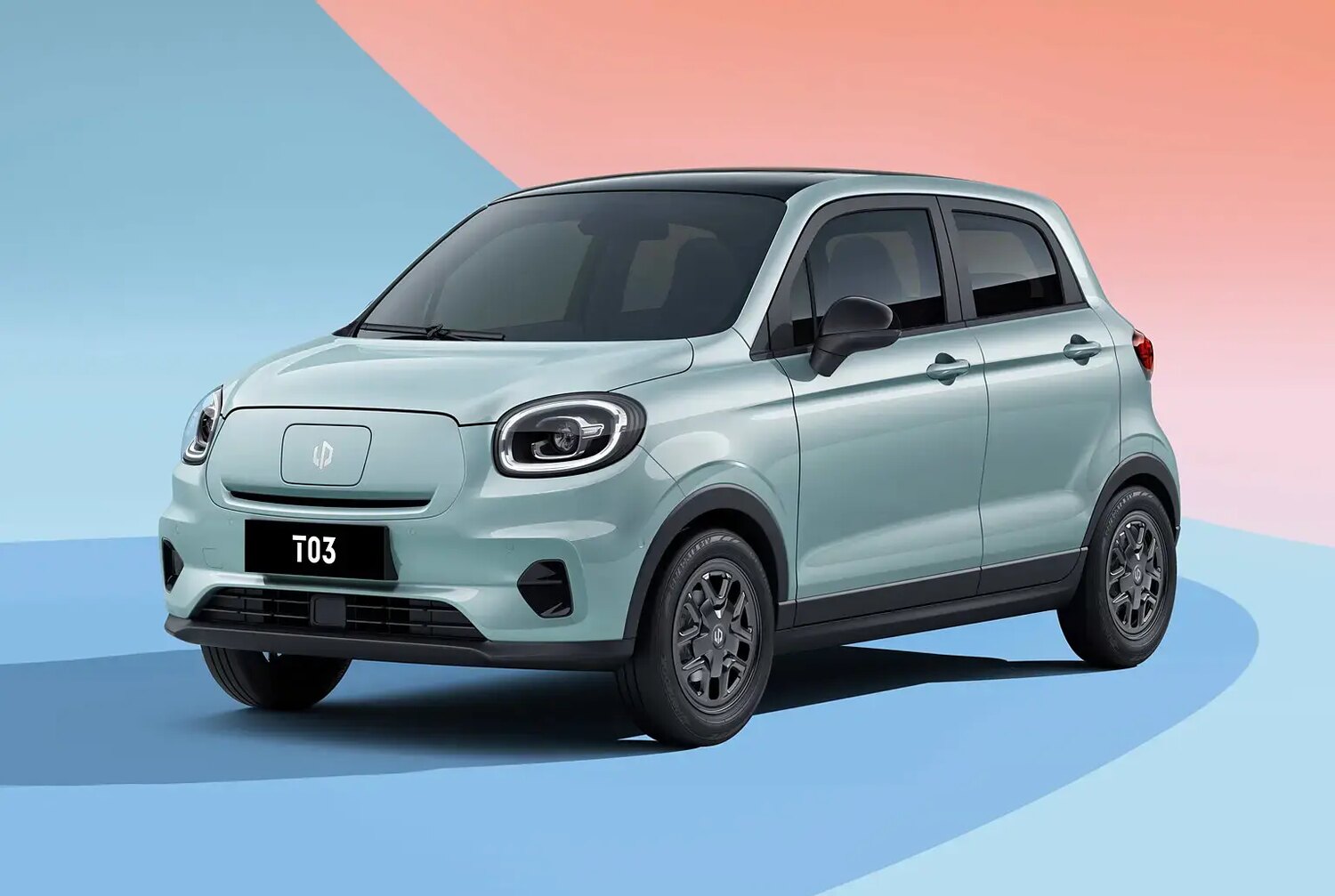
Under this JV, Stellantis began distributing Leapmotor models—initially the compact T03 city car and the C10 mid-size SUV—across nine European countries starting September 2024. The global rollout includes expansion into South America, the Middle East, Africa, Asia-Pacific (including India), from Q4 2024.
Leapmotor EVs in India: What’s Planned
Timeline & Strategy
- Stellantis aims to introduce Leapmotor EVs in India by the end of 2025, leveraging models developed by its Chinese partner Leapmotor.
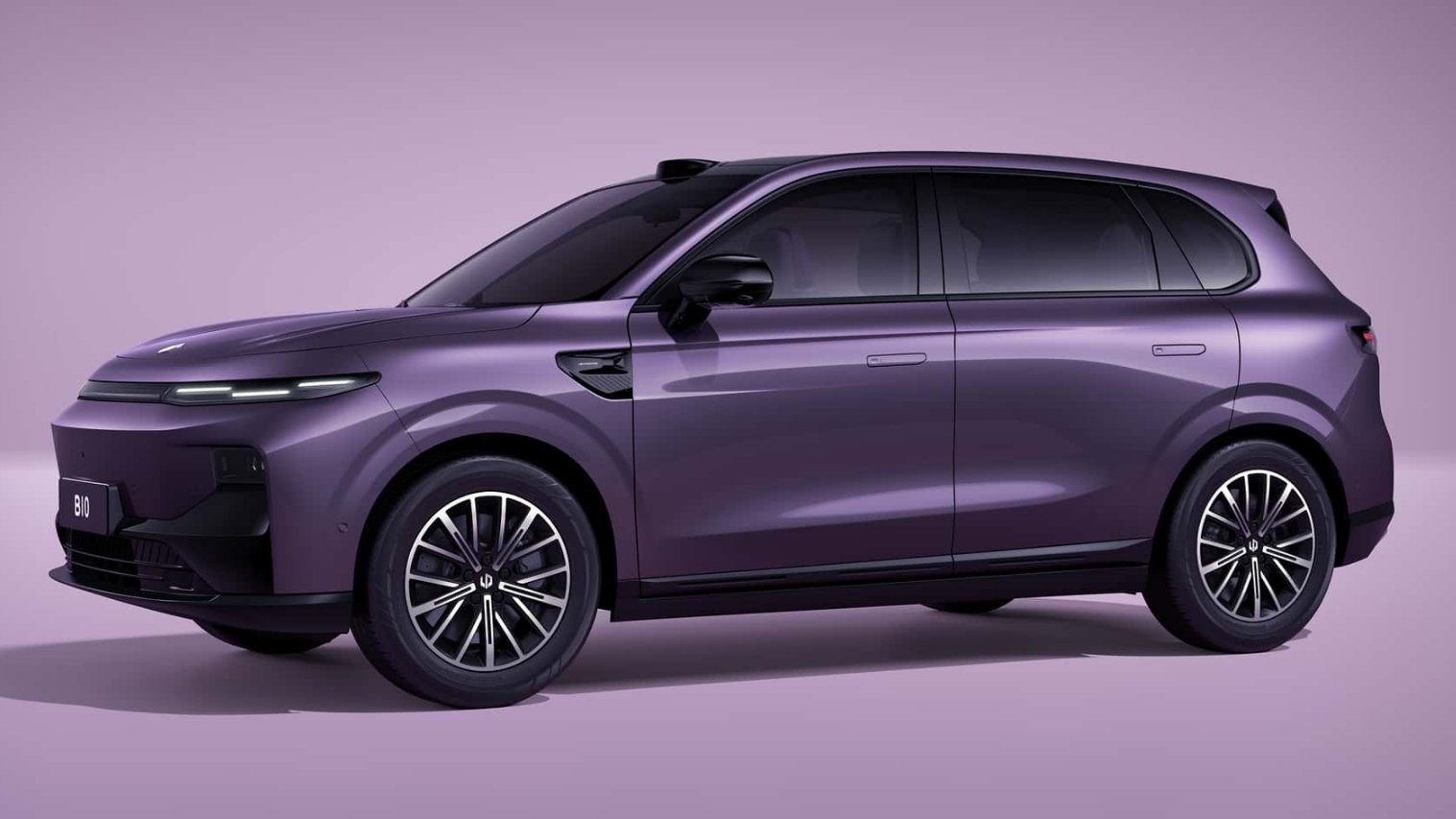
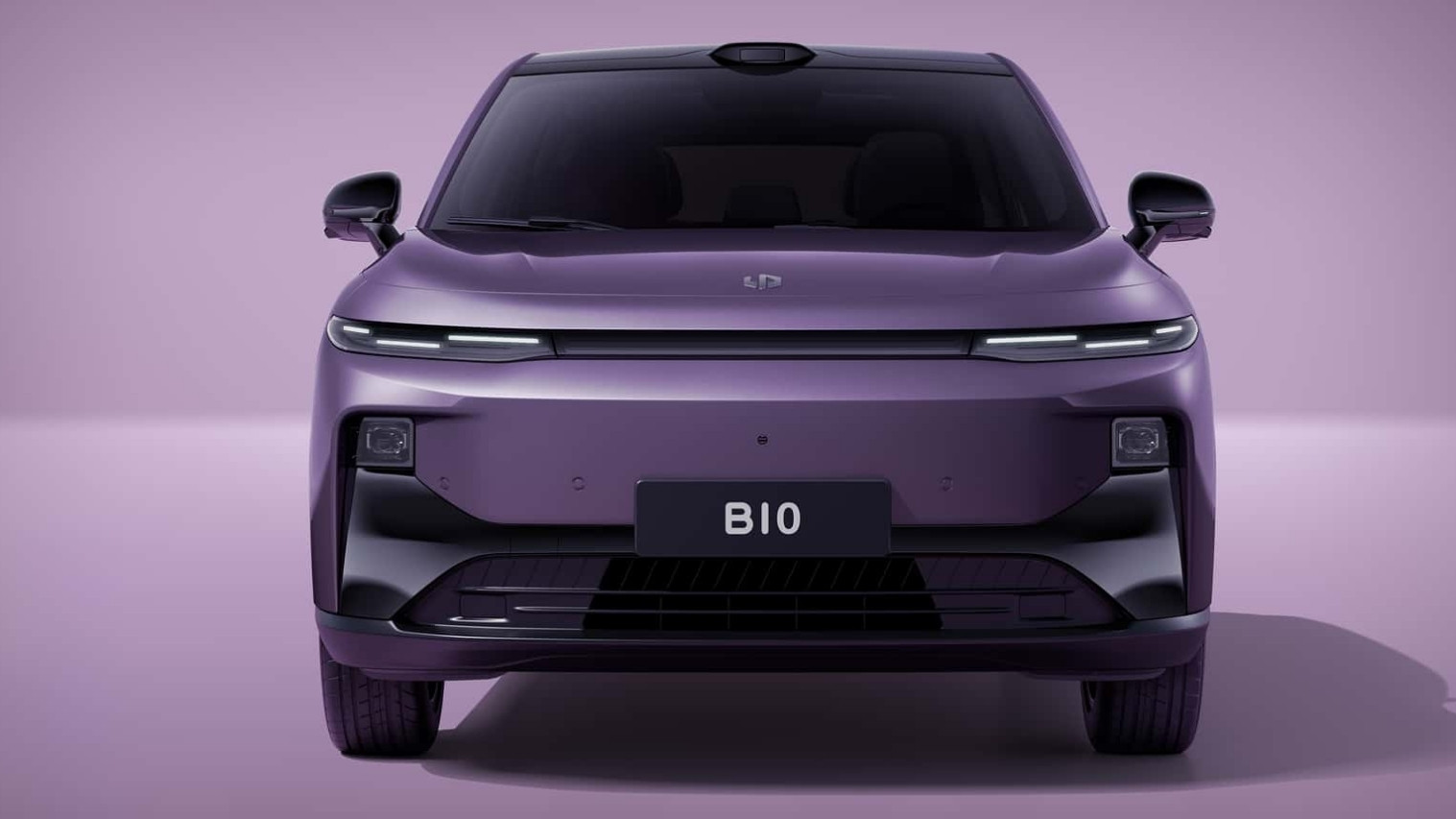
- The exact models to be launched in India have yet to be announced; however, available global models include the T03, B10 compact SUV, and C10 flagship SUV.
- Stellantis may consider export from China or assembly at its existing plants, including those in Europe or Indonesia, but acknowledges that volatile trade tariffs present challenges.
Leadership & Preparations
- Stellantis India has restructured its leadership in anticipation of the Leapmotor launch: Kumar Priyesh was appointed Business Head for retail, overseeing sales and network development for Jeep, Citroën, and soon-to-arrive Leapmotor.
- Shailesh Hazela, CEO & MD of Stellantis India, emphasized the strategic importance of India and excitement about bringing Leapmotor to the market.
Market Positioning
- In India, Leapmotor EVs will be pitched at premium EV buyers who value advanced technology and brand appeal—differentiating them from the target audiences of Stellantis’s current brands.
- The move positions Stellantis to compete not just with local EV players like Tata and Mahindra but also with other Chinese brands such as BYD and VinFast, which are also entering the Indian EV space.
Leapmotor’s Model Lineup: What Could Be India-Bound?
Here’s a snapshot of key Leapmotor vehicles that Stellantis may introduce in India:
| Model | Segment | Highlights & Spec (Global Markets) |
|---|---|---|
| T03 | City Hatchback (BEV) | Ultra-compact, budget EV; built in Poland until Mar 2025; 200–400 km range depending on battery; supports fast charging. |
| C10 | Mid-Size Crossover SUV | Available as BEV and EREV; WLTP range ~424 km (EV) or up to 950 km (EREV); premium features; launched in Europe & Asia markets. |
| B10 | Compact Crossover SUV (BEV) | Newer model (2025), based on LEAP 3.5 platform; range up to 600 km (CLTC); priced affordably; includes LiDAR and high-level ADAS in upper trims. |
| B01 | Compact Electric Sedan | Unveiled April 2025; range up to 650 km (CLTC); 800V architecture and advanced interior tech. |
Which one lands first in India may depend on:
- Pricing suitability for urban buyers vs. the premium market segment,
- Import viability versus local assembly economics,
- Infrastructure readiness and expected consumer preference (hatchback vs SUV vs sedan).
Market Considerations & Business Challenges
Tariff & Local Manufacturing
- India imposes high import duties on EVs, making local assembly or manufacturing crucial for competitive pricing—yet Stellantis has indicated it won’t participate in India’s revamped EV incentive policy, which favors local production.
- Using existing Stellantis plants abroad may mitigate tariffs, but logistics and cost fluctuations pose risks.
Competition
Leapmotor will enter a growing Indian EV market with established and emerging players:
- Tata and Mahindra dominate domestic EV sales,
- BYD is already present,
- VinFast and others are entering,
- Stellantis aims to differentiate through advanced technology, premium positioning, and global brand backing.
Infrastructure & Brand Network
- Stellantis can innovate by leveraging its existing dealer network (Jeep, Citroën) for service and distribution of Leapmotor vehicles.
- Leapmotor’s success will depend on seamless after-sales support, charging infrastructure partnerships, and marketing as a premium, tech-first brand.
Broader Implications & Future Outlook
Leapmotor’s Global Ambitions
- Leapmotor CEO projected global sales of 1 million units in 2026, with 60% coming from outside China, and plans to expand its vehicle portfolio to 15 models by 2027—including plug-in hybrids.
- India plays a critical part in the company’s broader expansion across Europe, South America, the Middle East, Africa, and Asia-Pacific.
Stellantis’ Strategic Positioning
- By adding Leapmotor, Stellantis makes a strategic leap into EVs without having to reinvent everything in-house.
- It enhances the group’s EV footprint significantly and aligns with the global shift toward electrification.
Future Products & Local Strategy
- Given Leapmotor’s rapid innovation—with models like B01 and B10 debuting in 2025—India might see newer, more advanced models than what’s available in Europe initially.
- Stellantis may opt for a phased rollout: start with T03 or C10 for brand establishment, followed by B10/B01 as technology adoption increases.
Summary
Stellantis is preparing to launch Leapmotor EVs in India by the end of 2025, marking a significant step in its EV expansion strategy. The move leverages its Stellantis–Leapmotor JV to offer premium, tech-forward models—potentially including the city-oriented T03, compact crossover B10, or larger C10 SUV.
Key challenges include navigating import tariffs, choosing the right model lineup, and establishing a compelling value proposition amid growing EV competition. Nonetheless, the strategic synergy and global footprint of Stellantis, paired with Leapmotor’s rapid innovation, position this venture for meaningful impact in India’s EV market.