
Here’s a clear explainer on what Uber and Momenta plan to do in Munich—and why it matters for autonomous mobility in Europe.

What’s Been Announced
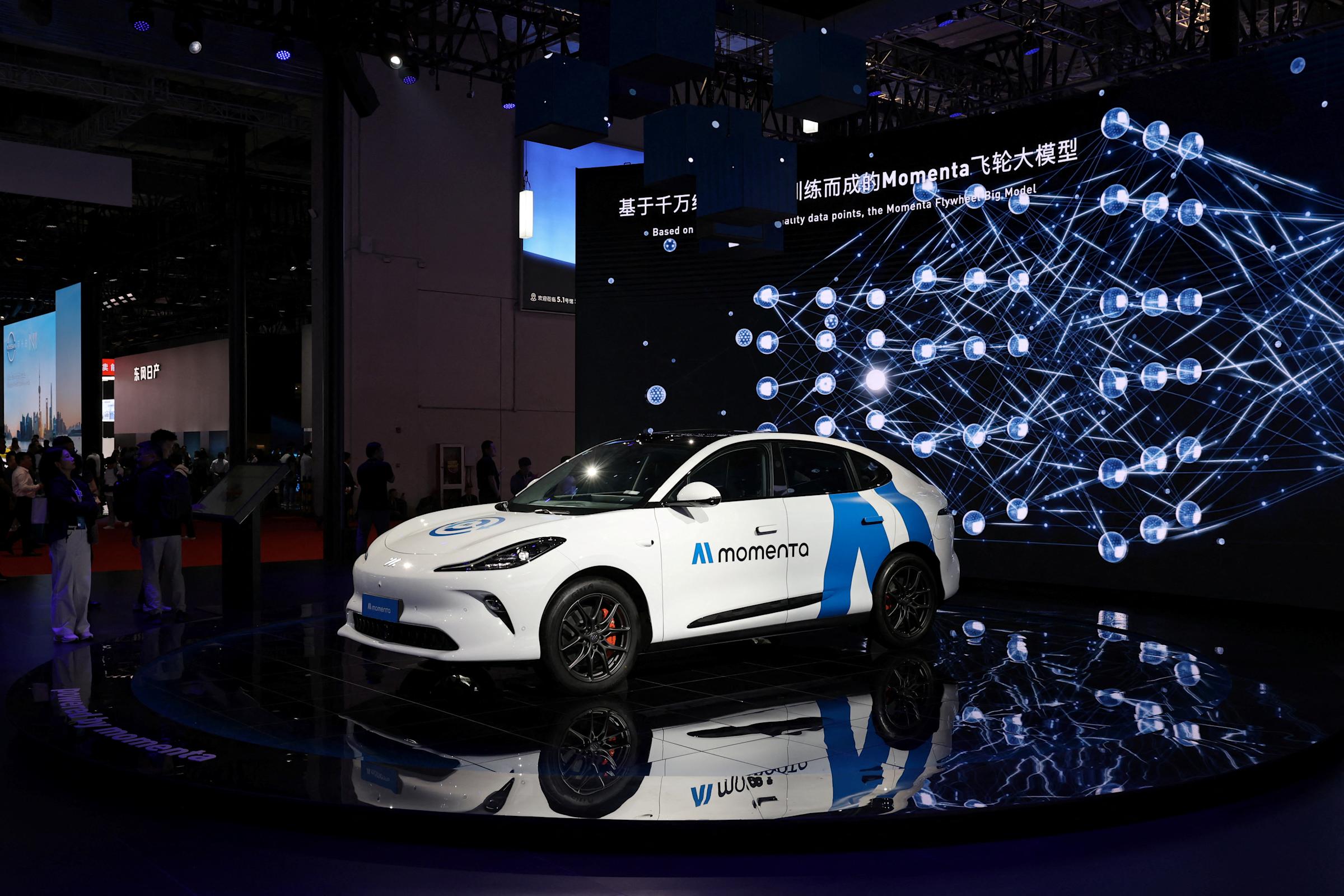
Uber and Chinese autonomous-driving company Momenta say they will begin testing Level 4 robotaxis in Munich, Germany, in 2026. Level 4 (L4) means the vehicles can operate without a human driver within pre-defined areas and conditions; the rollout will start with human safety operators on board and then progress toward fully driverless operations if regulators approve and performance is demonstrated.
This Munich program is framed as a first European deployment for the partnership, to expand to other cities after the pilot phase. Uber will integrate Momenta’s self-driving stack into its global ride-hailing platform so riders can request AV trips through the familiar Uber app as the pilot opens up.
Why Munich—and why Germany?
Munich isn’t just a big, affluent city with strong demand for mobility; it’s the engineering heartland for many German automakers and suppliers. Germany is also among the most advanced major markets in terms of national rules for Level 4 operation.
Since 2021, the country’s legal framework has allowed driverless vehicles in designated “operating areas,” subject to strict technical supervision, redundancy, and type-approval requirements. In other words, the law anticipates L4 services, provided companies prove safety and stay within agreed geofences and use cases.
That backdrop helps explain why Munich is a logical European launchpad: it combines regulatory readiness with a deep local automotive ecosystem (BMW, Mercedes-Benz, and others) that already collaborates with Momenta on driver-assistance and autonomy programs.
What Will the Testing Look Like?
- Phase 1: Safety-operator rides. Early 2026 pilots will include trained safety operators who can assume control. This is common practice in new AV markets and lets operators gather real-world data while working through certification milestones.
- Phase 2: Towards driverless. The goal is fully driverless (no safety driver) operations within defined zones once regulators are satisfied and performance is validated—what Level 4 specifically enables.
- Integration with Uber. Riders shouldn’t have to download anything new; the AV option will appear inside the Uber app, with service areas and availability growing over time if the pilot succeeds.
Who is Momenta, and what does each partner bring?
Momenta (founded 2016) is among China’s leading autonomy companies, with robotaxi operations in Shanghai and technology partnerships with major automakers. It supplies software for advanced driver-assistance and autonomy and has been scaling deployments through OEM deals.
Uber contributes a massive demand platform, operational playbooks for onboarding AV partners, and experience integrating autonomous services into its rider app in multiple regions. Together, they’re attempting a platform-plus-stack model: Momenta focuses on driving intelligence; Uber handles demand, fleet orchestration, and customer experience.
How does this fit into the European AV landscape?
Europe has lagged the U.S. and China in commercial robotaxi operations, but 2025–2026 is shaping up as an inflection period with multiple announcements pointing to first-wave deployments. The Uber–Momenta Munich pilot is part of that broader shift, alongside other players indicating 2026 timelines and trials across Germany and the U.K.
The signal: regulators are opening defined pathways for L4 pilots, and global AV firms view Europe as the next major arena—starting with controlled geofenced services tied to clear safety oversight.
What about safety and regulation?
Germany’s approach centers on “technical supervision”: even when there’s no driver in the vehicle, a trained human oversees fleets remotely and can intervene (e.g., by commanding a safe stop) if anomalies occur.
Vehicles must pass homologation and type-approval with evidence of redundant braking, steering, power, and fail-safe behaviors. Expect the Munich pilot to proceed deliberately through safety-operator phases and restricted service zones, expanding only as performance and compliance milestones are met.
What riders and the city could expect
- Gradual, geofenced coverage. Early availability will likely concentrate around well-mapped corridors, business districts, airports, or stations—places with predictable traffic patterns and lots of demand.
- Transparent ride experience. In-app disclosures typically indicate when a ride is autonomous, where it can travel, and what to do if assistance is needed.
- Data-driven expansion. As vehicles log safe miles, service areas and hours can expand.
- Policy collaboration. The city and federal authorities will align on safety metrics, incident reporting, cybersecurity, and how AVs interact with public transport, bikes, and pedestrians—key elements in European urban contexts.
Competitive implications
Uber’s Munich pilot keeps pace with a surge of global AV tie-ups and gives Uber a European foothold that complements its partnerships elsewhere. For Momenta, Munich is a strategic European showcase—in the shadow of its OEM partners—and a route to scaling beyond China. For incumbents and newcomers in Europe, it raises the bar on technical maturity, regulator engagement, and rider-app integration needed to move from demos to real services.
What to watch between now and launch
- Certification milestones. Watch for notices on designated operating areas (geofences), safety cases, and type approvals—prerequisites to driverless ops in Germany.
- Safety-operator period length. The duration of the supervised phase will hint at how fast the program is meeting performance gates.
- OEM/builder partnerships. Which vehicles will carry Momenta’s stack in Munich? Given Momenta’s ties with German OEMs, hardware choices could be a strategic tell.
- Expansion roadmap. If Munich progresses smoothly, expect announcements of one or more additional European pilot cities tapping the same Uber-platform integration.