
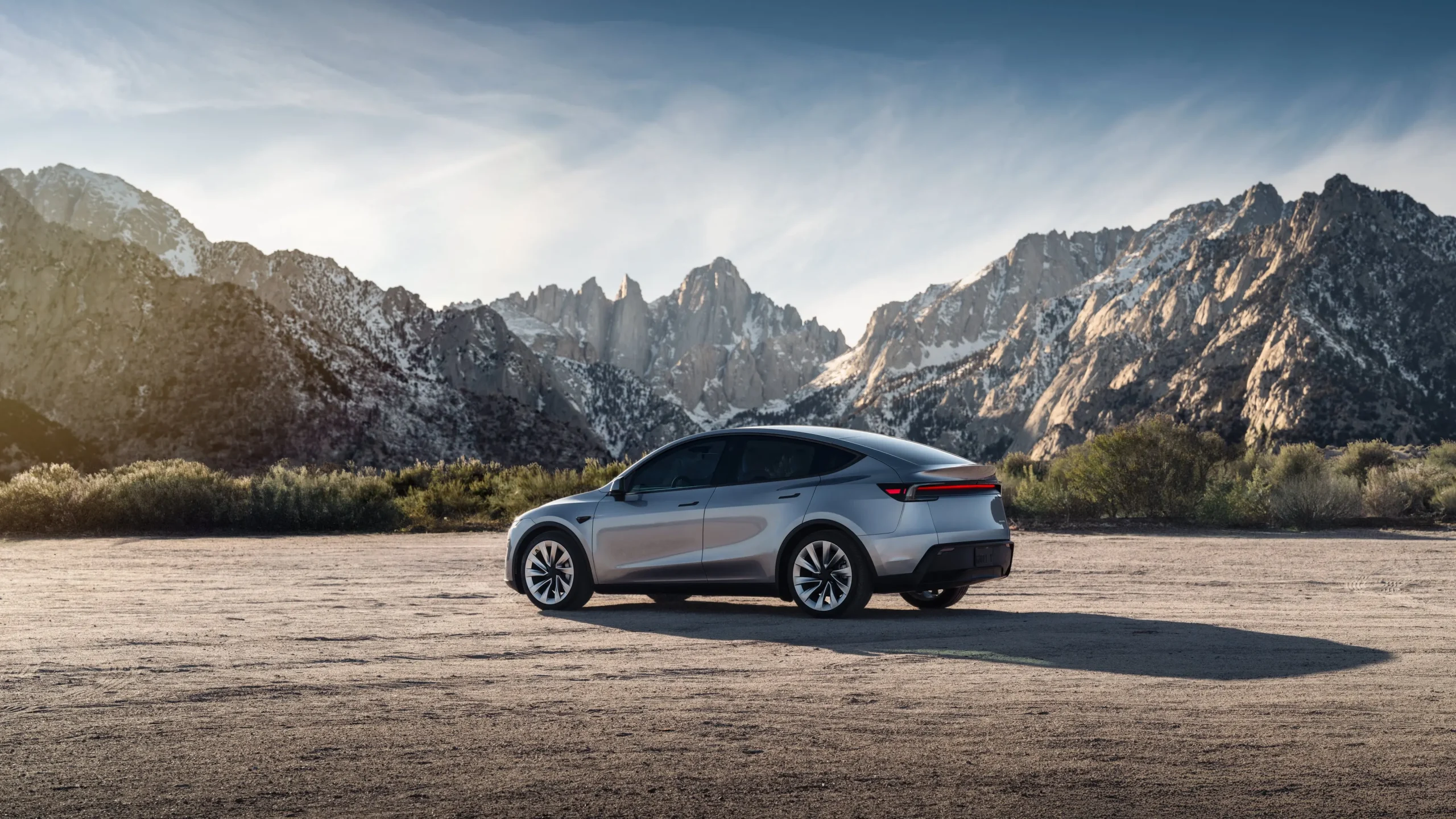
While the Tesla Model 3 is a highly innovative and stylish electric car, many new owners are surprised to learn that it technically does not have a traditional sunroof. Instead, the Model 3 features an expansive all-glass roof that stretches from the front windshield to the rear window.
- One-Pedal Driving in Honda Hybrid
- Types of Electric Cars
- Electric Car Charging Time
- Volvo Electric Car Lineup
- Ford’s Electric Car Lineup
- Top 20 Trending Electric Cars
- Exploring the Hyundai Kona Electric
- Features of the Sony Honda Electric Car
- MINI Cooper SE: Electrifying Performance
How To Open the Sunroof on a Tesla Model 3
This fixed roof offers a panoramic view, exceptional UV protection, and an open, airy feel for passengers, but it doesn’t open like a conventional sunroof. However, there are still features that mimic the feel of a sunroof and functionality you might expect from one. In this guide, we’ll explore the reality of the Tesla Model 3’s roof design, how to control ventilation and sunlight, and some aftermarket or accessory options that provide a “sunroof-like” experience.
Understanding the Tesla Model 3’s Roof Design
The Tesla Model 3 comes standard with an all-glass roof. This is a solid panel made from tinted and laminated glass. It extends from just above the front seats to the back, merging seamlessly into the rear window. The glass is UV and infrared-protected so that passengers won’t be exposed to harmful rays or extreme heat, even on sunny days.
Unlike older Tesla models such as the Model S and the discontinued Model X configurations that included retractable or tilt-up sunroofs, the Model 3’s glass roof does not open.
Why Doesn’t the Model 3 Have an Opening Sunroof?
Tesla’s design philosophy emphasizes simplicity, structural rigidity, and safety. A fixed panoramic glass roof allows for:
-
Improved headroom and visibility.
-
Better structural integrity, which can be crucial in rollover scenarios.
-
Reduced mechanical failure risks, as there are no moving parts to maintain or repair.
By avoiding the complications of traditional sunroofs—leaks, motor failures, and extra weight—Tesla enhances overall reliability and design purity.
How To Control Airflow Like a Sunroof
Even though the roof doesn’t open, Tesla gives drivers several ways to simulate the airflow benefits of a sunroof using the vehicle’s advanced HVAC (heating, ventilation, and air conditioning) and window systems.
a. Vent the Windows Remotely
Tesla’s mobile app allows users to vent the windows slightly with the tap of a button. This is ideal on hot days to allow built-up heat to escape before you get into the car.
Steps:
-
Open the Tesla app.
-
Tap your vehicle.
-
Tap “Climate.”
-
Select “Vent.” This will lower the windows slightly to allow airflow.
b. Activate Cabin Overheat Protection
Another way to manage interior temperature is through Cabin Overheat Protection. While not a sunroof function, it keeps your cabin cooler on hot days by automatically activating the A/C or ventilation when temperatures rise.
Steps:
-
Go to your Tesla touchscreen.
-
Tap “Controls” > “Safety.”
-
Scroll to “Cabin Overheat Protection” and turn it on (A/C or fan only).
c. Use the HVAC Fan and Vent Settings
Tesla’s air circulation system can direct air toward the roofline to simulate the cooling feeling you might get from a sunroof. You can control the fan direction and speed from the touchscreen.
-
Tap “Climate” on the screen.
-
Adjust the airflow direction upward.
-
Use “Auto” or manually raise the fan speed.
Letting in Sunlight – Adjusting Tint and Shade
While the Model 3 roof doesn’t have a retractable sunshade, its tint is designed to limit harsh sunlight. However, if you want more or less light, there are a few options:
a. Add a Sunshade or Mesh Cover
Many Tesla owners opt to purchase aftermarket sunshades that can be installed inside the cabin roof. These mesh-style screens block heat and reduce glare, simulating a closed sunroof.
Popular brands include:
-
Topfit
-
BASENOR
-
Tesla official sunshades (available in Tesla’s online shop for the Model 3)
b. DIY Tint Adjustments
If you want more privacy or better sun blocking, some Tesla owners apply additional ceramic tint film over the factory-tinted roof glass. This can be done professionally and tailored to your local climate needs.
Can You Install a Real Sunroof on the Model 3?
Technically, installing a traditional sunroof on a Tesla Model 3 would require cutting into the structural glass roof, which:
-
Void the warranty
-
Compromising vehicle safety
-
It is extremely expensive and risky
For this reason, no reputable shop will install a functional sunroof on a Model 3. Tesla does not offer any version of the Model 3 with an opening roof, so modifying it is strongly discouraged.
Using Voice Commands for Ventilation (Bonus Tip)
You can also use Tesla’s voice commands to vent windows or start climate control:
Try saying:
-
“Open all windows.”
-
“Vent windows”
-
“Turn on A/C.”
-
“Set temperature to 22 degrees.”
This adds convenience when you’re driving or walking toward your vehicle.
Future of Sunroofs in Teslas
For now, the all-glass roof on the Model 3 reflects a modern approach to sunlight, safety, and style—even if it doesn’t slide open like sunroofs of the past.
Conclusion
While the Tesla Model 3 does not have a traditional sunroof, its expansive all-glass roof offers a panoramic experience unlike any other. Tesla substitutes mechanical sunroof functionality with smart ventilation, remote app features, climate control, and optional accessories.
Though you can’t roll it back and feel the wind in your hair, the thoughtful design achieves similar benefits with less complexity and more elegance. For those who truly miss the sensation of an open roof, utilizing a combination of airflow tricks, remote venting, and UV protection accessories can deliver a sunroof-like experience—Tesla-style.