
Indian conglomerate JBM Group (USD 3.3 billion) has forged a strategic joint venture with Portuguese automotive‐components specialist Sodecia Automotive International SA to set up a state-of-the-art hot stamping manufacturing facility in the Chakan region of Pune, Maharashtra.
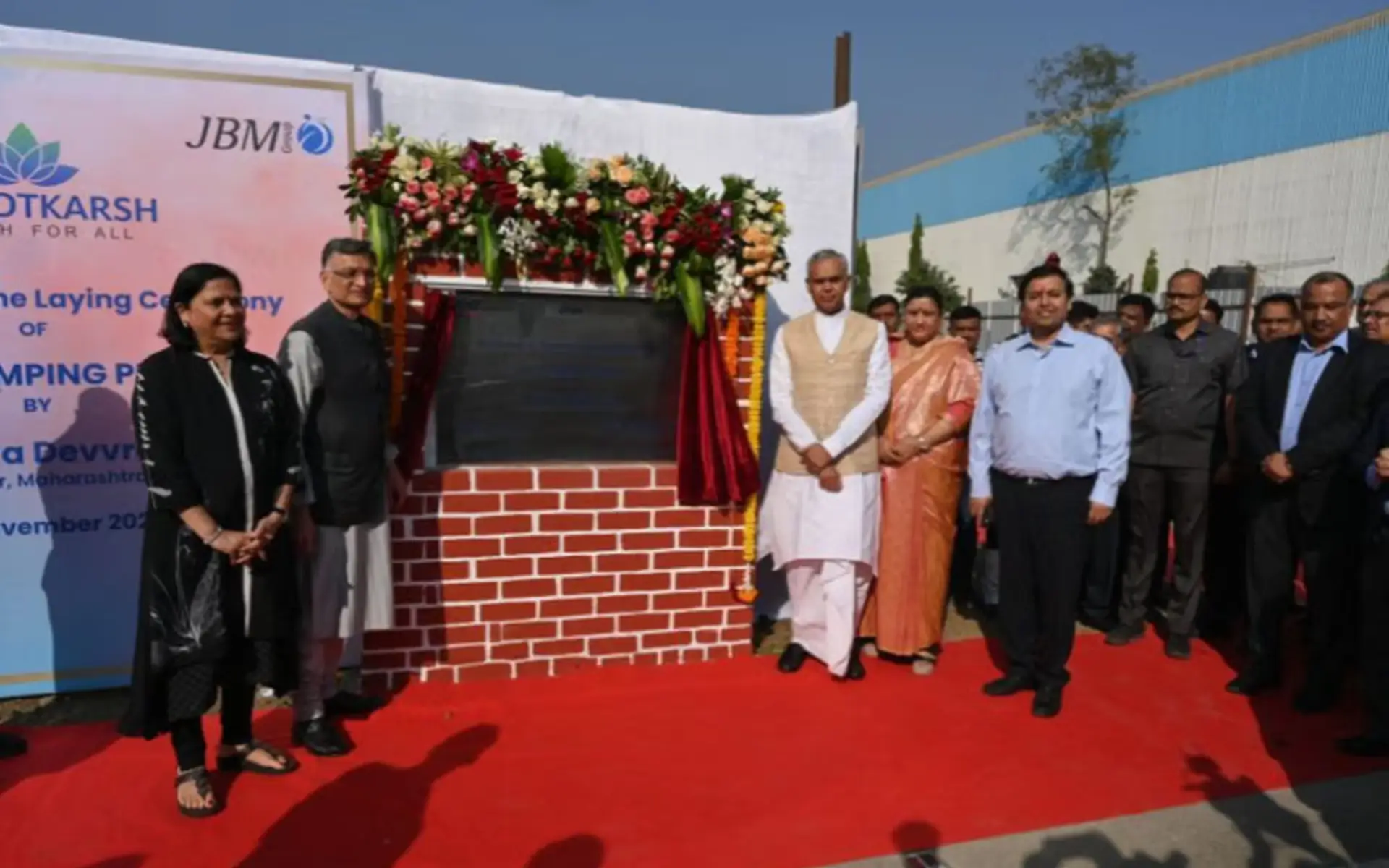
Strategic Tie-Up: JBM & Sodecia
The tie-up combines JBM’s manufacturing footprint in India with Sodecia’s global expertise in hot stamping/press‐hardening technology, aiming to serve both internal combustion engine (ICE) and electric vehicle (EV) platforms.
Investment & Timeline
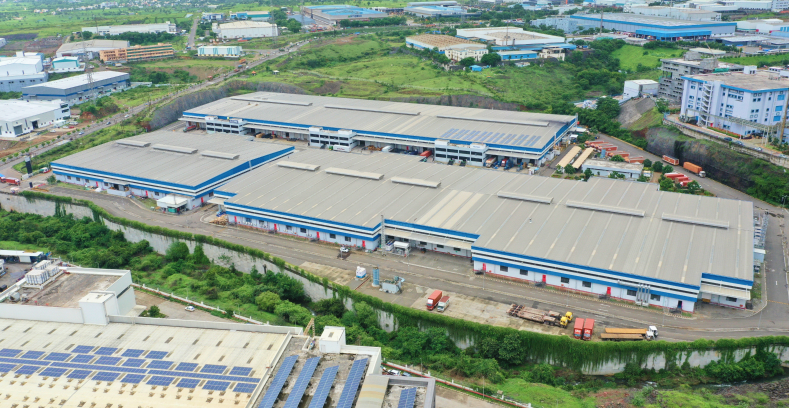
The project entails an investment of approximately ₹150 crore (~USD 18–20 million) to build the facility in the Chakan Industrial Area. The plant is expected to commence operations by the second quarter of FY27, aligning with the growth curve of India’s automotive manufacturing sector.
Plant Focus and Technology
The facility will specialise in manufacturing hot‐stamped, ultra-high-strength, lightweight components that are critical for modern vehicle architectures — particularly EVs, where weight reduction equates to efficiency and range gains.
Hot stamping (or press hardening) involves heating sheet-metal blanks to very high temperatures, then rapidly cooling them in precision dies to achieve superior tensile strength at lower weight, making the technique pivotal for next-gen automotive design. Beyond EVs, the plant will also cater to ICE vehicle platforms, enabling flexibility across automaker demands in India.
Why This Matters For India & The Region
- Strengthening localisation – With global OEMs ramping up manufacturing in India, this JV adds a high-value component supply chain asset domestically, reducing dependence on imports.
- EV ecosystem readiness – As India accelerates toward electrification, lightweight high-strength parts are becoming increasingly essential for EV platforms. The new plant is well placed to serve this trend.
- Job creation & regional boost – The facility at Chakan is expected to bring manufacturing jobs, supply-chain activity, and industrial momentum to the Pune region.
- Technology transfer – Through collaboration with Sodecia, JBM will deepen its technology stack in hot stamping and high-end manufacturing, enhancing its competitiveness globally and for India’s OEM landscape.
Leadership Perspectives
S. K. Arya, Chairman of JBM Group, commented:
“Our joint venture with Sodecia underscores JBM Group’s commitment to developing world-class manufacturing capabilities and bringing best-in-class global technologies to India.”
Rui Monteiro, CEO of Sodecia, added:
“We are delighted to partner with JBM Group, a respected industry leader with strong manufacturing capabilities and long-standing OEM relationships. This JV allows us to bring our global hot stamping expertise to one of the fastest-growing automotive markets in the world.”
Outlook and Key Considerations
- Demand trajectory: With regulatory pressures on emissions and weight reduction, demand for hot-stamped components is set to rise in India.
- OEM integration: The success of the plant will depend on securing supply contracts with automakers (both ICE and EV) and aligning with their platform timelines.
- Technology adoption: Effective ramp-up and assimilation of Sodecia’s technology will be critical to deliver high-quality, cost-competitive components.
- Infrastructure & ecosystem: Chakan’s industrial infrastructure, logistical support, and skilled workforce will shape the plant’s performance and scalability.
- Global competitive position: The JV places India’s component manufacturing closer to global benchmarks, potentially enabling exports in the future.
Conclusion
The JBM–Sodecia joint venture marks a significant step for India’s automotive component manufacturing landscape. By establishing a ₹150 crore hot stamping plant in the Pune region, the collaboration not only bolsters local manufacturing but also aligns with the shift toward lightweight, high-strength components for EVs and ICE vehicles alike. With operations slated for Q2 FY27, this facility could become a cornerstone of India’s ambition to be a global mobility manufacturing hub — especially for advanced powertrain and vehicle architectures.
This development also signals to OEMs and technology suppliers that India is steadily building the manufacturing foundations required for next-generation mobility. For regions like Pune and industrial clusters like Chakan, the impact could trickle across the supply chain, job market, and regional economy.
In short: a well-timed investment that leverages global technology, Indian manufacturing strength, and the accelerating shift in vehicle architecture — and one worth following closely for its implications on India’s mobility future.