
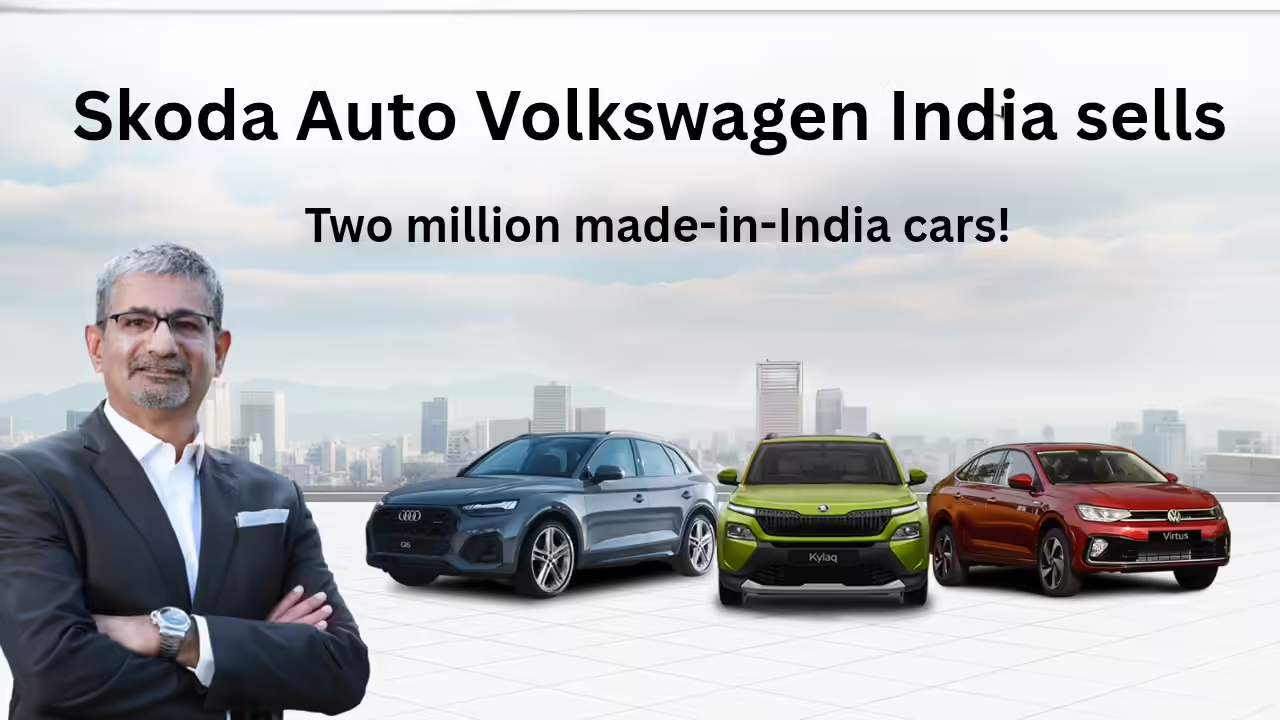
In a significant achievement for India’s automotive industry, SAVWIPL has officially crossed the two-million vehicle production mark in its Indian manufacturing operations.
This milestone marks a major step in the company’s 25-year journey in India and underscores its growing role as both a domestic manufacturer and export hub.
A Milestone That Speaks Volumes
The announcement highlights that the two million vehicles produced include more than 500,000 units built on the MQB-A0-IN platform, which was developed domestically and powers key models such as the Škoda Kushaq, Škoda Slavia, Škoda Kylaq, the Volkswagen Taigun, and Volkswagen Virtus.
Notably, the last 500,000 units alone were produced in just about 3.5 years, demonstrating the accelerated scale of operations.
Why This Matters For India
- Local manufacturing strength: SAVWIPL’s production capability in India reiterates the country’s importance in the global manufacturing footprint of the Volkswagen Group. The MQB-A0-IN platform, engineered with local teams, shows a localization strategy in motion.
- Exports rising: The company has shipped more than 700,000 vehicles from India to international markets, including Latin America, Africa, Southeast Asia, and the Middle East.
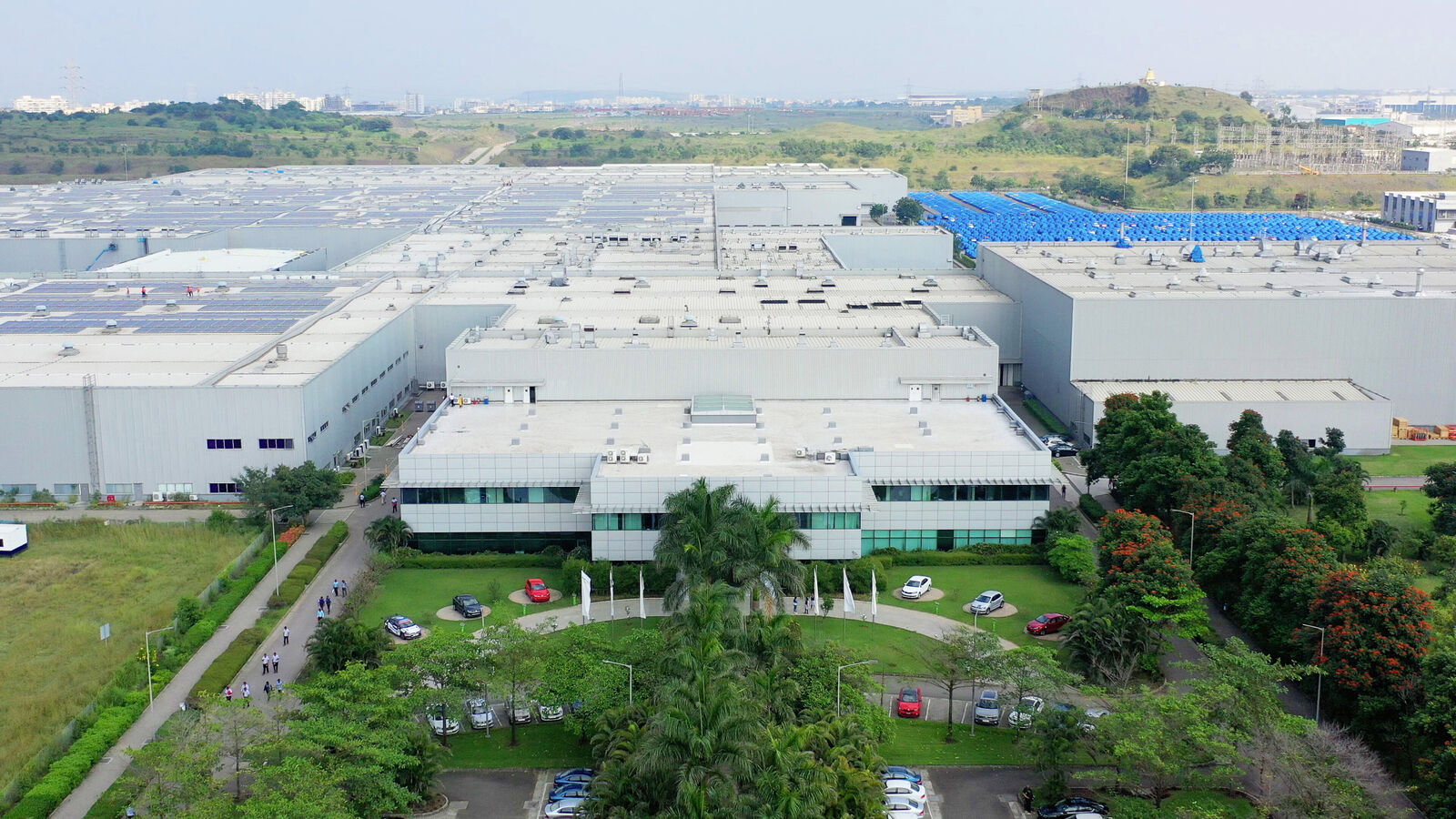
- India as a hub: With state-of-the-art facilities in Pune and Chakan, the company emphasises “Made in India, driven by the world.”
Key Drivers of the Growth
- Platform strategy (MQB-A0-IN) – By developing a platform tailored for India, the company has achieved high localisation and efficiency, driving volumes in both domestic and export markets.
- Product portfolio – Popular models such as Kushaq, Slavia, and Taigun have resonated with Indian buyers and helped push production numbers.
- Investment and localisation – Significant investments in Indian manufacturing and local engineering have built deeper capability and agility.
- Export push – Leveraging India’s manufacturing base to serve global markets has helped scale production beyond purely domestic demand.
Context For SEO & Key Phrases
When optimizing for search, the following keywords and phrases become relevant:
- “Skoda Volkswagen India has produced two million vehicles.”
- “SAVWIPL production milestone India”
- “MQB-A0-IN platform India manufacturing”
- “Made in India, car export hub Volkswagen Group India”
- “Volkswagen Taigun Kushaq made in India export”
Including these phrases naturally will help search engines recognise the article’s relevance to relevant automotive manufacturing milestones in India.
Implications For the Indian Automotive Ecosystem
- Boost to confidence: Achievements like this reinforce India’s position as a viable place for large‐scale automotive manufacturing, attracting further investment.
- Supply-chain localisation: As volumes grow, the demand for local tier-1 and tier-2 suppliers will increase, creating more opportunities for component makers in India.
- Export strengthening: India’s role as not just a consumption market but as an export base will strengthen, supporting the country’s “Make in India” ambitions.
- Technology transfer: With platforms developed locally and engineered for India, the knowledge and capability built here can feed back into global operations, elevating India’s role in the global auto value chain.
Challenges & What’s Next
Despite the milestone, the journey ahead has hurdles: market competition, regulatory pressures (especially for future EVs), and cost management remain critical. As an example, the Volkswagen Group is reportedly revamping its India operations to become leaner and more agile.
SAVWIPL will also need to sustain momentum by introducing new models, possibly electrified variants, enhancing localisation further, and navigating shifting consumer preferences.
Conclusion
Crossing the two-million vehicle production mark is more than just a number for Škoda Auto Volkswagen India. It signifies the maturation of manufacturing, export capability, and local engineering strength. For India, the milestone is a reflection of how global automakers are turning to the country not merely as a market, but as a strategic manufacturing and export base.
As the company moves forward, its ability to innovate, localise, and scale further will determine how it leverages this milestone into sustained growth. For the Indian automotive ecosystem, this is a signal of what’s possible — and a timely reminder that the country’s role in global mobility is only increasing.