
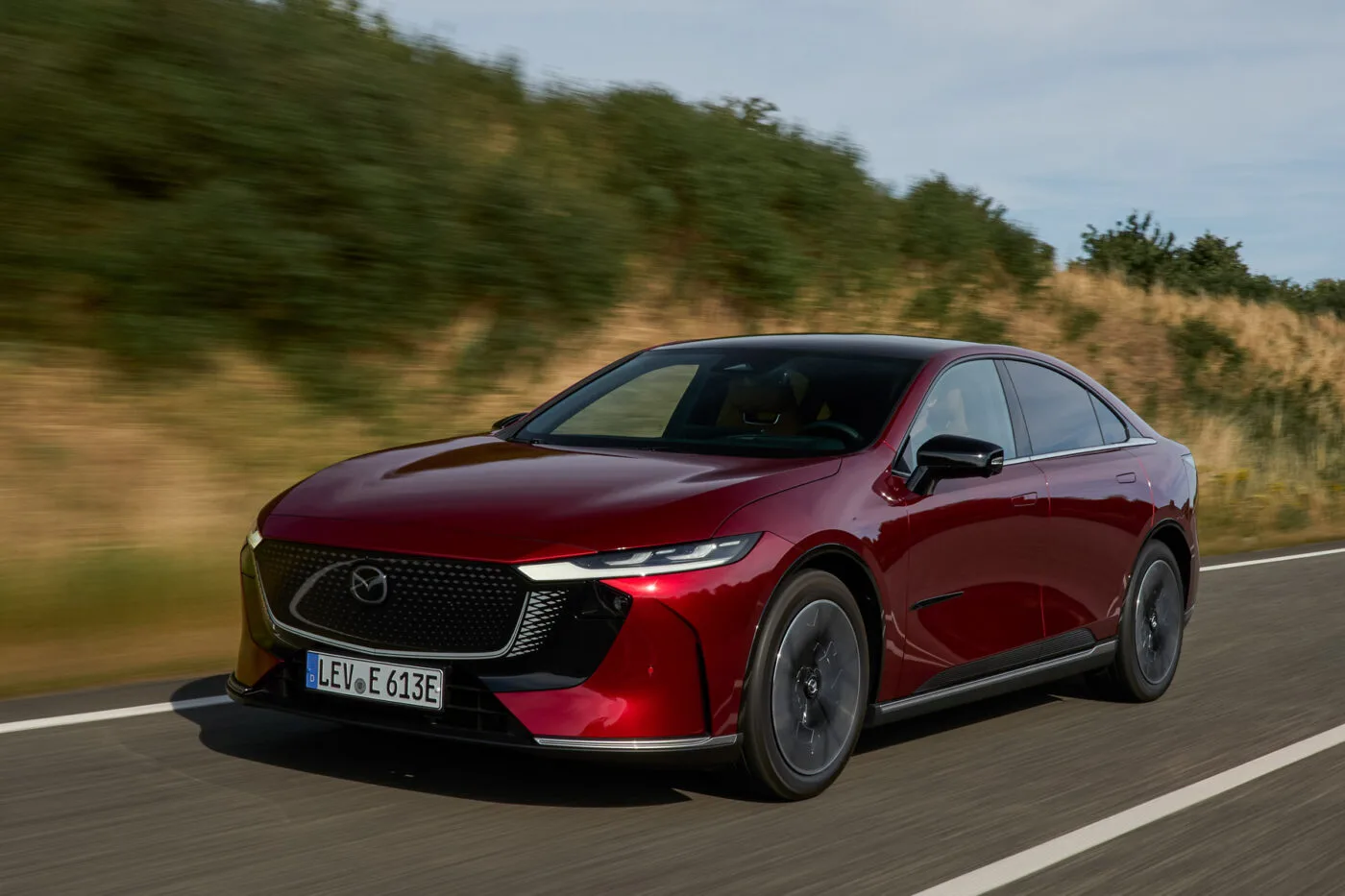
On August 26, 2025, Electrive reported that Mazda has officially launched Mazda Charging, a new electric vehicle charging app across Europe, timed to coincide with the debut of the all‑new Mazda 6e electric sedan.
This move reinforces Mazda’s growing commitment to fully embedding electrification into every facet of its user experience—from vehicle to software.
The app was developed in collaboration with Zurich-based autoSense AG, a company that specializes in app‑based automotive charging solutions. Operating across the continent, but with particularly strong coverage in Switzerland and Liechtenstein (around 20,000 charging points), the app aims to simplify charging with transparent, intelligent functionality.
Key Features and Functionality
1. Extensive Network Access
Although specifics on individual partner networks or charger types weren’t fully disclosed, coverage in Switzerland and Liechtenstein is clearly emphasized.
2. Real-Time Information
The app delivers:
- Real-time availability of charging spots,
- Power output data, showing charging speed,
- Transparent pricing, helping users anticipate costs upfront.
3. Integrated Charging Control
Users can start, stop, and pay directly through the app, eliminating friction in the charging process. There’s no subscription required, and it supports multiple local languages and currencies, enhancing usability across diverse markets.
4. Payment Flexibility
Multiple payment options are available, increasing convenience and adapting to varying user preferences.
5. RFID Charging Card
As an alternative to smartphone use, Mazda Charging offers an RFID charging card, enabling users to initiate and terminate charging sessions without needing to unlock their phones.
6. In-App Customer Support
Customer support—provided through autoSense—is built into the app, offering help precisely when and where it’s needed.
7. Future Enhancements
Mazda plans to add advanced features inspired by smart charging trends, such as cost-optimized charging (e.g., selecting cheaper time slots) and the integration of green energy sources for more sustainable charging options.
Strategic Significance and Commentary
Empowering the Driving Experience
Positioning the Mazda 6e Ecosystem
This app launch coincides with—and complements—the arrival of the Mazda 6e, signaling a shift toward integrating software-driven convenience with their electrified portfolio.
Differentiation in a Crowded EV Landscape
Mazda’s more deliberate use of a dedicated branded app and RFID card distinguishes its offering. Whereas many manufacturers rely on third-party charging aggregators, Mazda appears intent on fostering a proprietary, integrated charging ecosystem—one designed specifically for its customers and tailored to reflect its brand ethos.
Implications for Users and Mazda
For Drivers:
- Convenience: All charging tasks—finding, paying, starting, stopping—can be handled in a unified interface.
- Accessibility: Multilingual and multi-currency support ensures adaptability across Europe.
- Flexibility: Choose between app control or a physical RFID card as needed.
- Support: In-app assistance keeps the help available at your fingertips.
- Future-Proofing: Upcoming features like green energy integration align with evolving EV needs.
For Mazda:
- Brand Extension: Deepens the relationship with users, even beyond the car.
- Data Insights: Opportunity to gather rich usage data that could fine-tune future EV offerings.
- Customer Loyalty: A smoother charging experience helps create lasting positive brand impressions.
- Market Edge: A distinctive feature in a growing, competitive field.
Summary
Mazda Charging represents a substantial advance in EV infrastructure support from Mazda across Europe. Backed by autoSense and launching in tandem with the Mazda 6e, the app provides a unified, intuitive user experience: enabling real-time charging station discovery, control, payment, and support—all without subscription barriers.