
Here’s a summary of the recent news about Nissan halving production of its new Leaf EV due to battery supply issues, along with context, implications, and what’s ahead. If you like, I can also pull up figures for India or global impact.
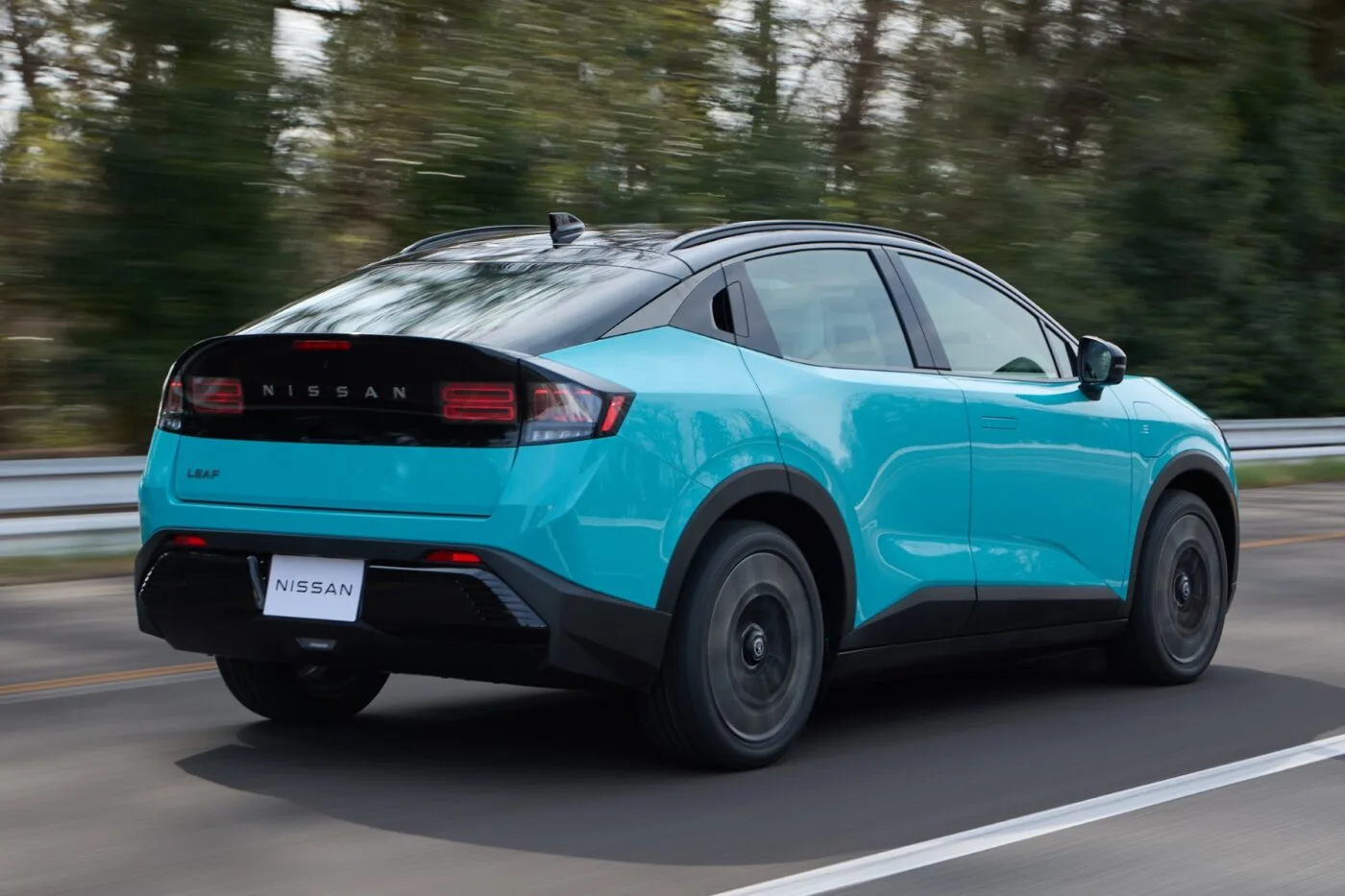
What Happened
- Production cut: Nissan is reducing production of the redesigned Leaf EV (3rd generation) by more than half for the period September through November 2025.
- Main cause: Battery supply shortfall. The batteries are coming from AESC (a partially owned affiliate of Nissan), but the yield or production output of battery packs has not met expectations.
- Location: An important site is the Tochigi plant in eastern Japan, which produces the new Leaf for Japan and the U.S. markets.
Why It Matters
- Leaf’s importance to Nissan: The new generation of Leaf is central to Nissan’s strategy to revitalize its EV business. The company has been suffering financially—posting substantial losses in recent years—and sees this model as a key part of its recovery.
- Timing & launch schedule: Even with the production cut, Nissan says the launch schedule is still on track: the new Leaf is expected in the U.S. this autumn (2025), in Japan by year’s end, and in Europe sometime in 2026.
- Scale of impact: “Several thousand fewer vehicles per month” at the Tochigi plant will be built in some months (especially September & October).
Underlying Issues
- Battery yield problems: There seems to be a discrepancy between what was expected from the battery supplier (AESC) and what is being delivered in usable battery packs. That means defective units, lower output, or slower ramp-up.
- Supply chain constraints: This is part of a broader issue across the EV industry: securing sufficient batteries, maintaining quality, scaling up production while keeping costs under control. Nissan is not alone in facing these challenges.
Implications
- Potential delay in deliveries: Customers and dealers may face delays or reduced availability of the new Leaf in affected markets during the autumn. Even if the model is launched, supply may be limited.
- Financial strain: Reduced output means less revenue; given Nissan’s losses in recent years, this adds pressure. The Leaf was supposed to help reverse the trend.
- Reputation & competitiveness: As many automakers are scaling up EV offerings, any production delays or supply issues could give rivals an advantage. Also, consumer patience is tested if availability is constrained.
What’s Next
- Fixing battery supply: Nissan and its battery partner will likely try to improve yields, reduce defects, ramp up capacity, or reallocate batteries from less critical uses.
- Monitoring launch roll-out: Since Nissan says the launch schedule remains unchanged, we’ll be watching whether they can maintain that promise. Any further slippage could cause more damage.
- Broader strategy adjustments: Nissan is already executing its “Re:Nissan” turnaround strategy under new leadership, which includes trimming workforce, consolidating factories, etc. The Leaf’s performance—both in design and supply—will be a test of how well this strategy works.