
In a fresh bid to stir excitement and give enthusiasts a head start, Renault has introduced an early-access initiative for its upcoming Twingo E-Tech Electric, called the “Twingo R Pass.”
Ahead of the car’s official public unveiling scheduled for 6 November 2025, this pass programme allows select customers to place orders earlier than the general public, with priority in production, delivery, and some exclusive perks.
What is the “Twingo R Pass”?
The R Pass acts as a “skip-the-line” or “first in line” ticket for the Twingo E-Tech. Its key features include:
- Advance ordering: Holders of the pass can place their orders ahead of the official order window for general buyers.
- Priority in production and delivery: Pass holders are promised preferential treatment in the manufacturing sequence and in delivery scheduling.
- Exclusive extras: In addition to priority status, the pass includes a few tokens of fandom, such as a 1:43 scale model of the new Twingo, a custom key cover, special invitations to Renault events, and priority for test drives.
- Fee & rebate: In Italy, the pass costs €100, though Renault says this amount will be deducted from the price when purchasing the car itself.
- Rollout schedule: The rollout is staggered across Europe. The programme started in Italy on 8 October 2025, and will expand to Belgium, Spain, the Netherlands, Germany, the UK, and France on dates between 13–22 October.
Because of the R Pass, Renault is aiming to build anticipation and create a sense of exclusivity among early adopters of the Twingo EV.
The New Twingo E-Tech: What to Expect
While full details will emerge at the November 6 unveiling, Renault has teased several design and performance hints.
Design & Styling
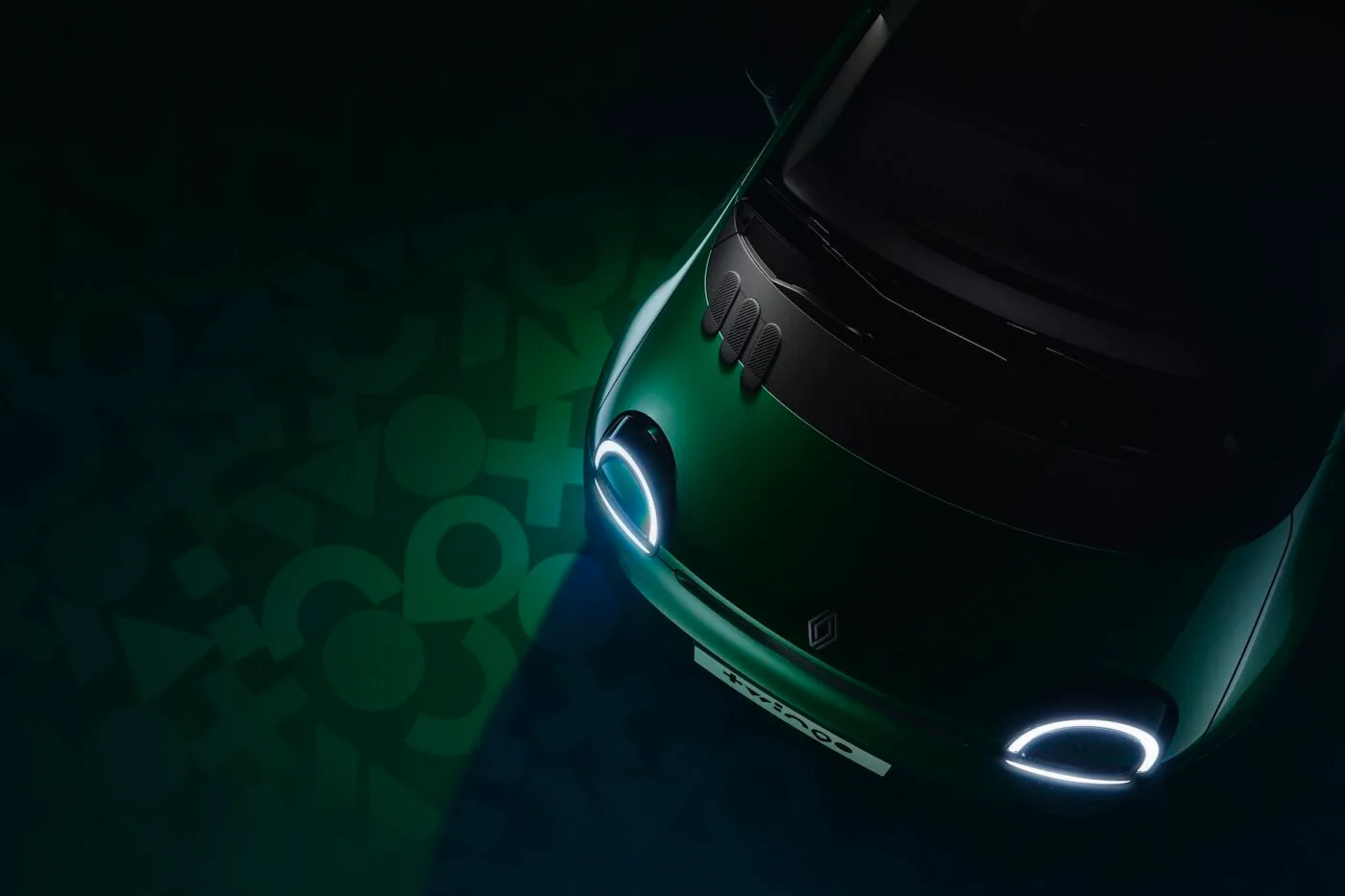
- The styling clearly leans into nostalgia: the design borrows key visual cues from the first-generation (1993) Twingo, such as its curved lines, compact “one-box” silhouette, and cheerful, friendly face.
- Round full-LED headlights, a “smiling” grille, and gloss-black finishes reinforce a playful personality.
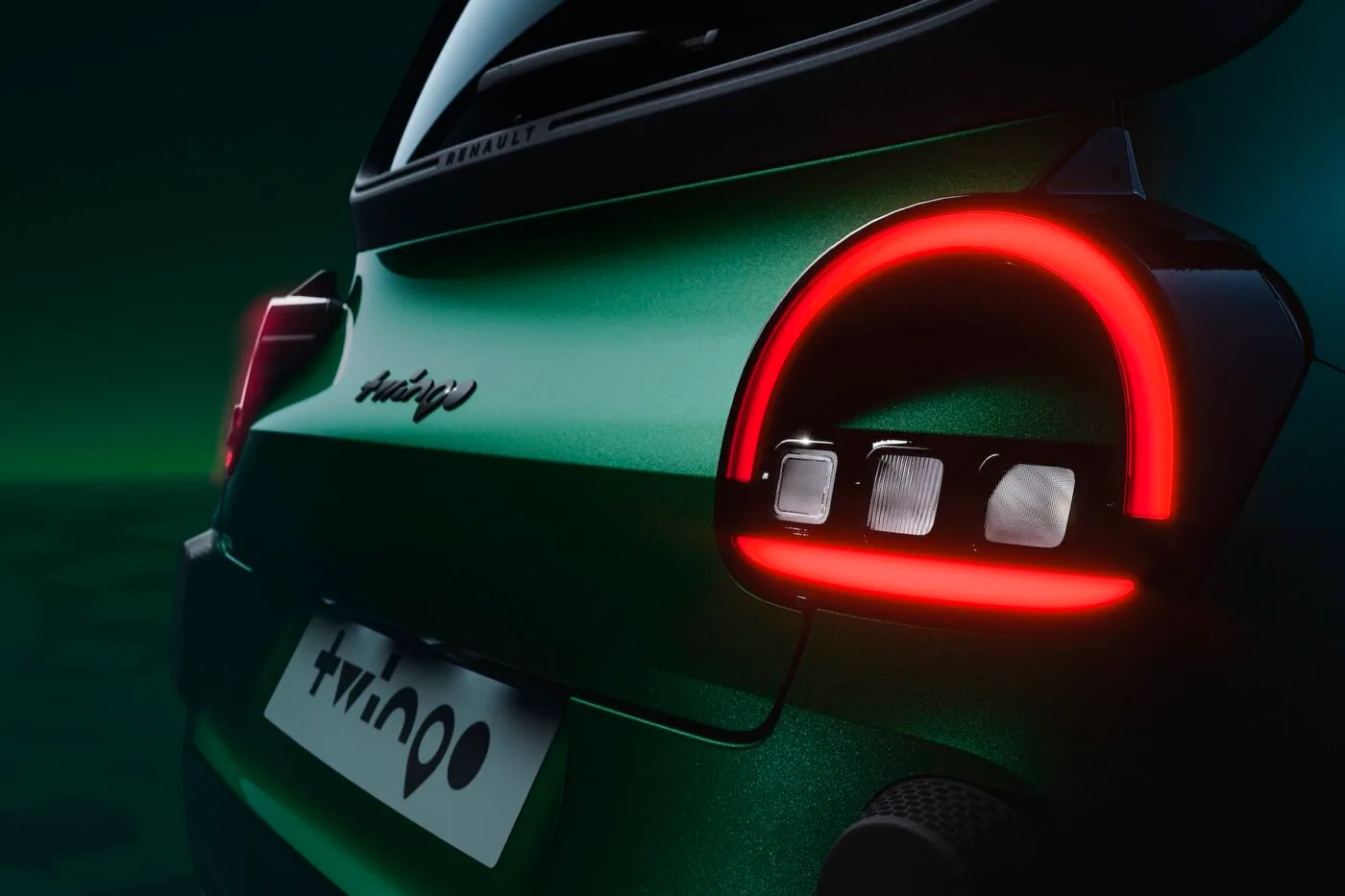
- At the rear, “half-moon” style taillights and a rounded rear window echo classic Twingo cues.
- Renault also emphasizes its “small on the outside, big on the inside” ethos: the compact external footprint conceals a modular, flexible interior and notably generous space.
Platform & Performance
- The vehicle is built on Renault’s AmpR Small platform (a dedicated EV architecture for compact vehicles), adapted for the Twingo.
- Renault claims rapid development: the Twingo E-Tech was developed in just two years.
- The target entry price is below €20,000, positioning it as one of the more affordable EV offerings in Europe.
- In Italy, Renault is advertising a promotional price as low as €9,900 for eligible buyers (first 700 orders, subject to subsidy and scrappage conditions) in conjunction with government incentives.
- Performance expectations (based on leaks and comparisons) include a driving range of up to around 250 km, low energy consumption, and robust usability as a city EV.
- Some media speculation (though not confirmed by Renault) suggests battery options in the 40 kWh to 52 kWh range, front-wheel drive, a single motor, and power outputs in the range of 94–128 hp depending on variant.
Strategic & Market Implications
The R Pass strategy and the push for an affordable Twingo EV reveal several key ambitions by Renault:
- Building hype & exclusivity
By giving early access to committed fans and buyers, Renault seeks to cultivate a dedicated, emotionally invested customer base. This approach also generates publicity and buzz ahead of the full launch. - Lower cost EV footprint
The effort to price the Twingo below €20,000 reflects the pressure European automakers face from aggressively priced Chinese imports in the EV space. Renault aims to show that compact, affordable EVs can still be styled, capable, and desirable. - Nostalgia meets modern EV strategy.
The revamped Twingo joins Renault’s evolving “retro-electric” family, alongside the Renault 4 and Renault 5 reboots. This positioning helps tap into emotional appeal while leveraging modern EV technology. - Testing supply & demand dynamics
By offering priority access and capping promotional pricing (e.g., the first 700 orders in Italy), Renault can better control production ramps, forecast demand, and manage inventory risk. - Competitive positioning
If Renault succeeds in delivering a well-priced, functional city EV with an appealing design, the Twingo E-Tech could become a strong competitor in Europe’s compact EV segment. It may pressure rivals to lower pricing or improve package value.
Challenges & Uncertainties
- Production & delivery delays: Prioritizing the R Pass buyers could cause discontent if general customers feel delayed or deprived.
- Margin pressure: Pricing aggressively low while equipping a modern EV is a thin margin play; cost control will be critical.
- Regulatory/subsidy dependence: Some of the lowest advertised pricing is dependent on subsidies and scrappage programs (as in the Italian case). These incentives may vary across markets, limiting the universal appeal.
- Competition & market expectations: Many automakers are launching new affordable EVs; the Twingo needs to deliver in real-world usability, range, charging, ecosystem support, and reliability.
- Scaling manufacturing: The AmpR Small platform must scale reliably without quality compromises, especially as volume increases.
Conclusion
Renault’s “Twingo R Pass” early access programme is a clever blend of marketing, demand shaping, and community building. By letting eager buyers jump the queue and offering perks, Renault aims to generate momentum and exclusivity for its new electric Twingo.
The Twingo E-Tech Electric itself is shaping up to be a compact, retro-inspired city EV built for maximum value, targeting a price under €20,000 and leveraging a modular design philosophy. Its success will depend on whether Renault can balance cost, quality, and customer expectations while navigating a competitive EV landscape.