
Below is a comprehensive deep dive into the implications of the federal EV tax credit repeal and what it means for the Slate Truck’s long‑hailed sub‑$20K price tag. This analysis includes perspectives from industry experts, consumer advocates, and EV policy analysts.
🚨 What happened?
In early July 2025, President Trump signed the so-called “Big Beautiful Bill,” a sweeping package that, among other provisions, eliminates the $7,500 federal tax credit for new electric vehicles (EVs), effective September 30, 2025. This tax credit, introduced under President Biden, was intended to reduce EV costs and boost adoption, particularly for domestically produced models.
For new EV buyers, that $7,500 incentive has been a major driver of affordability. With the credit gone, prices for many models—including some entry-level systems—are poised to climb, with manufacturers such as Slate Auto already signaling price increases.
⚡ Slate Truck: “Under $20K” no longer
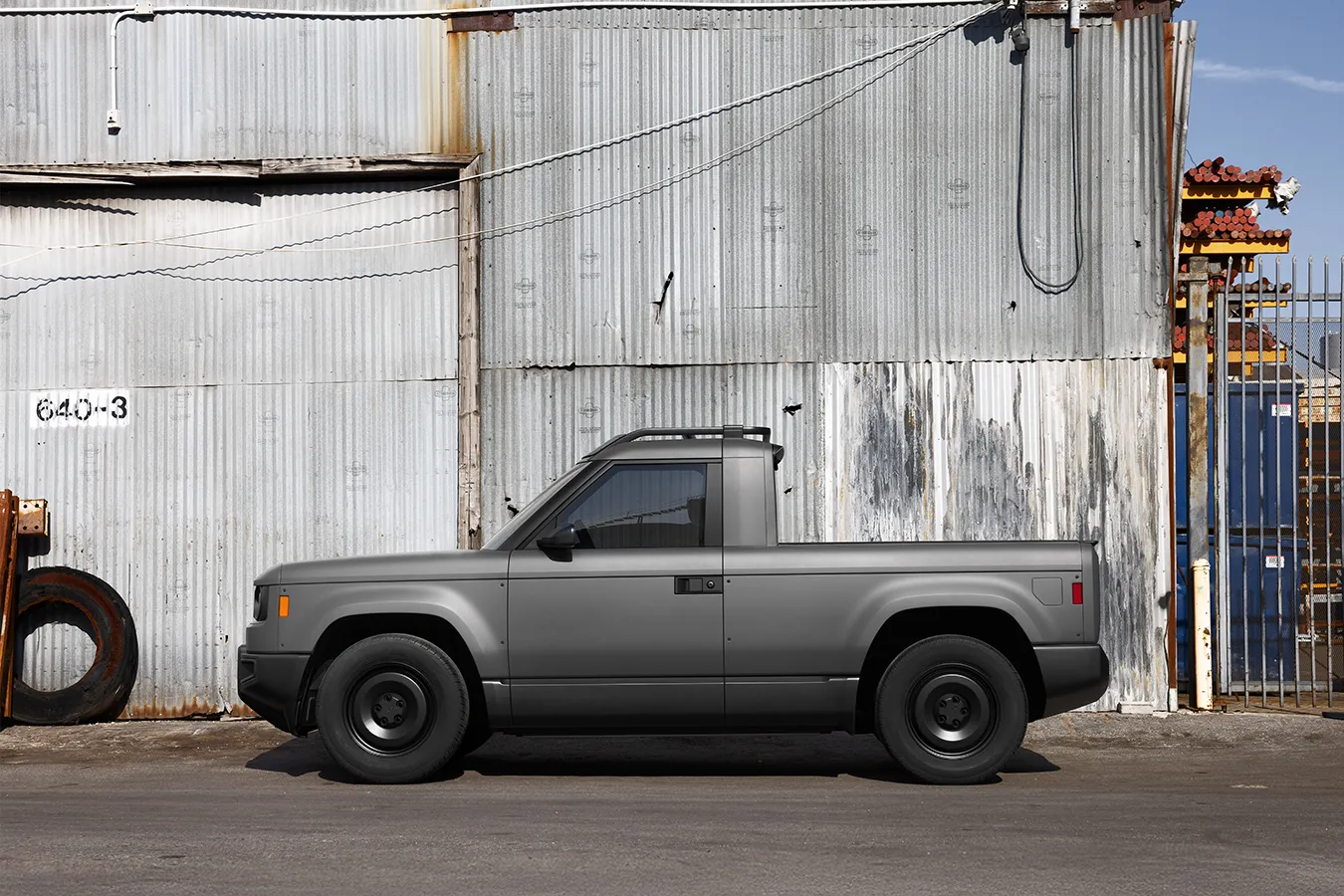
Slate Auto, the Jeff Bezos–backed startup behind the minimalist two-seat Slate Truck, initially marketed the truck as available for “under $20,000”—but this price was only achievable with the $7,500 credit.
Recent changes reflect a clear departure from that goal:
- Slate removed the “under $20K” claim from its website, now stating the expected base price is in the “mid‑twenties.”
- Multiple outlets confirm the new price range: approximately $25K–$27K before taxes and fees.
- TechCrunch noted the wording update last week, with Slate refraining from specifying the exact no-credit base price.
In short, what was once marketed as an unprecedented, affordable EV pickup is now entering the ring priced more like typical compact work trucks.
🔍 Why the change matters
1. From $19.5K to $27K — a major hit
Assuming the Slate Truck had a ~$27,000 MSRP, the $7,500 credit would have brought it down to about $19,500—still attractive compared to gas alternatives. Without it, customers face the full price.
2. Competing in a tougher segment
- At $27K pre-credit, it’s now only about $3K–$5K cheaper than models like the Ford Maverick Hybrid, which come loaded with dual seats, advanced infotainment, and automatics.
- The Maverick, even with similar features, is widely viewed as more polished and family‑friendly, with four doors and more comfort.
Slate’s “blank-slate,” no‑frills appeal now runs into a plain economic choice: a barebones EV vs. a better‑equipped, reliable hybrid.
3. Consumer psychology
Many early adopters were drawn by the idea of a brand-new EV pickup for less than $20K. That psychological barrier has been crossed, dampening what seemed to be a disruptive element in EV pricing.
🧩 Slate Truck specs and strategy
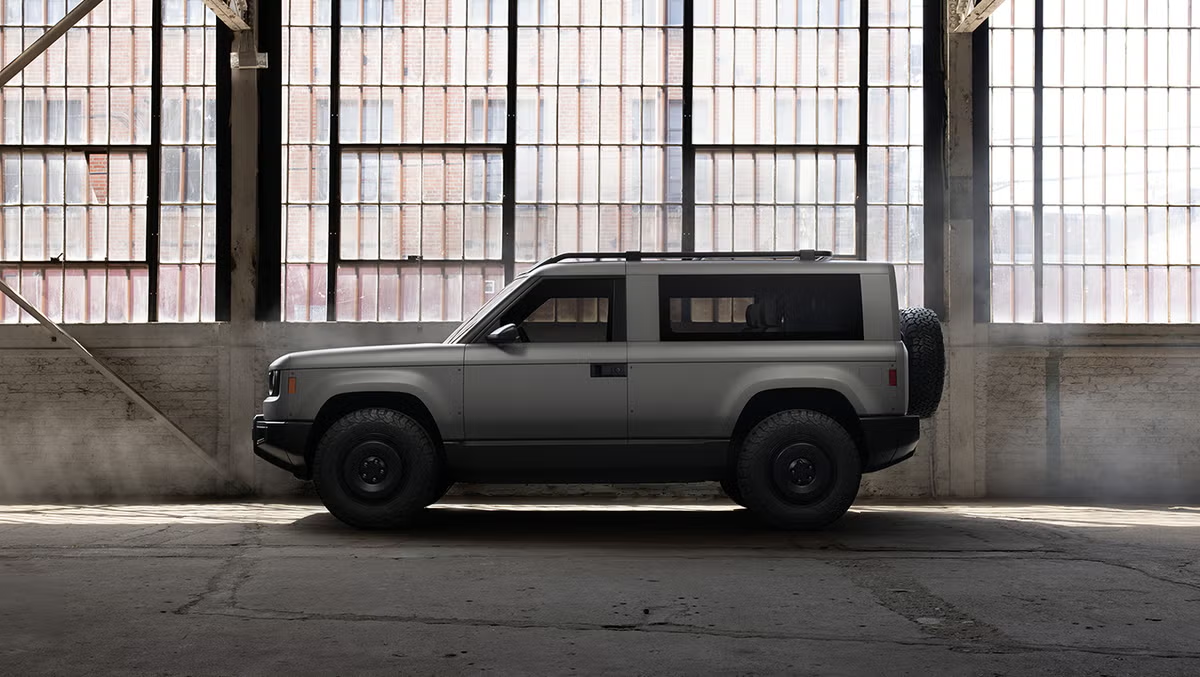
Despite the pricing hit, the Slate Truck retains key features that make it unique:
- Base MSRP: around $27.5K
- Configuration: rear-mounted 201 hp motor, 150 mi range standard or 240 mi optional with 84 kWh battery.
- Minimalist build: no touchscreen, crank windows, unpainted panels, simple chromed-over ride.
- DIY ethos: highly modular, Slate encourages owner-installed accessories and body wraps.
This strategy positions the Slate as a “functional,” no-frills contender for those prioritizing utility, ease of upgrades, and simplicity.
🏁 The broader EV landscape
Incentive realignment
The loss of the $7,500 federal EV credit hurts not just Slate, but dozens of EV models—including big names like the Tesla Model 3, Model Y, and Ford F‑150 Lightning, all of which qualified under new sourcing rules. Without incentives, consumer interest is likely to cool.
Purchase timing
Many analysts recommend buying now while credits remain available through September 30, 2025. Others suggest deferring purchases to let manufacturers adjust prices or introduce refreshed models.
Upstream effects
A Harvard-led study projects EV sales could drop 15% by 2030, and CO₂ emissions could rise by 20 million metric tons as incentives disappear.
🚧 Slate Auto’s challenges ahead
- Revised messaging
Transitioning from “under $20K” to “mid‑twenties” demands finesse. Slate must reframe its narrative around modularity, DIY appeal, and raw utility. - Value vs. competition
The truck must now stand on its own merits against competitors like the Maverick Hybrid or even used EVs, some vastly more polished at similar prices. - Target audience
Its core appeal—a budget EV truck for off‑grid or trade use—is a niche. Large portions of consumers still want creature comforts, convenience, and four doors. - Slack in delivery timing
📈 Outlook: Still a contender?
Potential positives:
- The Slate remains one of the least expensive EV pickups, even at ~$27K pre-credit, especially compared to heavy-duty or luxury EV trucks.
- Its modularity and DIY culture could engage enthusiasts and vocational buyers.
- Domestic production and a no-nonsense approach may appeal to makers and minimalist buyers.
Lingering risks:
- Broader consumer attraction may be limited if the vehicle lacks everyday usability.
- Customers delaying until 2026 might prefer better-equipped alternatives.
- Potential price undercutting or incentives from Ford, GM, or Tesla (e.g., leasing promotions, dealer credits) could overshadow Slate.
🔚 Final thoughts
The repeal of the federal EV tax credit marks a significant turning point—and a harsh one for disruptors like Slate.
- Without the $7,500 subsidy, Slate’s flagship pitch (sub‑$20K EV pickup) evaporates, replaced by a “mid‑twenties” price.
- The truck still offers unique value for those seeking simplicity, modularity, and affordability in an EV.
- But as an industry, automakers now face tougher pricing pressure and must rely on features, quality, and brand trust—areas where Slate has more ground to cover.
- The next 18 months will determine whether customers flock to the novelty of a no‑frills EV pick‑up or prefer more conventional but comfortable options.
📌 Bottom line
While the Slate Truck remains competitively priced among electric vehicles, the loss of the EV credit means it no longer meets its sub‑$20K promise—a headline claim that has now disappeared.