
Tesla’s much-anticipated entry into India marks a significant moment not just for Tesla but for India’s evolving automotive landscape.
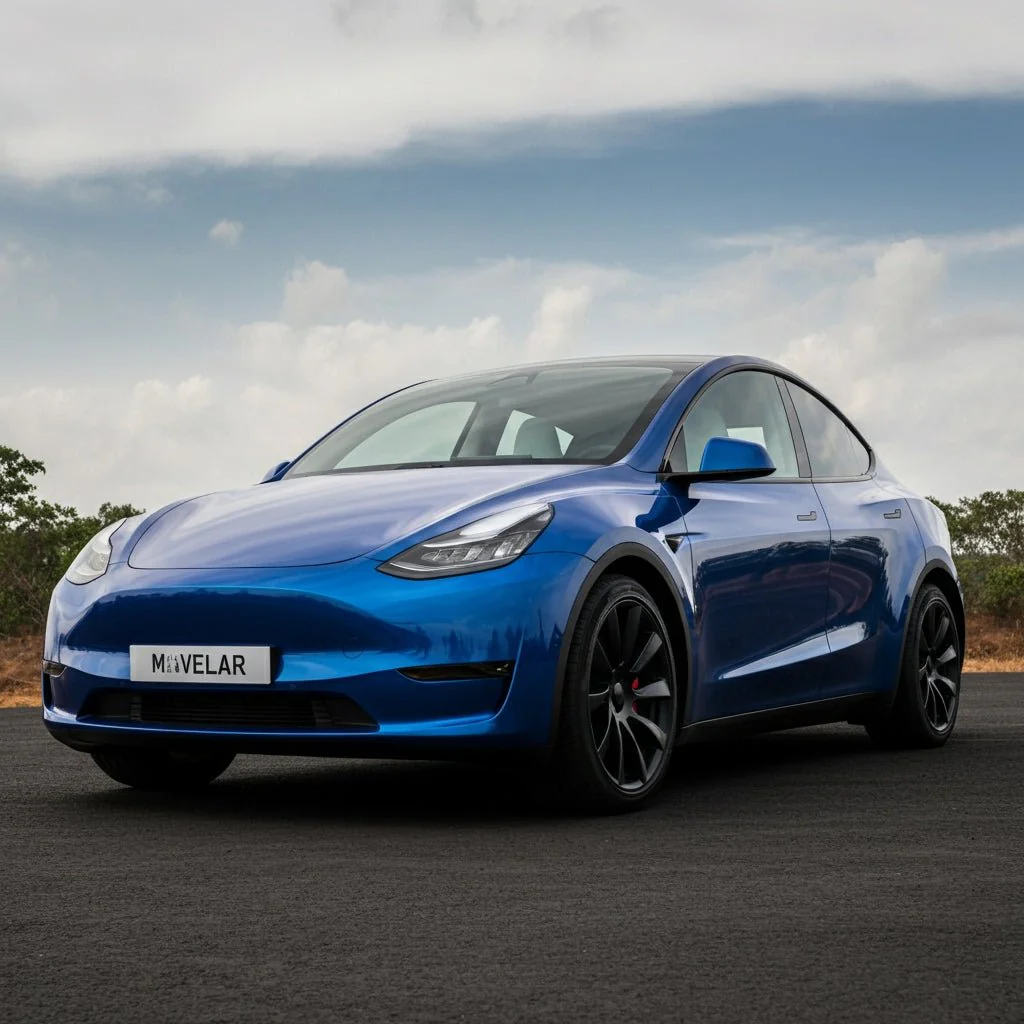
On July 15, 2025, Tesla officially launched the Model Y in India with a grand opening at its first showroom in Mumbai’s Bandra‑Kurla Complex, beginning howls and hails within the industry—and raising the red flag of cost as the key obstacle to mainstream adoption.
📍 What just happened?
- Showroom debut in Mumbai (BKC): Opened July 15, 2025, with a second location expected in Delhi soon.
- Model Y is the only car on offer: Tesla rolled out two variants—Rear-Wheel Drive (RWD) and Long‑Range RWD.
- Bookings are live with RWD deliveries slated for Q3 2025 and Long‑Range by October–December.
- Supercharger rollout promised: Four initial Supercharger stations to be installed in Mumbai and Delhi.
💰 The Pricing Challenge: A Taj Mahal Too Tall?
Price tags that shock
- Ex‑showroom prices: ₹59.89 lakh (≈ US$69,700) for RWD and ₹67.89 lakh (~ US$79,000) for Long‑Range. After on‑road costs, prices climb even higher.
- Global comparison: Base Model Y starts around US$44,990 in the U.S. That makes India’s price tag ~30–40% costlier.
- Why so high? India’s import duties on fully built EVs can exceed 100%; the final tariff package amounted to roughly 70% on Model Y imports.
The ripple effect
- Stratospheric price ceiling: At ₹60–70 lakh, the Model Y competes with luxury ICE and EV brands like BMW, Mercedes, Audi, Volvo, BYD, Tata, and MG in India.
- Luxury EV niche: India’s luxury car market is barely 1% of total sales, and luxury EVs are 4–5% of EV sales (~2% overall auto market). That puts Tesla in a niche market with limited volume potential.
- Affordability gap: The average Indian car costs under ₹20 lakh. A Model Y would price out the majority of buyers—a severe mismatch in affordability.
🌍 Policy Shift & Tesla’s Strategy
Import duties and negotiations
- Tariffs remain high, but India has floated incentives: EVs priced under US$35,000 may face as low as 15% duty—if the maker invests $500 million in local manufacturing within three years.
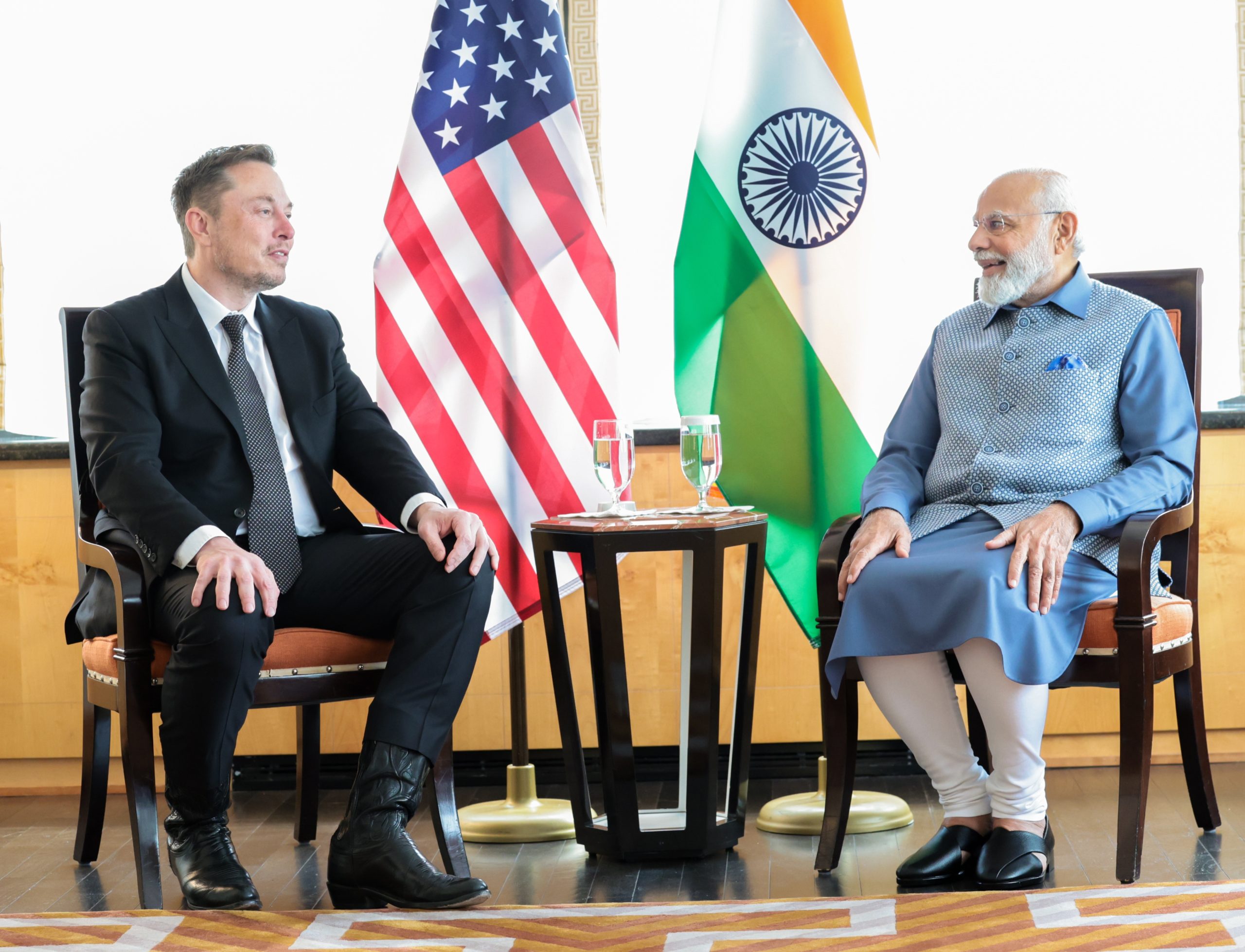
- Tesla’s hold‑out: The company appears unwilling to commit to local manufacturing without proving market demand first, echoing past dynamics in negotiations.
Local investment hopes
- Political encouragement
- Policy crossroads: India’s new EV policy offers a trade-off—pay high import taxes for now, or invest big to unlock massive import duty concessions.
Global dynamics
- US–India trade talks: Discussions around lowering EV tariffs are ongoing as part of broader trade negotiations.
- US political factor: Speculation that Trump’s return may stall aggressive US lobbying could dampen India discussions.
🚘 Market Reality—Tesla vs. Rivals
Competitive landscape
- Existing luxury EVs: BMW iX1, Mercedes EQA, Volvo EC40, Kia EV6, and BYD Sealion 7 are already available or launching soon.
- ICE Alternatives
- Indian brands: Tata and Mahindra are scaling EVs in the ₹15–30 lakh range for mass-market, tightening Tesla’s potential customer base.
Tesla’s trade-offs
- Brand prestige, cutting-edge features, Full‑Self-Driving (upgrade), spacious cabin, Superchargers—these offer strong differentiation.
- But zero local assembly, high prices, and still-developing charging infrastructure warn of limited volumes.
🔍 Why Pricing Could Make or Break Tesla
- Affordability is crucial
- Even for India’s upper middle class (₹25–40 lakh cars), Model Y remains far beyond reach.
- If tariffs stay, Model Y will be confined to a tiny segment of super-rich buyers.
- Markets scale with price parity
- Tommy Maxwell of VT Markets notes Tesla “currently too expensive for most Indian consumers.”
- Local sourcing + reduced duties = lower prices = improved volume potential.
- Delay risks vs speedy entry
- Tesla prioritized brand presence over local manufacturing—smart for visibility, risky for long-term cost control.
- Local plant = lower costs, but requires a huge investment and time.
- Infrastructure support is critical
- EV ecosystem in India is expanding, but currently limited—charging stations, service centers are scarce outside metros, and expensive cars need infrastructure accessibility.
🧭 What Does This Mean?
Short-term: Boutique brand
- Expect limited deliveries—luxury buyers in Mumbai, Delhi, and Gurugram.
- Tesla branding and media buzz are at play.
- But will volume ever matter? Probably not until the price comes down.
Medium‑term: Policy pivots
- If Tesla invests $500 million locally, import duties could drop substantially.
- Then, Model Y might approach ₹45–50 lakh pricing—still above the national average, but far more accessible.
- Policy will matter by 2026–2027.
Long‑Term: Potential scale
- If manufacturing happens, India could become Tesla’s export hub for South Asia.
- Component localization would multiply economic benefits.
- Stiff competition remains from local EVs under ₹30 lakh.
🏁 Bottom Line: Pricing Is the Keystone
Tesla’s arrival in India with the Model Y is historic, introducing luxury electric mobility and signaling ambition in a high-potential market. But pricing is the fulcrum that will determine if Tesla becomes a fleeting luxury novelty or a transformational player.
- At ₹60–70 lakh (US$70–80k), the Model Y will remain a rare, status-driven purchase, not a mainstream choice.
- Only bold steps—local manufacturing, tariff renegotiations, scalable production—can shift Tesla from a boutique presence to a competitive force.
- India’s EV future hinges on affordability, not prestige. If Tesla wants a meaningful slice, it must unburden its price tag.
Summary
Tesla enters India with flair and innovation, but the ₹60–70 lakh price poses a significant adoption barrier. Without local manufacturing and reduced import costs, it risks staying a niche luxury option. The next 12–18 months will reveal whether Tesla negotiates, invests, and localizes to unlock broader appeal or remains a boutique brand.