

Upcoming Hyundai SUV 2025 has been on a tear in the small-SUV space—tight footprints, tech-heavy cabins, and an increasingly electrified lineup.
If you’re shopping in late 2025 or planning a purchase in early 2026, these four upcoming or newly refreshed Hyundai compact SUVs are the ones to put on your shortlist. They span petrol and pure-electric, Asia and Europe/US markets, and everything from ultra-urban runabouts to family-size “compact” crossovers.
1) 2025 Hyundai Venue (Next-Gen)
Hyundai’s sub-4-metre bestseller gets its most comprehensive overhaul yet. Multiple Indian outlets have confirmed a major Venue update for October 24, 2025, with a fresh exterior, a fully redesigned cabin, and more active safety tech. Expect an all-new dashboard layout, larger screens, and a tier of features that nudges the Venue closer to the class above—think higher-resolution infotainment, improved connectivity, and available ADAS features.

Why it’s worth waiting for: the current Venue is already a package of compact practicality and city-friendly size. The upcoming redesign promises a more premium interior, stronger value tech, and a modern safety suite—exactly what shoppers in this price band keep asking for. If you’re venue-curious now, it’s smart to sit tight for the facelift: the new look and cabin alone could be decisive, and even if you buy the outgoing model, the arrival of the update may strengthen your bargaining position.
Who it suits: urban and suburban drivers who want an SUV stance without the bulk, plus first-time buyers stepping up from hatchbacks who value ownership cost and easy manoeuvrability.
2) Hyundai Creta Electric (2025)
Hyundai’s blockbuster Creta goes fully electric. The Creta Electric is now listed by Hyundai India, with home-charging and DC fast-charging details and a two-battery strategy highlighted. Independent spec pages and road tests indicate 42 kWh and 51.4 kWh packs, single-motor FWD, and headline figures up to a claimed 473 km (MIDC), with brisk 0–100 km/h times quoted under eight seconds for the long-range variant. The important bit: it brings EV refinement and low running costs to one of the most popular compact-SUV shapes on the market.
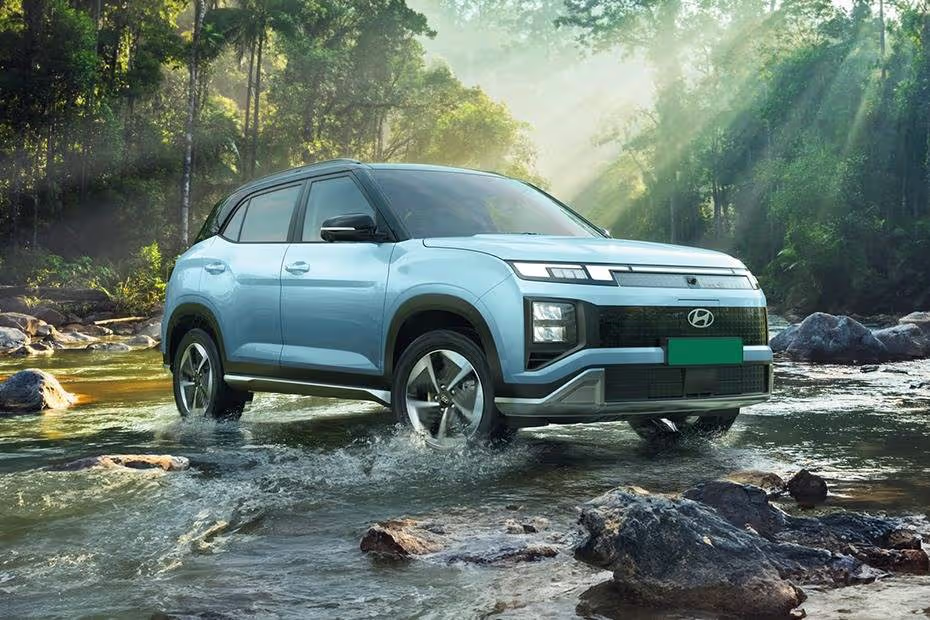
Why it’s worth waiting for: Creta’s footprint hits the sweet spot—larger and more family-friendly than micro-SUVs, but still city-compatible. The EV version leverages that familiarity with the smoothness and instant torque EVs are loved for. If you’ve been wary of smaller-battery city EVs, the Creta Electric’s larger pack options, mature feature set, and Hyundai’s service network make it a confident play.
Who it suits: families and commuters who want a roomy compact SUV with genuine EV range and mainstream ownership support—without jumping to mid-size EV prices.
3) Hyundai INSTER (All-Electric City SUV)
New name, new niche: INSTER is Hyundai’s fresh, ultra-compact electric crossover for Europe and Korea (think “city SUV” size). Official pages outline two battery choices—~42 kWh and ~49 kWh (Long Range)—vehicle-to-load (V2L) capability for powering gadgets, and up to ~229 miles / ~369 km WLTP range depending on configuration.
Independent EV databases peg the Long Range at around 300 km real-world mixed use, with 0–100 km/h in 10.6 s—respectable for a city-first EV.
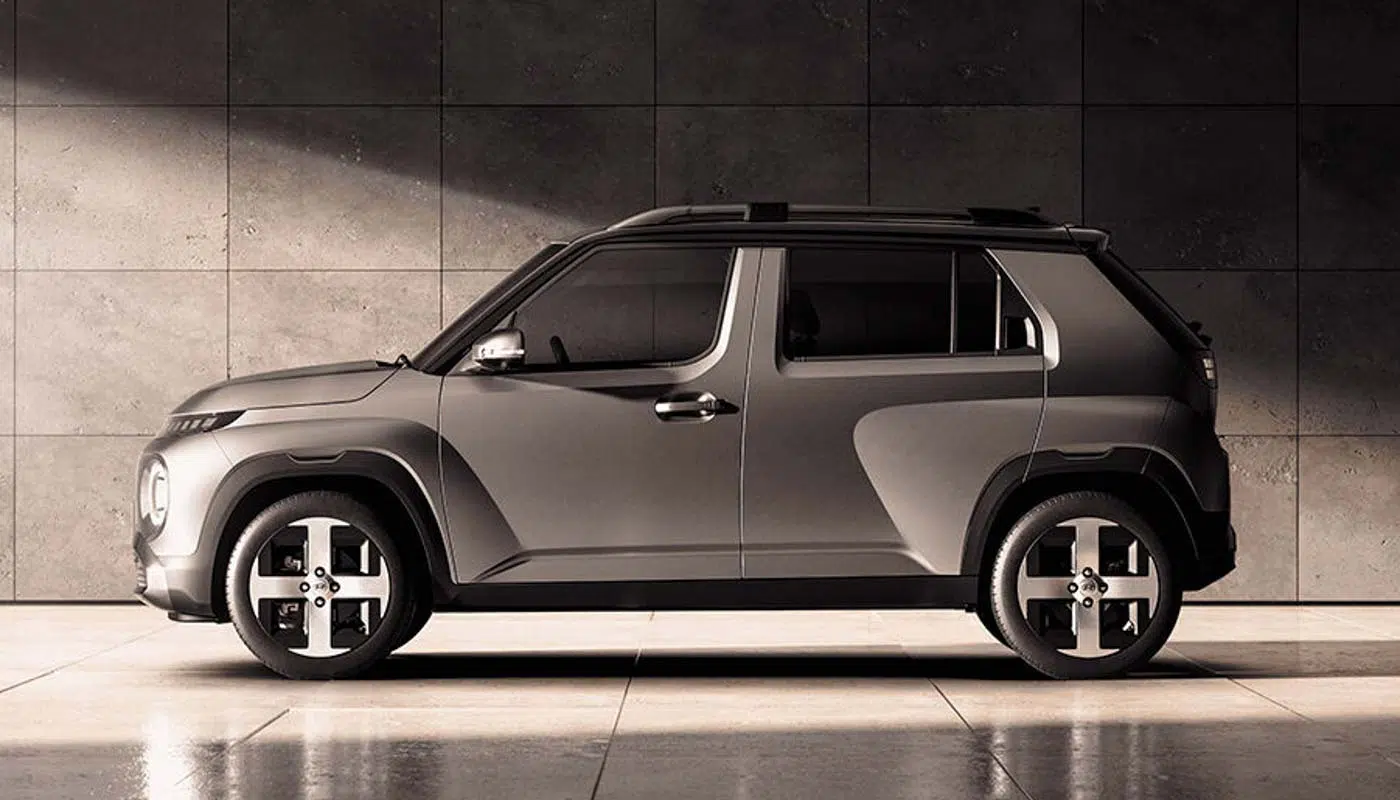
Why it’s worth waiting for: The INSTER edges beyond “city car” compromises. Range is genuinely usable, the cabin’s cleverly packaged, and V2L turns it into a portable power bank for weekend markets, camping kits, or work gear. With incentives in some regions, it’s also shaping up as one of the more attainable EV crossovers you can buy new—without feeling stripped out. Recent European coverage has even placed the INSTER among the more affordable BEVs worth attention.
Who it suits: urban drivers, downsizers, and early-EV adopters who prioritize small size, low running costs, and clever tech (V2L), yet don’t want to sacrifice crossover stance.
4) 2025 KONA Electric N Line
Hyundai’s second-generation KONA Electric was already a big step forward; for 2025, there’s now a sportier N Line trim in several markets. Official pages highlight dedicated 19-inch wheels, unique front and rear bumpers, side skirts, and the N-Line design pack inside—wrapping the KONA Electric’s quiet powertrain and generous tech in a sharper, more assertive look. In the US, Hyundai lists the 2025 KONA Electric with an EPA-estimated 261 miles of range; the N Line variant adds the visual drama many buyers want without compromising the EV serenity.
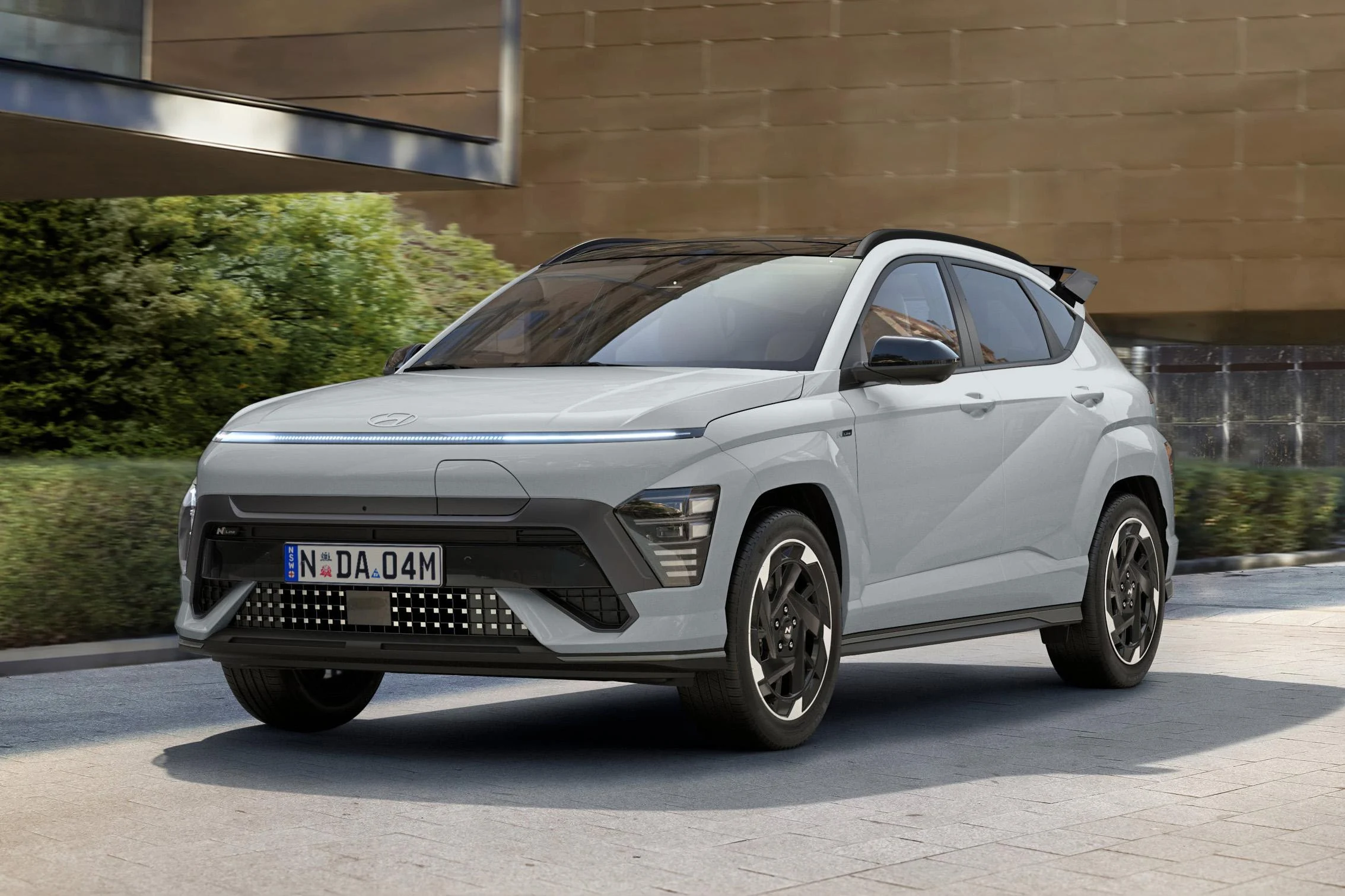
Why it’s worth waiting for: The KONA Electric sits in a global sweet spot—compact outside, livable inside—with a polished driver-assist suite and a modern cabin. The N Line treatment brings desirable curb appeal and a more premium feel at a friendlier price than performance “N” models, making it a savvy way to get an EV that looks special every day you walk up to it.
Who it suits: style-conscious buyers who want an EV that looks sporty but remains practical, efficient, and easy to park.
How To Choose Among Them
- City-centric & affordable EV: The INSTER gives you the smallest footprint with genuinely useful range and neat V2L trickery for life on the go. If your world is tight streets and short trips, this is the one to watch.
- Family-ready EV range & space: The Creta Electric brings EV smoothness to a body that already works for families. If charging access is sorted, it’s a compelling “first EV” that doesn’t feel like a compromise.
- Petrol, value, and latest safety tech: The 2025 Venue (new-gen) modernizes a proven formula. You get the budget friendliness and easy size of a sub-compact with a substantially nicer cabin and added ADAS.
- Sporty-looking EV with mainstream range: The KONA Electric N Line pairs everyday usability with head-turning styling—good if you want your compact EV to feel special without chasing outright performance.
Summary
Hyundai’s compact SUV bench is deeper than ever, but these four models stand out because they each sharpen a different edge: the Venue brings the big refresh and value. If you can time your purchase to coincide with their launches and regional arrivals, you’ll be stepping into some of the most balanced small SUVs Hyundai has built—each one with a clear, modern purpose.
Note: Availability, specifications, and trims vary by market; always check your local Hyundai site or dealer for final features, battery options, and delivery timing.