
Here’s a comprehensive breakdown on Tesla’s profit slipping below last year’s figure, with analysis, key trends, and FAQs:
📉 Q2 2025 Results at a Glance
- Net income dropped to $1.17 billion, down roughly 16% from $1.4 billion in Q2 2024.
- Revenue declined 12% year-over-year, at $22.5 billion versus about $25.5 billion last year.
- Automotive revenue alone fell by about 16%, hitting roughly $16.6 billion.
- Operating income plunged 42% to approximately $923 million.
📊 What’s Driving the Decline?
Weakening vehicle sales
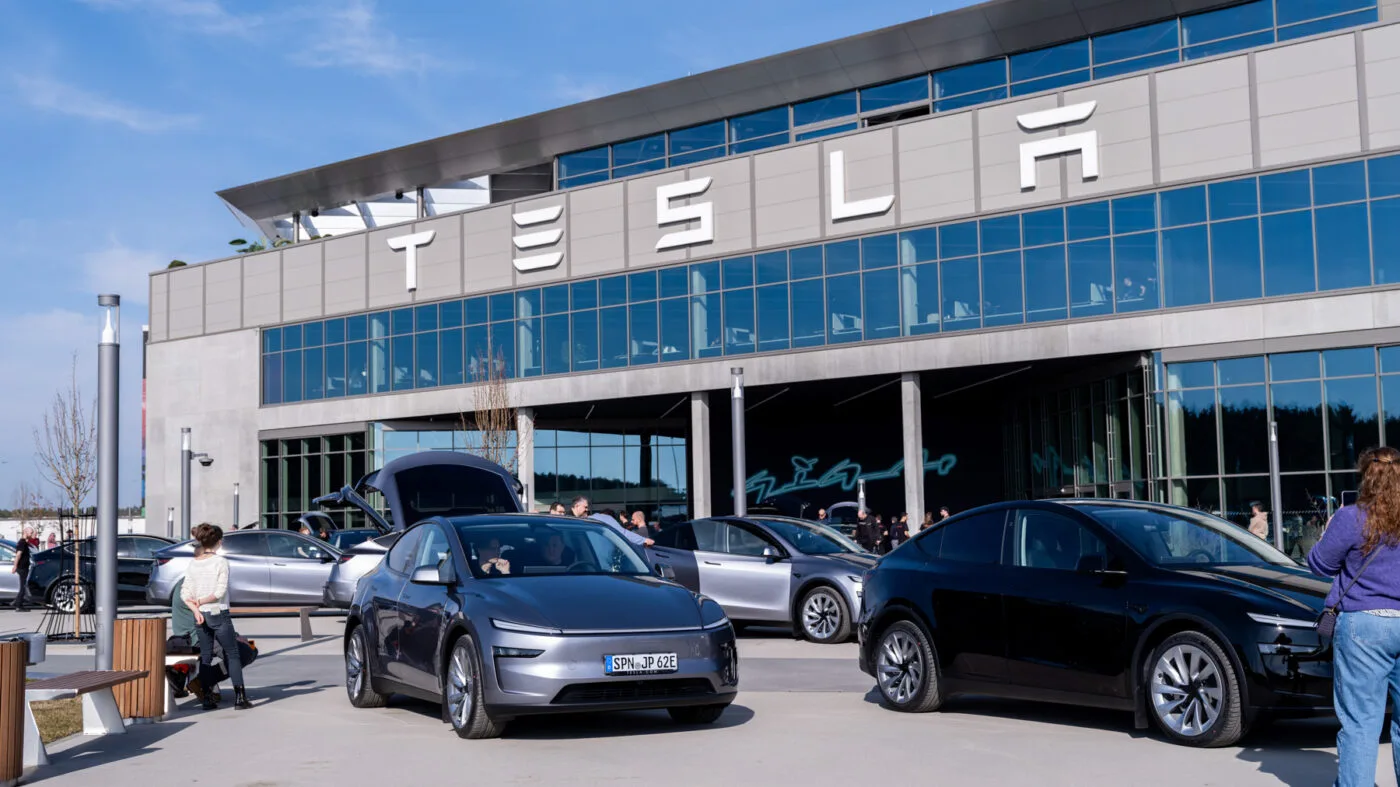
Tesla delivered 384,122 vehicles in Q2 2025—a 14% drop from ~444,000 in the same quarter last year.
Factors include:
- Stiffening competition, particularly from Chinese OEMs and traditional automakers.
- Political and reputational fallout tied to Elon Musk’s public political positions and controversies, which triggered boycotts and dampened demand—especially in Europe and certain U.S. markets.
Fading Regulatory Credits
Tesla earned just $439 million from carbon and emissions credits—roughly half of what they booked in Q2 2024. The reduced government incentives (e.g., Trump’s rollback of credits and US tax policy shifts) hit Tesla’s profitability hard.
Narrowing Margins & Rising Costs
Core automotive gross margin (without credits) remained around only 15%, half the peak from 2022. Higher tariffs—particularly on batteries and components—added $300 million in costs for the quarter.
Stabilization Signs & Strategic Shifts
Despite the squeeze, there are glimmers of stabilization:
- Energy storage (Megapack/Powerwall) and solar revenue fell just 7% year-over-year, but remained flat from Q1 2025, indicating steady demand.
- Service & other revenues grew 17%, reaching $3.05 billion, highlighting growth in maintenance, software, and charging services.
Pivoting to New Growth Avenues
Elon Musk outlined ambitious plans:
- Starting production mid-year on a stripped-down, more affordable version of the Model Y—a response to shrinking demand in the $25–35k segment.
- Scaling up a robotaxi pilot in Austin, with the intent to reach half of the U.S. population by late 2025.
- Moving forward with the Optimus 3 humanoid robot, targeting mass production by 2026 and up to one million units in five years (Indiatimes).
📌 Summarizing the Situation
Tesla’s Q2 2025 earnings reflect a turnaround from growth years:
| Metric | Q2 2024 | Q2 2025 | Change |
|---|---|---|---|
| Net income | $1.4B | $1.17B | –16% |
| Revenue | ≈$25.5B | $22.5B | –12% |
| Vehicle deliveries | ~444,000 | 384,122 | –14% |
| Operating income | — | $923M | –42% |
Contributing factors:
- Competitor-driven market share loss.
- Receding regulatory credit income.
- Rising input costs and diminishing margins.
- Brand impact from political controversies.
Counterpoints:
- Stabilizing non-auto revenues (energy, services).
- Reinvestment into affordability, autonomy, robotics—though near-term returns could lag.
Analysts term conditions ahead as “rough quarters”, yet acknowledge Tesla’s pivot toward next-gen technology might reshape its future trajectory.
🔍 What This Means for Tesla
- Investor Sentiment: Stocks dropped ~3–4% post-earnings; technical analysts are eyeing support levels between $225–$292.
- Cost Discipline: With profits compressed, Tesla may sharpen cost controls and inventory optimization.
- Product Roadmap: Cheaper Model Y rollout becomes critical. Success could boost volume and margins.
- Next-gen Ventures: Robotaxis and Optimus hold huge long-term promise—but profitability from these remains speculative near term.
- Policy Sensitivity: Future global net incomes will be tightly tied to regulatory incentives and trade dynamics.
Frequently Asked Questions (FAQs)
Why is Tesla’s profit lower this quarter compared to a year ago?
Multiple factors combined:
- Lower vehicle deliveries—down ~14%, due to rising competition and reputational headwinds.
- Regulatory credits halved, shrinking a key profit lever.
- Increased tariffs and softening margins, particularly in auto sales.
Is this just a temporary dip or a longer-term decline?
This marks the second consecutive down quarter, but Tesla highlights signs of stabilization in services and energy divisions. The upcoming affordable Model Y, robotaxi rollout, and Optimus further signal that Tesla is reshaping for renewed growth, though results may take time.
How much did regulatory credits contribute to Tesla’s earnings?
In Q2 2024, Tesla enjoyed roughly $878 million in credits. This year, that dropped to $439 million—a sharp reduction impacting net and operating income notably.
What economic headwinds are affecting Tesla right now?
Key headwinds include:
- U.S. tariff increases (impacting battery imports by ~$300 million in Q2).
- Policy rollback on EV incentives.
- Currency fluctuations.
- Increased pricing pressure from competitors, especially in China and Europe.
What’s the outlook on Tesla’s stock?
Following the earnings release, Tesla shares fell 3–4% in extended trading. Market watchers point to support zones at $225, $265, and $292. Long-term performance will likely hinge on Tesla delivering on its lower-cost vehicle and autonomous platform plans.
Can Tesla overcome these challenges?
Yes—but it depends on:
- Scaling a hit lower-cost EV to regain volume and affordability appeal.
- Expanding services and energy business to offset auto declines.
- Monetizing robotaxis/Optimus effectively—a high-risk, high-reward bet.
- Managing margins efficiently amid increasing macro and political pressures.
How important is the cheaper Model Y to Tesla’s recovery?
Extremely. Tesla confirmed the production of a stripped-down Model Y in June, with volume ramp-up planned in H2 2025. Once broadly available, it can provide a much-needed price-accessible option and regain competitive volume.
What are the risks with Tesla’s pivot to robotaxis and robots?
These ventures are in an early stage, with regulatory, technical, and safety hurdles. Even if successful, returns are several years away. In the meantime, Tesla must continue investing heavily and maintain its core automotive business.
How has Elon Musk’s political positioning impacted Tesla?
Musk’s alignment with Trump-era policies and controversial remarks reportedly triggered consumer backlash and boycotts, especially in Europe. This reputational damage coincided with a marked drop in deliveries and pricing power in those regions.
What should investors monitor over the next few quarters?
Watch for:
- Launch and uptake of the affordable Model Y.
- Progress on EV incentives and tariff exposures.
- Demand and margins in global automotive segments.
- Growth in robotaxi pilots & robotics initiatives.
- Continued performance in energy and services.
✅ Final Take
Tesla’s Q2 2025 results reveal a company at a critical pivot point:
- Short-term, it’s enduring profit pressure from softer sales, shrinking credits, and margin erosion.
- Mid-to-long-term, the shift toward affordability (new Model Y), autonomy (robotaxis), and robotics (Optimus) may re-energize growth—but execution must be flawless.
Tesla isn’t in crisis, but faces a challenging transition. The company must scale new models and services quickly to offset core auto softness. Investors and analysts are giving Tesla time—but without measured progress soon, this could be more than a temporary profit plateau.